30 arrests, 4 charges: how a protest crowd ends up in the system
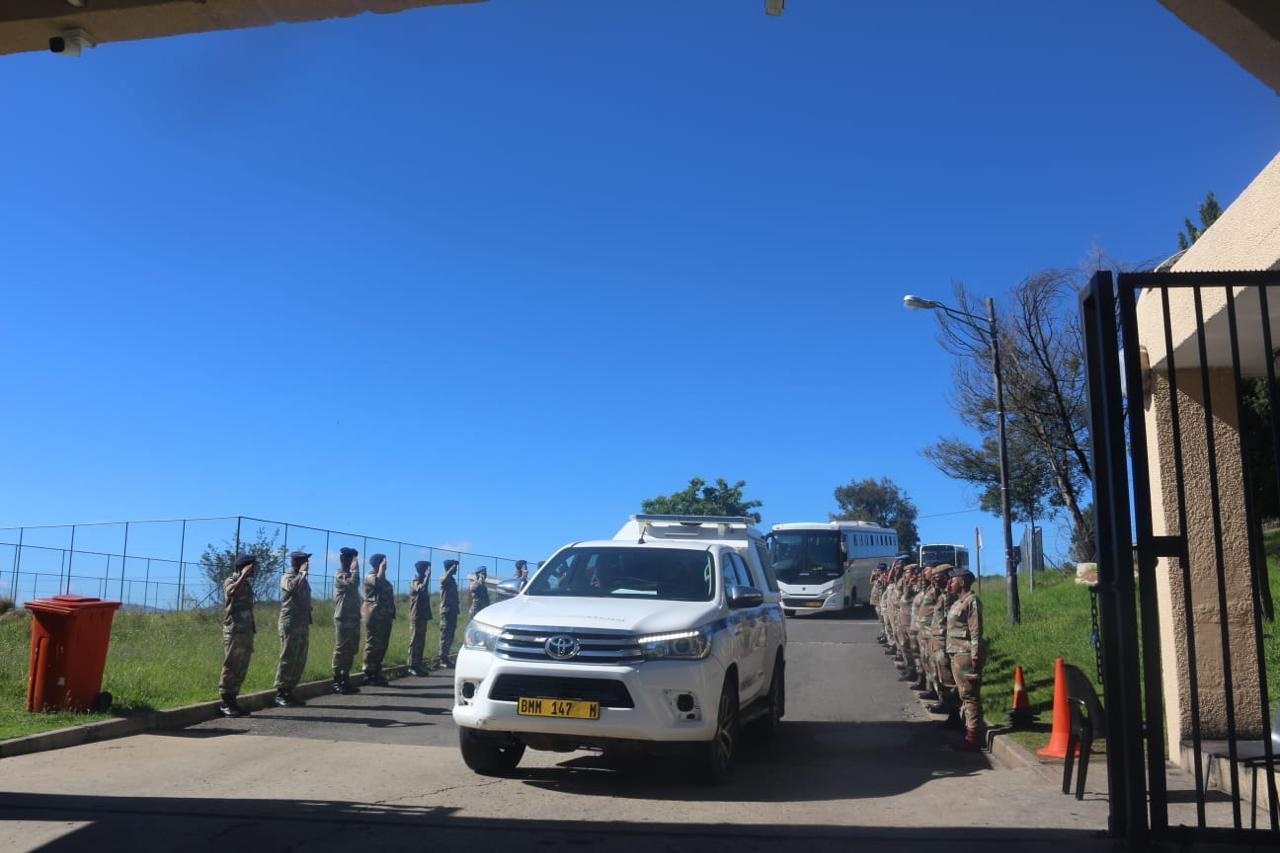
NATJOINTS has kept deployments in place at Durban and Johannesburg hotspots after this week's protests. Here is what actually happens between a march, an arrest and a court date.
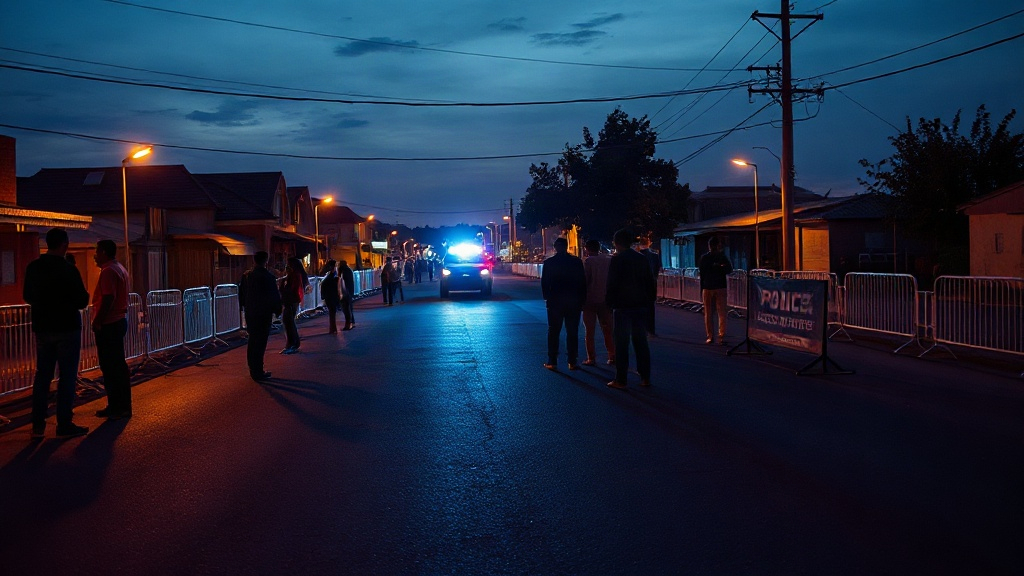
Thirty people are in the system this week. Twenty-five were arrested in KwaZulu-Natal and five in Gauteng, after protests in the Durban CBD, Soweto and Johannesburg. The charges named by the National Joint Operational and Intelligence Structure are public violence, illegal gathering, obstruction and resisting arrest.
That is the outcome. The mechanism behind it is worth understanding, because the distance between a person standing in a street and a person appearing in a dock is covered by rules most South Africans have never had explained to them.
Start with who NATJOINTS is. It is not a police station and it is not a unit that makes arrests. It is the standing coordination structure that brings the police, the metro police and the intelligence services into one room when a situation is judged to need a national or provincial response rather than a local one. When it briefs the media that heightened deployments will remain in place at hotspots, it is telling the public where the state has decided to concentrate people and vehicles. It is a decision about where police stand, not a finding about who did what.
That distinction matters, because the four charges do not come from the same place in law.
Public violence is a common law crime. It is not the same thing as being present at a protest, and it is not the same thing as a protest being loud or disruptive. It requires conduct that involves a serious disturbance of the public peace by a group, and it is the charge prosecutors reach for when they say the crowd as a whole crossed a line. Illegal gathering comes from the Regulation of Gatherings Act. That law sets out what a gathering is, who must be notified in advance, and what happens when a gathering is not notified or when its conditions are breached. Obstruction and resisting arrest are the two charges that most often attach to an individual rather than a crowd, because they describe what a specific person did when a specific officer tried to do something.
A reader watching a single broadcast can easily hear those four as one thing. They are not one thing, and they do not carry the same consequences.
The next mechanism is bail. An arrested person must be brought before a court as soon as reasonably possible, and in practice that means the next court day. At that first appearance a magistrate decides whether the person is released on bail, released on warning, or held. For a first offender facing these charges with no aggravating features, release is common. That is not a softness in the system. It is the system working the way it is designed to, because bail is about whether a person will come back to court, not about whether the state is annoyed with them.
What a person at the counter faces is more mundane than any of the politics around them. They face a case number, a court date, a legal representative they may or may not have, and a criminal record that follows them into job applications if the case ends in a conviction. The state has to prove its case on each charge separately. A crowd being present in a street does not prove that a particular person committed public violence. An officer’s account of an arrest does not by itself prove obstruction. Those are questions for a court, and they are decided one accused at a time.
The state can also withdraw charges. That happens regularly in protest cases, often because the evidence does not attach to a named person. A withdrawal is not a finding of innocence. It is the state deciding not to proceed on the docket it has.
As SABC News reported on 10 October, NATJOINTS said the deployments would remain in place at the hotspots in Durban and Johannesburg. That is the live operational fact this week, and it is the one that will determine whether the count of 30 moves.
The gap a South African reader should notice is not between one broadcast and another. It is between the arrest count and the court roll. Thirty is the number the public hears. The number that matters over the next few months is how many of those thirty appear, how many are released, how many charges are withdrawn, and how many end in a conviction. That is the record that tells you whether the enforcement was targeted or whether it was a sweep. Nobody has published that number yet, because the cases have not run.
Until they do, the deployment stays where it is, the dockets sit with the prosecutors, and the people arrested this week begin the part of the process that never makes a briefing.