30 arrests, 25 in KZN: how NATJOINTS works and what happens after a protest arrest
The national structure that coordinates police deployments across provinces is the same one that decides where officers stand and how long they stay, and it is now the centre of the Durban and Johannesburg enforcement story.
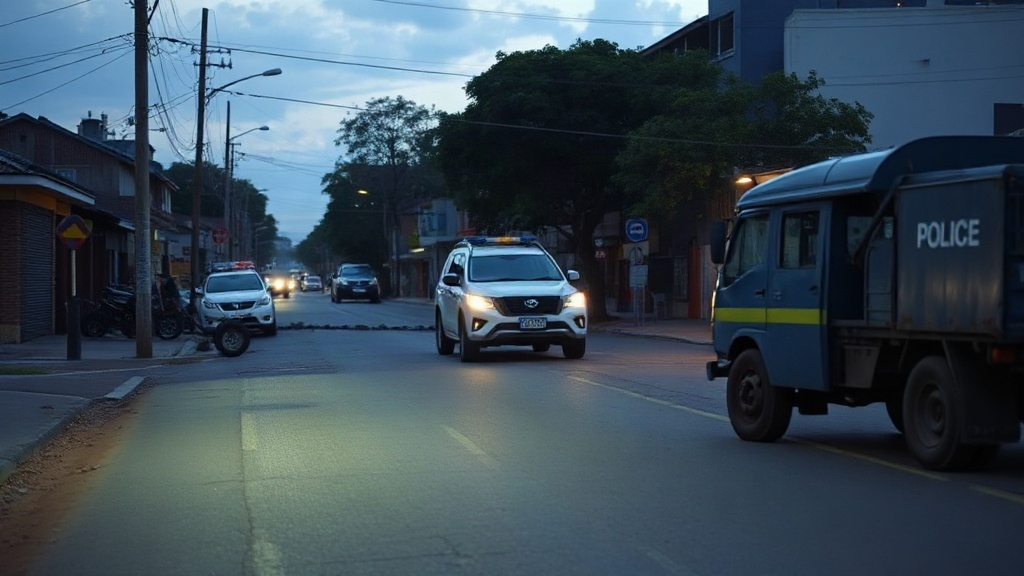
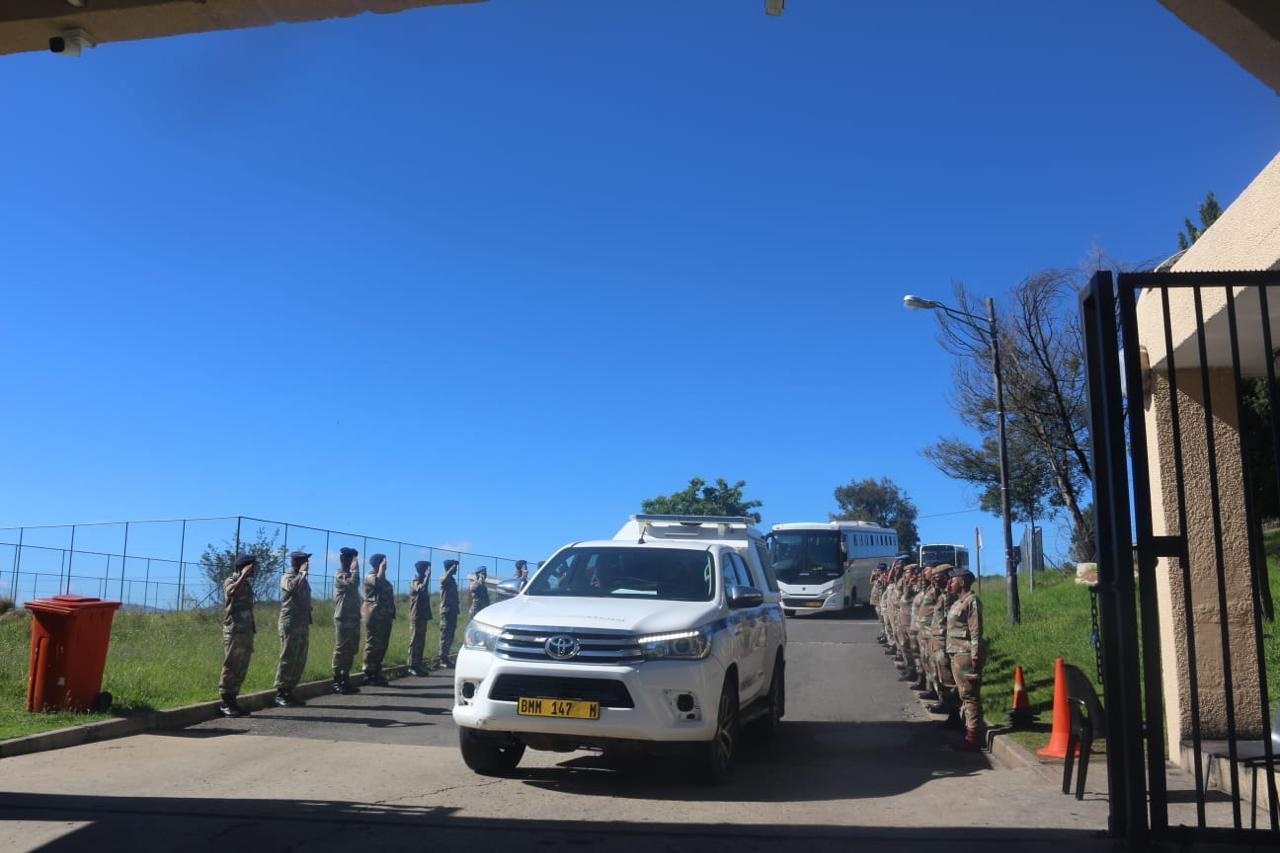
Thirty people have been arrested after this week’s protests in the Durban CBD, Soweto and Johannesburg, 25 in KwaZulu-Natal and five in Gauteng. The National Joint Operational and Intelligence Structure says heightened police deployments will stay in place at hotspots in Durban and Johannesburg. SABC News reported the briefing on 10 October.
That is the event. What follows is how the machinery behind it actually works, because the name in the middle of this story is one most South Africans have never had explained to them.
NATJOINTS is not a police station and it is not a single unit. It is the standing structure through which the South African Police Service coordinates with the rest of the state when an operation crosses provincial borders, involves more than one department, or carries a national security dimension. Its composition is what the name says. It brings together the police, the intelligence community, the metro police services, the defence force where relevant, and the government departments whose work is affected by whatever is being policed. When a deployment is described as national, this is the table at which that decision is taken.
For a reader in Durban or Soweto, the practical effect is this. The decision to keep officers in a hotspot, and for how long, is not taken by a single station commander acting alone. It is taken at a provincial and national level, and it is reviewed as the situation changes. That is why a deployment can remain in place after a flashpoint has quietened, and why it can be lifted without a local announcement.
The arrests themselves fall into a different process. The offences named in the briefing are public violence, illegal gathering, obstruction and resisting arrest. Those are the counts the state has attached to the people taken into custody, and each one has to be tested in court on its own facts. An arrest is not a finding. A person arrested is a person accused, and the state carries the burden of proving the case against them.
What happens next for someone arrested at a gathering is ordinary criminal procedure. They appear before a court, normally within 48 hours, where bail is considered and the matter is either postponed for further investigation or placed on the roll. The National Prosecuting Authority decides whether to prosecute. If the case proceeds, it is heard in a magistrate’s court unless the charge is serious enough to be referred to a regional court. A person who cannot afford a private attorney is entitled to apply for legal aid, and the state is obliged to provide it.
That is the part of the process a reader at the counter is entitled to know, and it does not depend on which side of the protest they were on.
The briefing’s framing is that criminality will not be tolerated. That is a statement of the state’s position, and it is accurate as a statement of position. What it does not do is explain what the protests were about, and that omission matters for a South African reader. The demonstrations were against undocumented immigration, and the people who marched did so with demands about enforcement, about the load on services and about what they see happening in their own areas. A briefing that reports the arrests without the reason people were on the street leaves the reader with the second half of the story.
The numbers tell their own part of it. Twenty-five of the 30 arrests were in KwaZulu-Natal, which is where the Durban CBD flashpoint was. Five were in Gauteng, covering Soweto and Johannesburg. That distribution is a factual record of where the state directed its response, and it is the kind of detail a reader can use to judge whether the deployment matched the geography of what happened.
NATJOINTS has said the deployments remain. It has not said when they will end. That is the open question for residents in the affected areas, and it is the one the structure is best placed to answer.