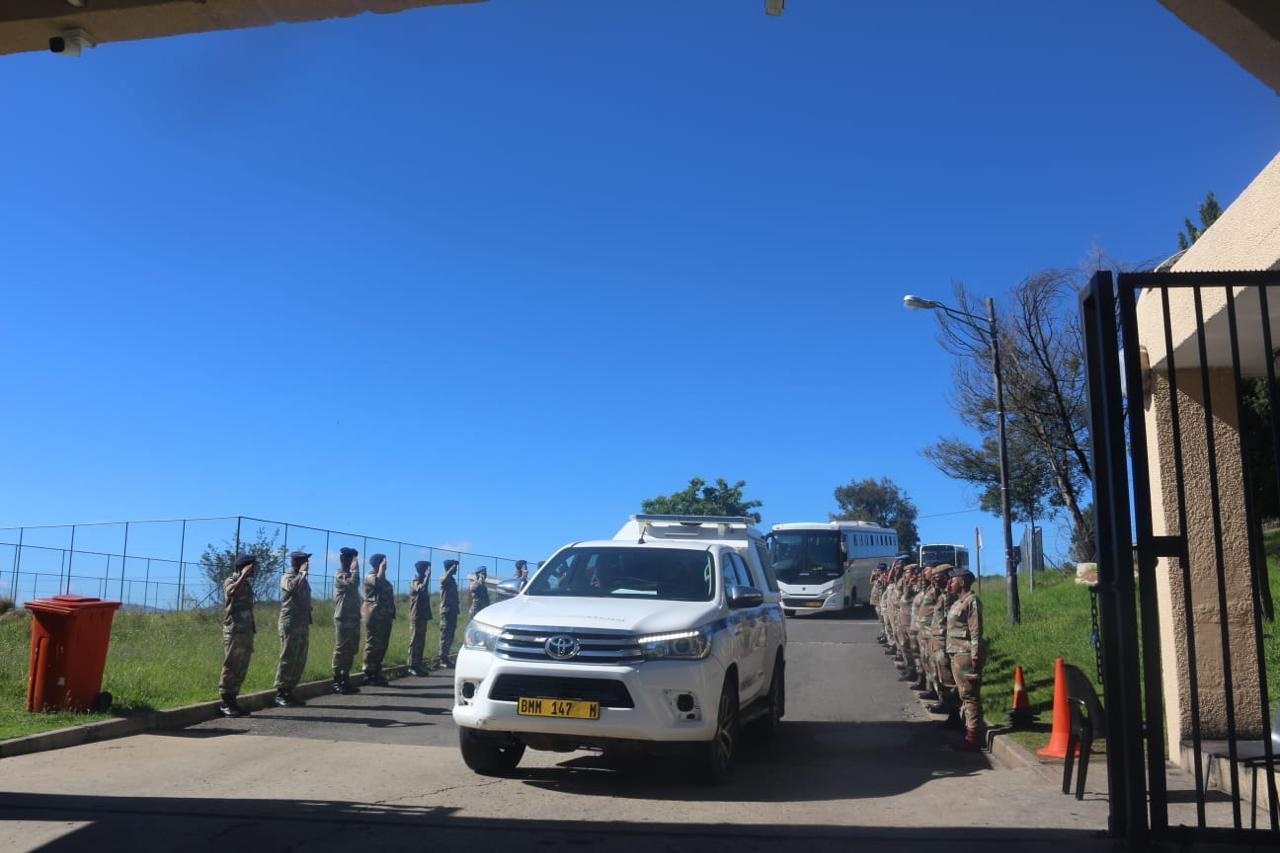
30 arrests, 25 in KwaZulu-Natal: Durban and Soweto stay under police deployment after immigration protests
NATJOINTS says heightened deployments remain at hotspots in Durban and Johannesburg after a week in which residents in the Durban CBD, Soweto and Johannesburg took to the streets over undocumented immigration.

Thirty people have been arrested after a week in which residents in the Durban CBD, Soweto and Johannesburg took to the streets over undocumented immigration. Twenty-five of those arrests were in KwaZulu-Natal and five in Gauteng, on counts that include public violence, illegal gathering, obstruction and resisting arrest.
The National Joint Operational and Intelligence Structure, NATJOINTS, says heightened police deployments will stay in place at hotspots in Durban and Johannesburg. That is the state’s answer. The question it is answering is the one South Africans have been putting to it in the streets: what is being done about the load that undocumented immigration places on their neighbourhoods, their trading areas and their police stations.
The residents who marched are not a footnote to this story. They are the reason the deployments exist. People in the Durban CBD, in Soweto and in Johannesburg went out because they say the pressure on their areas has gone past what they can carry, and they want enforcement they can see. That demand is the live political fact of the week, and it is the thing the state has had to respond to.
What the public is asking for is specific. Visible policing in the areas where they live and trade. Action on people who are in the country without permission. And a government that answers the question rather than restating the law. South Africans watching the week’s events will want to know what changed on the ground, who may remain, who may be removed, and what the state can actually enforce. Those are the enforcement questions this paper puts to the authorities, and they are the questions the deployments do not by themselves answer.
The numbers are the clearest thing NATJOINTS has put on the record. Thirty arrests, split 25 and five between the two provinces, on four categories of charge. An arrest is the beginning of a case and not a finding. No person named in this story has been convicted of anything, and the counts listed are the counts on which people were held.
As SABC News reported on 10 October, NATJOINTS said criminality will not be tolerated and that the heightened deployments remain in place at hotspots in Durban and Johannesburg. That reporting is accurate on what it covers, and it is where the arrest figures come from.
What a South African reader needs alongside it is the context the summary leaves out. NATJOINTS is not a police station and not a single unit. It is the standing structure that coordinates the police, the metro departments, the intelligence services and other arms of the state when an operation spans more than one force or more than one province. When NATJOINTS speaks, it is speaking for a joint command, and when it says deployments remain, it means resources have been committed across provincial and municipal lines. That is why the announcement matters beyond the two provinces named. It is a national structure holding a national posture.
The geography matters too. Durban and Johannesburg are the country’s two largest economic centres, and the areas named are places where people live, work and trade in dense proximity. A deployment in the Durban CBD is felt by commuters, by traders and by everyone who uses the transport corridors through the city. A deployment in Soweto is felt in the streets where residents say the pressure has been building. The public will judge this week not by the size of the operation on paper but by what they see on their own street.
It is worth being plain about what this week has and has not settled. It has settled that South Africans are willing to take their enforcement demands into the street, and that the state has answered with a joint deployment and a set of arrests. It has not settled the underlying question, which is whether the enforcement the public is asking for will arrive in a form they can see and measure. Arrest counts are not that answer. A deployment order is not that answer either, until residents can say what changed where they live.
This paper will keep reporting the enforcement question as it develops: what the deployments produce on the ground, how the cases against the 30 proceed, and what the residents of the affected areas say has actually changed for them. Where the state has figures, we will put them on the record with their source. Where residents tell us what they are living through, that goes in the same story, because on this beat the condition people are describing and the official account of it are both part of the reporting.