30 arrested as police hold Durban and Joburg hotspots after anti-immigration protests
NATJOINTS says heightened deployments will stay in place in the Durban CBD, Soweto and Johannesburg after this week's demonstrations against undocumented immigration.
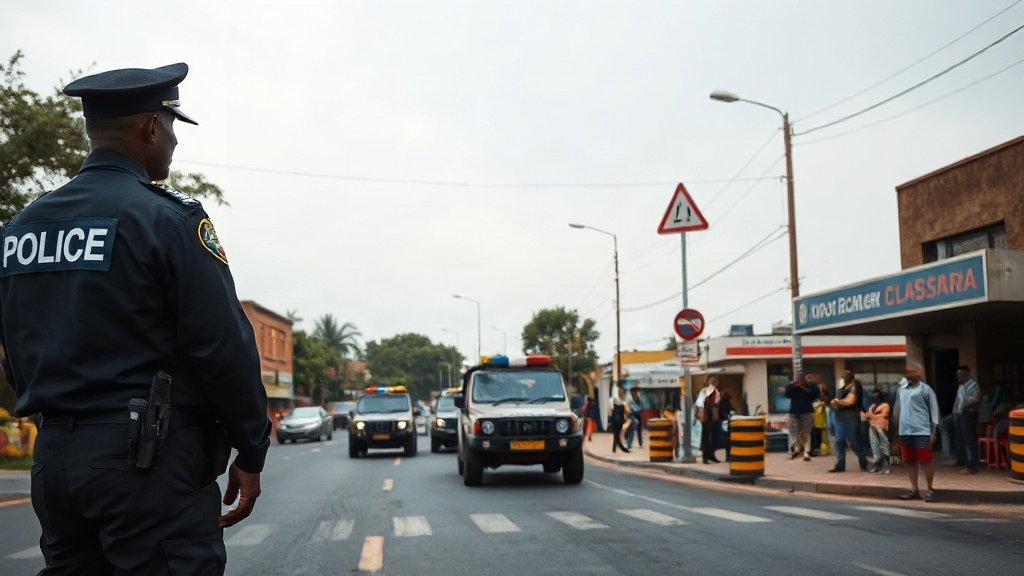
Thirty people have been arrested after this week’s anti-undocumented immigration protests in Durban and Johannesburg, 25 of them in KwaZulu-Natal and five in Gauteng, and the National Joint Operational and Intelligence Structure says heightened police deployments will remain at hotspots in both cities.
The arrests were for offences including public violence, illegal gathering, obstruction and resisting arrest. As SABC News reported on 10 October, the deployments follow demonstrations in the Durban CBD, Soweto and Johannesburg earlier in the week.
NATJOINTS is the standing structure that coordinates the South African Police Service with the State Security Agency, the defence force, metro police and other departments when operations cut across more than one province or more than one arm of the state. When it says a deployment will “remain in place”, that is a police operational decision rather than a new law or a court order, and it is the structure that speaks for the police nationally when a situation is being managed across provincial boundaries.
The numbers matter to how the week is read. Thirty arrests spread across two provinces is a small figure against a protest that drew crowds in the Durban CBD and in Soweto and central Johannesburg, and it is the kind of figure that tells a reader more about how the police chose to police than about how many people were on the streets.
What the deployment means for people living and working in those areas is concrete. Heightened police presence in a CBD typically shows up as road closures, stop-and-search operations, restricted movement for traders and commuters, and a visible uniformed presence around transport nodes. For residents and shopkeepers in the affected parts of Durban, Soweto and Johannesburg, that presence is the part of this week they will notice directly, whatever they think of the protests themselves.
The demonstrations were against undocumented immigration, which has become one of the most contested questions in South African public life. The pressure points are the ones South Africans raise repeatedly: Home Affairs queues and processing backlogs, competition for informal trading space in city centres, pressure on clinics and schools, and the capacity of the state to enforce who is in the country and on what terms. Those are live public arguments, and the policing of this week’s protests sits on top of them rather than replacing them.
NATJOINTS has not said how long the deployments will last or what specific hotspots are covered, and no further court dates or formal next steps in the cases of those arrested have been announced. The Enquirer has not been able to confirm the identities of those arrested, the specific charges against any individual, or where they are being held. Those details will be established through the courts, and the state’s case against any named person is a matter for that process.