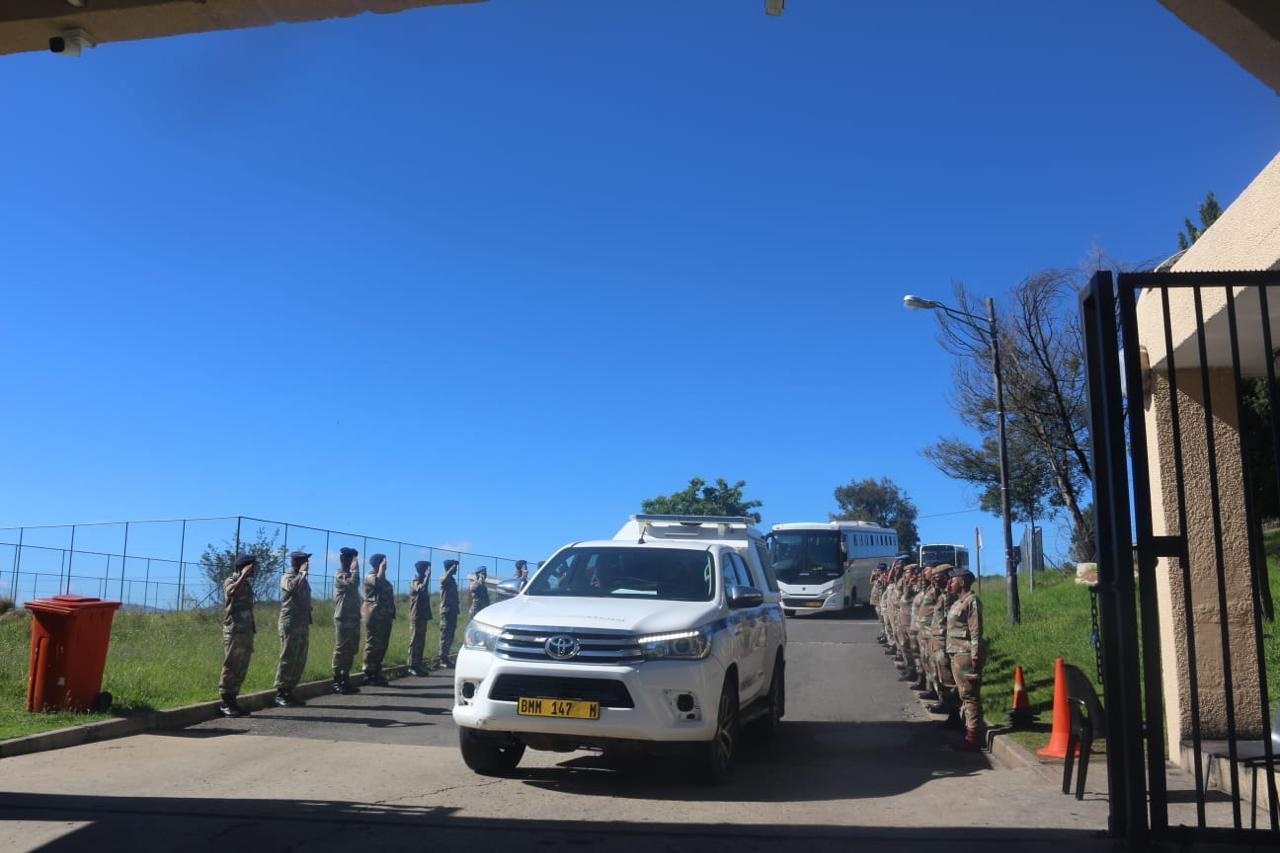
30 arrested as anti-immigration protests hit Durban and Soweto
NATJOINTS says heightened police deployments will stay in place at hotspots in Durban and Johannesburg after days of unrest.
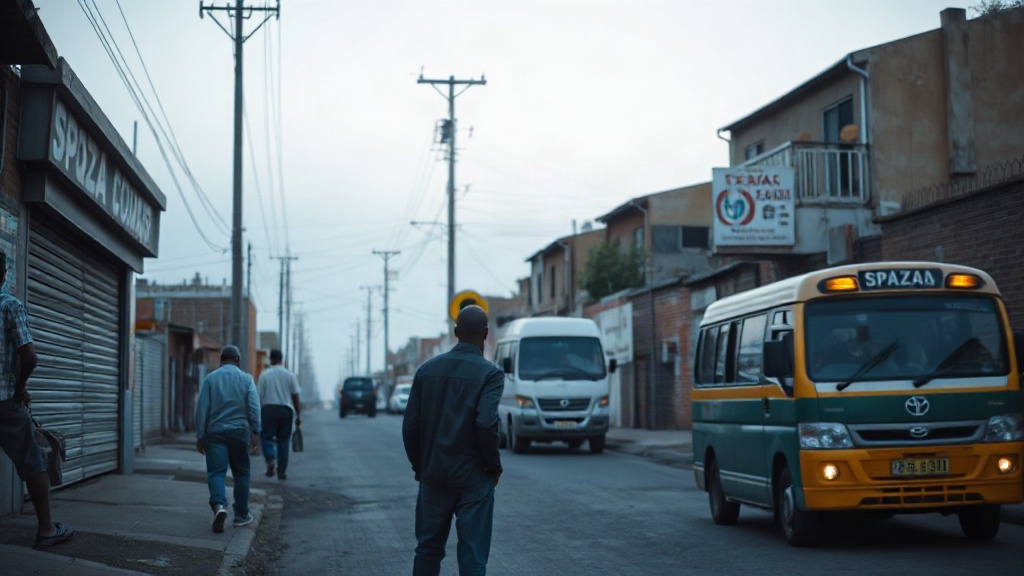
Thirty people have been arrested after protests against undocumented immigration in the Durban CBD, Soweto and Johannesburg this week, the National Joint Operational and Intelligence Structure said on Saturday.
Twenty-five of the arrests were in KwaZulu-Natal and five in Gauteng. The offences cited are public violence, illegal gathering, obstruction and resisting arrest. As SABC News reported on 10 October, NATJOINTS says heightened police deployments will remain in place at hotspots in Durban and Johannesburg.
NATJOINTS is the standing structure that coordinates the SAPS, the metro police services, the defence force and the intelligence services during national operations. When it announces that deployments will “remain in place”, it means the extra vans, public order units and roadblocks already sent to those areas are staying, and that the operation is being run as a national one rather than as separate provincial responses.
For residents of the affected areas, the practical effect is visible policing on the routes where the protests happened, and continued pressure on the people who were on the streets. The 30 arrests are the state’s account of what happened. What the protests were about, in the words of the people who took part, is not in the NATJOINTS statement, and the statement does not say how long the deployments will last or what the operational trigger for scaling them down will be.
The protests were against undocumented immigration. That is a position South Africans have taken repeatedly in recent years, in marches, in petitions to Home Affairs, and in demands for enforcement at the country’s borders and inside its townships. The reasons given by those who march have centred on competition for informal trading space, pressure on clinics and schools, and crime. Those are political and social claims that belong in the public argument on their own terms. They are also claims that the state has been slow to answer in operational detail, which is part of why the argument keeps returning to the streets.
The questions the state now faces are concrete. What changed in the areas where the protests happened? Who will be removed, and under what process? Why were the queues at Home Affairs what they are? What can the police actually enforce at the border and in the informal trading areas where the pressure is felt? And what is being done about the backlog of asylum and permit applications that sits underneath the whole dispute?
NATJOINTS has not said whether the deployments will be extended beyond the current hotspots, nor whether any of the 30 arrested have appeared in court. The Enquirer will report those developments when they are confirmed.