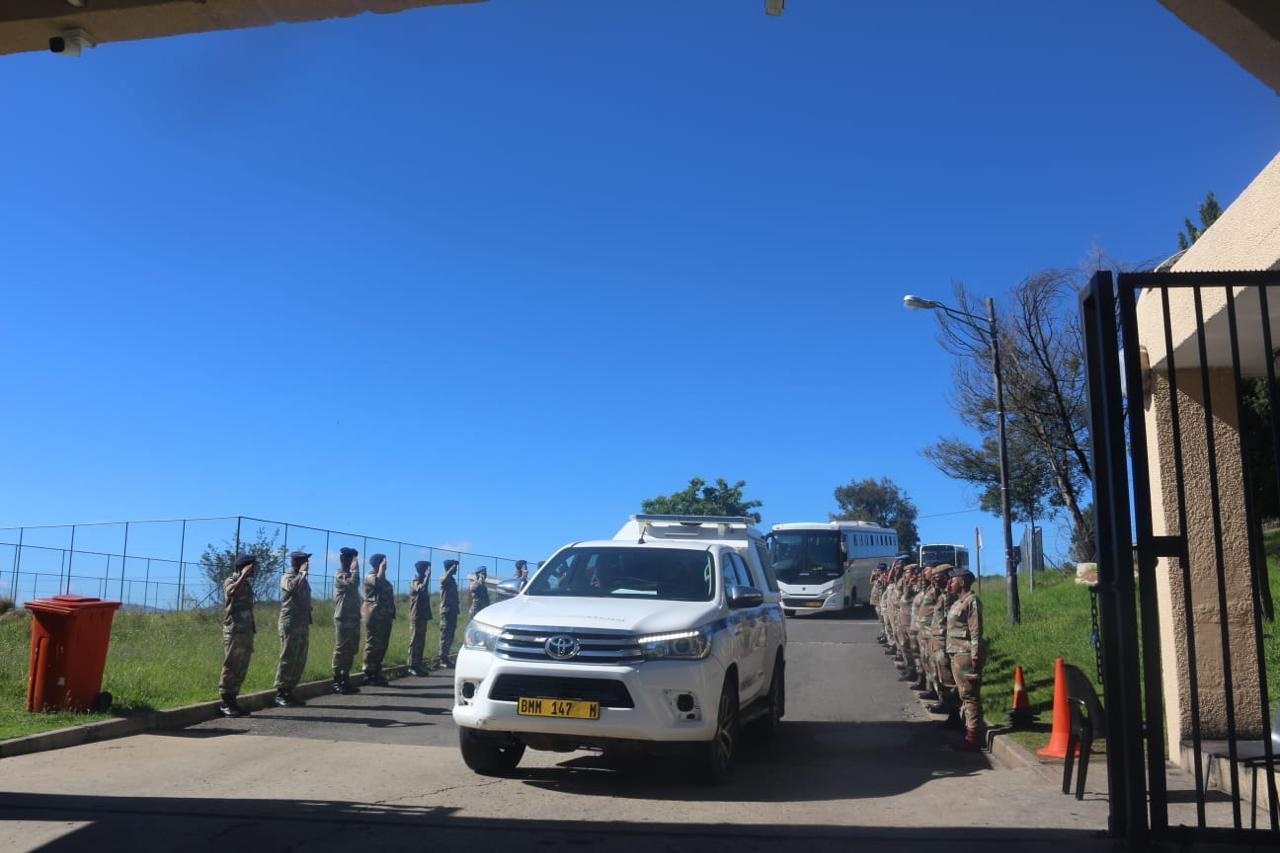
30 arrested as anti-immigration protests hit Durban and Joburg, and nobody will say who they are
NATJOINTS says heightened police deployments will stay at hotspots in Durban and Johannesburg after this week's marches, but the record still does not answer the questions a South African reader would ask about the people in custody.
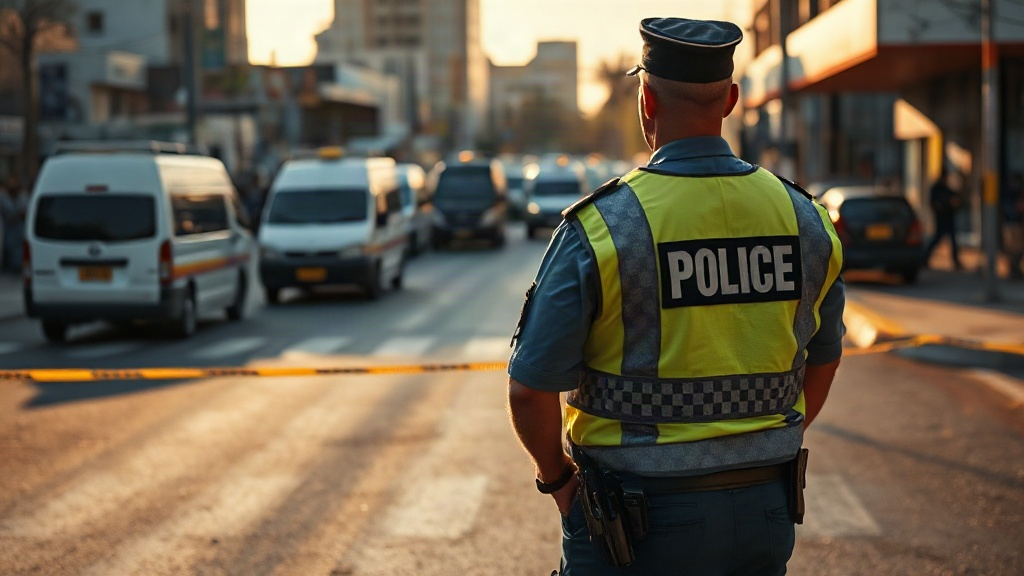
Thirty people have been arrested after this week’s anti-undocumented-immigration protests in Durban and Johannesburg, 25 in KwaZulu-Natal and five in Gauteng, on offences including public violence, illegal gathering, obstruction and resisting arrest.
The National Joint Operational and Intelligence Structure, the standing command that coordinates the police, the metro departments and the intelligence services during unrest, says heightened deployments will remain at hotspots in the Durban CBD, Soweto and Johannesburg. As SABC News reported on 10 October, NATJOINTS briefed on the arrests and on the deployments that will stay in place.
That is the state’s account, and on the numbers it is not in dispute. What is missing is everything a South African reader would want next.
The identities of the 30 have not been published. Neither have their ages, their immigration or asylum status where the state has established it, or the specific charge each one faces. No next court appearance date has been given. The police have not said what identity and status checks are performed after an arrest in a case like this, whether any weapon was recovered, or whether any firearm involved was licensed and to whom. On injuries, the record is silent: how many people were hurt, and how seriously, has not been stated.
Each of those is a question the state can answer, and each of them matters differently depending on the answer. If people arrested at an immigration protest are themselves undocumented, that is a Home Affairs matter running alongside a criminal case, and it raises its own questions about detention, deportation and legal representation. If they are South African residents of the areas where the protests happened, the case is a public order matter and nothing more. The record does not yet say which.
What the state can and cannot enforce
The marches were about undocumented immigration, and the enforcement questions that follow them are concrete. Home Affairs runs the asylum and permitting system, the police run arrests and border operations, and the metros run the by-laws that govern trading in the CBD. When a crowd takes to the street over undocumented immigration, the honest question is not whether the anger is legitimate. It is what the state is actually able to do about the condition that produced it.
On that, the record this week shows a deployment. It does not yet show a removal, a Home Affairs operation, a permit audit in the affected areas or a change to how asylum applications are processed. NATJOINTS coordinates policing. It does not process permits, and it does not decide who may remain in the country. Those are separate institutions with separate records, and South Africans watching this week’s events will notice which of them has said anything at all.
There is also a sequence worth stating plainly. The arrests came after the protests, not before them. Thirty people in custody is a fact about the aftermath of a march, and it is the part of the story that is easiest to report. It is not the reason the march happened, and it is not an answer to the demand that produced it.
What the record does not answer
The Enquirer put the outstanding questions to the South African Police Service and to Home Affairs: the identities and ages of the 30 once publication is lawful, their immigration or asylum status where established, the charge each faces, the date of the next court appearance, whether any weapon was recovered, whether any firearm was licensed and to whom, what identity and status checks follow an arrest, and how many people were injured and how seriously. Where answers come, they will be reported.
Until then, the state’s position is that criminality will not be tolerated and that deployments will remain. That is a statement of intent. It is not a record of what was done about the condition that brought people into the street, and it is not an answer to the questions the arrests themselves raise.
The deployment stays. The 30 remain in custody. Nobody has said who they are.