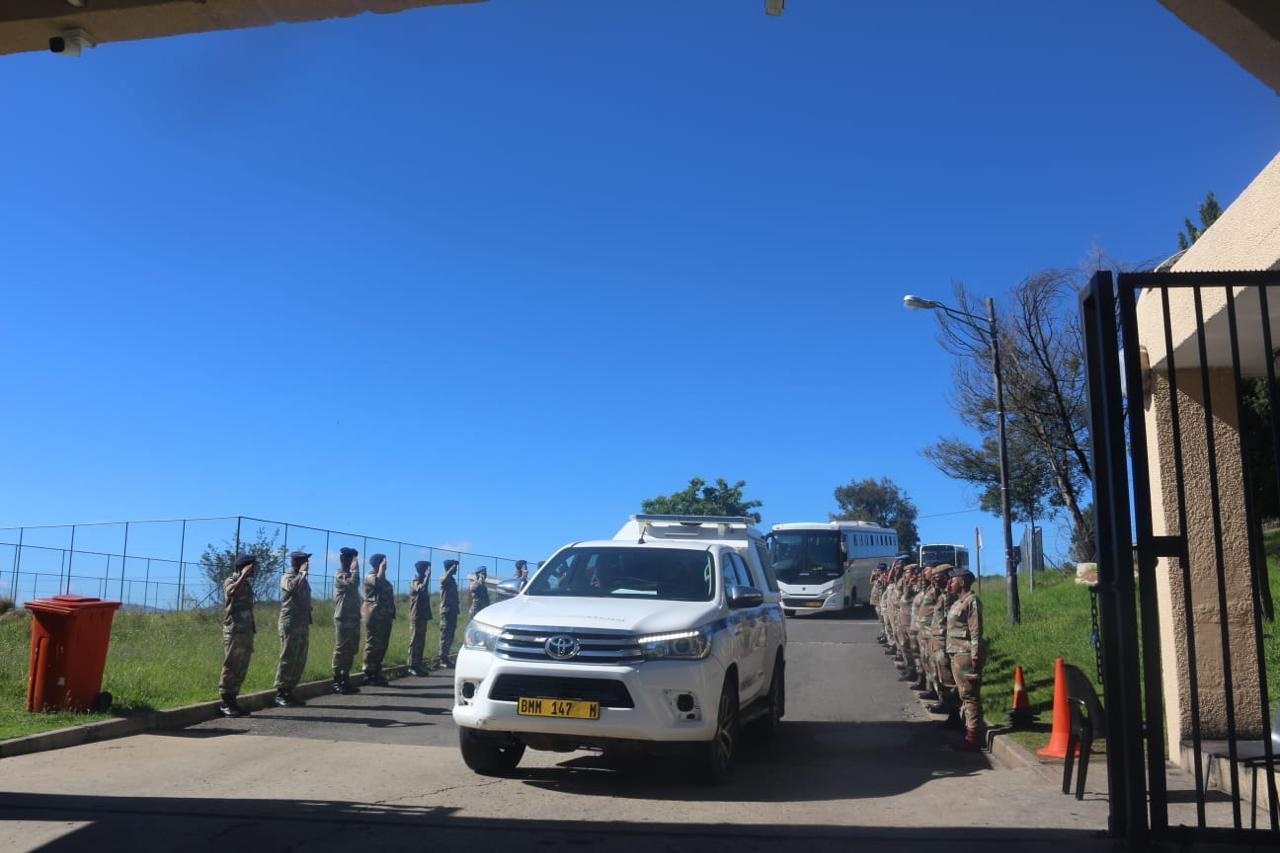
Thirty arrests and a standing deployment: how the state's protest machinery actually works
NATJOINTS says heightened police deployments will stay at hotspots in Durban and Johannesburg, and 30 people face charges. Here is who decides that, what the charges mean and what a person caught up in it is entitled to.
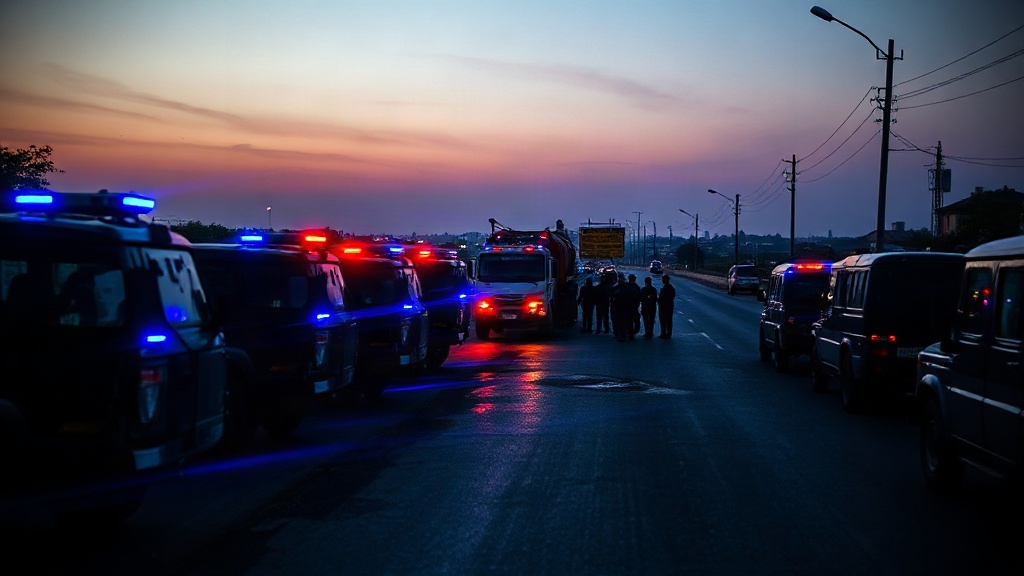
Thirty people have been arrested, 25 in KwaZulu-Natal and five in Gauteng, and heightened police deployments will stay in place at hotspots in Durban and Johannesburg. As SABC News reported on 10 October, that was the account given at a briefing on the National Joint Operational and Intelligence Structure, known as NATJOINTS.
The arrests and the deployment are the event. What follows is the machinery.
NATJOINTS is not a police station and it is not a unit that makes arrests. It is the standing coordination structure that brings the South African Police Service together with the intelligence community, the metro police departments, the defence force where it is called on, and the other departments with a role in a large operation. Its function is to put one plan and one line of communication over a response that would otherwise run through several chains of command. When a briefing is held under its name, what is being announced is a joint posture, not a single station’s caseload.
That matters for reading the deployment line. “Heightened deployments will remain in place” means personnel and vehicles are being held in the affected areas rather than demobilised, and that the decision sits with the provincial commissioners and the national structure behind them. It does not, on its own, tell a reader how many officers are on the ground, for how long, or which specific streets are covered. Those operational details are typically not disclosed, and the source material does not carry them.
The charges listed, public violence, illegal gathering, obstruction and resisting arrest, are not one offence. They come from different places in the law and they carry different consequences.
Public violence is a common law crime, which means it was not created by an Act of Parliament and its boundaries have been shaped by the courts over decades. It is not the same thing as being in a crowd. Illegal gathering sits under the Regulation of Gatherings Act, the 1993 law that governs how a march or a gathering is notified to a municipality and what happens when it is not. Obstruction and resisting arrest are separate, and a person can face one without the others.
What a reader should take from that is simple. An arrest is the start of a process and not a finding. The National Prosecuting Authority decides whether a case goes to court, and it can decline. A charge sheet is an allegation. The state carries the burden of proving each element, and a court can strike a charge down.
For anyone who ends up on the wrong side of a cordon, the practical position is this. A person who is arrested must be brought before a court as soon as reasonably possible, and the law sets an outer limit of 48 hours, excluding weekends and public holidays, unless a court grants more time. The person has the right to remain silent, the right to be told why they are being held, the right to consult a lawyer and the right to have someone informed of the detention. Bail is the default position in our law, and the state must give a court a reason to refuse it. Those rights attach whether the charge is public violence or a traffic offence.
The deployment question is a different mechanism and a harder one to measure. Police numbers in a hotspot are a resourcing decision, and the state’s own capacity is finite. Diverting public order units to Durban and Johannesburg means those officers are not somewhere else. That trade-off is real and it is rarely stated in a briefing.
It is also worth being clear about what a deployment can and cannot do. A standing police presence can hold a street, protect a building and respond quickly. It cannot prosecute a case, resolve a complaint about a foreign national’s paperwork, or shorten a Home Affairs queue. Those sit with other departments, and the pressure that produced the marches does not disappear when the officers go home.
The source material does not say how long the deployments will last, how many people were injured, what damage was caused, or whether anyone has appeared in court yet. Those are the questions a reader is entitled to have answered, and they have not been answered here.