Spar's 1,700 stores face a hard December as profit warning lands
The retailer has told the market its full-year results will be worse than last year, and analysts are asking whether the turnaround is working at all.
Spar has warned that its financial results for the current year, due in December, will be worse than the previous financial year, according to reporting by eNCA (YouTube).
The previous year was not a good one either. In March the group reported headline earnings down 55%, with profits down, and said operational improvements had not yet translated into profit.
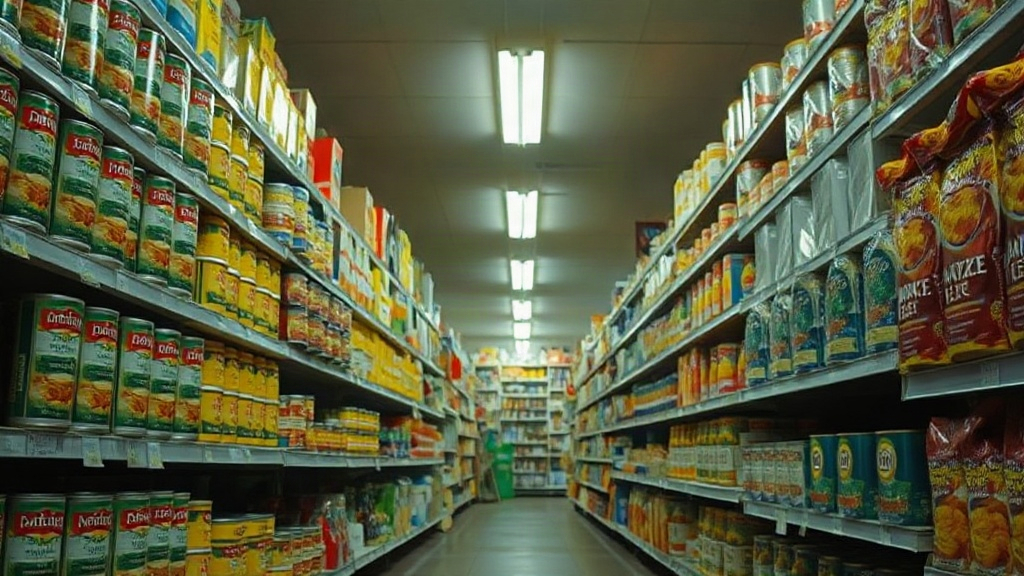
That is the central problem facing the retailer. Roughly 1,700 Spar stores trade in South Africa across its formats, from large SuperSpar outlets to standard neighbourhood stores, QuikSpar, Spar Express, TOPS at Spar and pharmacy counters. The number could be a little higher because the brands differ.
Spar is not a conventional retailer. It operates as a wholesaler that supplies independent owners, who run their own stores and are not obliged to buy their stock from Spar. They can source baked goods or anything else from wherever they like, which is the basis of the group’s argument that a local owner can cater to a local community.
That model has been Spar’s competitive advantage, and the group has defended it on exactly that basis. It is also the source of its current difficulty. Anecdotally, people who spoke to the broadcaster said Spar can feel more expensive, and the community-based case for shopping there now competes with on-demand delivery. The 60Sixty app has become shorthand in many households for ordering groceries, while Spar’s own delivery offering is far less established in consumers’ minds.
TOPS at Spar, once a clear liquor brand advantage, has been squeezed as Shoprite and other retailers expanded their own liquor networks. Shoprite is described in the broadcast as leading the race for high-end consumers, with Spar the laggard.
The pressure is also visible in the group’s balance sheet. One analyst quoted in the media said concern centres on revised debt covenants, which could indicate the group has gone back to creditors to renegotiate terms or payment schedules.
Relations with the independent owners who carry the brand have been strained. More than a year ago, a family in KwaZulu-Natal was angered by an SAP system upgrade that disrupted orders from the wholesaler, in a matter involving a lawsuit of about R170 million. A month ago the chair and deputy chair of Spar resigned, saying they were under pressure and at odds with shop owners. Spar now says it is collaborating and that relations with the Spar Guild, which represents those owners, are looking better.
For consumers, the stakes are about choice. If a brand of this size were to disappear, the remaining retailers would face less pressure on price. The chain also carries shop owners, their employees and suppliers.
The broadcaster’s own conclusion was that the best outcome for shoppers is competition, because it keeps retailers under pressure to offer what people want at fair prices.
Source: eNCA (YouTube), Number of the Day | 1700 | 28 September 2026