South Africa's new coastal signs speak Braille, isiXhosa and isiZulu
Seven prototype Living Coast signs go up at Grotto East in Hermanus on 6 October, the first step in a 97-sign national series that puts accessibility at the centre of how the country explains its coastline.
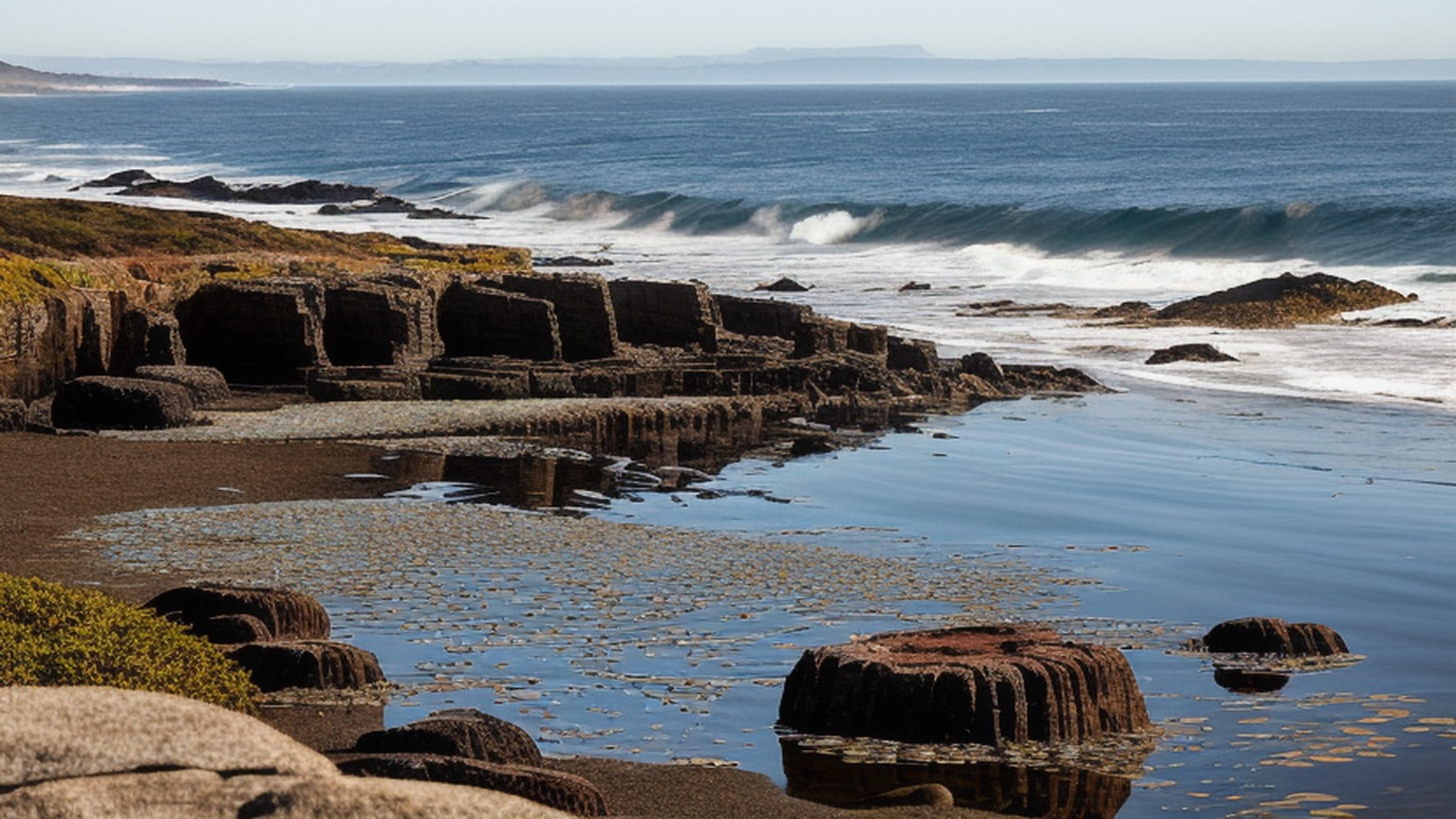
Seven prototype coastal interpretive signs will be unveiled at Grotto East in Hermanus on 6 October 2026, the first instalment of a national series called Living Coast that will eventually place 97 signs along the coast from the West Coast to northern KwaZulu-Natal.
The prototypes are being launched during the Wildlife and Environment Society of South Africa’s Coastal Celebration, which this year marks 100 years of WESSA and 25 years of the Blue Flag programme in South Africa.
The Department of Forestry, Fisheries and the Environment is leading the design and development of the series. WESSA, the Overstrand Municipality and CapeNature are manufacturing and installing the Hermanus prototypes. Blind SA is producing the Braille. The National Council of and for Persons with Disabilities is providing expertise on accessibility.
Living Coast builds on the coastal interpretive signs DFFE installed at beaches around the country more than two decades ago under the CoastCare initiative, accompanied by a library of fact sheets distributed to schools and libraries from Alexander Bay to Kosi Bay. Many of those original signs have become faded, damaged or lost, and the science behind them has moved on. Rather than reprint them, the department asked what coastal interpretation would look like if it were designed today.
Each Living Coast installation has two parts. The main board carries the interpretive story in a typeface designed for people with poor eyesight, with an anti-glare coating for reading in strong sunlight. Below it sits an independent accessibility rail at seated height, built so that a wheelchair user, a child or a blind visitor can use it without help.
Braille on the signs is manufactured and verified by Blind SA and printed in uncontracted Braille so that newer Braille readers can use it. The Hermanus prototypes carry English and Afrikaans versions with Braille, and Afrikaans digital guides have already been produced. English, Afrikaans, isiXhosa and isiZulu versions can be produced without changing the design, and other languages will follow in the series.
A QR code on each sign opens a digital library that includes audio tours, a species guide with more than 279 original illustrations, a coastal quiz, a citizen science guide, visitor information, a plain-language fact sheet on coastal policies, tide and weather information, and the national ocean and coast information system. A beach-safety guide developed in consultation with emergency services is also included. The audio is synchronised with sentence-by-sentence subtitles for visitors with hearing loss or those who prefer to read along.
The department has chosen to install the seven Hermanus prototypes first, observe how people use them, consult Blind SA, the NCPD, Pioneer School learners and Overstrand Municipality residents, and correct mistakes before the signs are launched widely.
The series follows South Africa’s first Braille coastal interpretive signs, unveiled on 11 February this year at Eerste Steen in the Blaauwberg Nature Reserve, where blind people contributed directly to the design.
Writing in the government’s account of the project, Ryan Peter, the DFFE director responsible for coastal development and coordination, said the principle behind the signs rests on the Integrated Coastal Management Act, which holds that the seashore and sea are coastal public property owned by the state for the benefit of all South Africans, with a right of reasonable access for everyone.
Peter said the country had spent years establishing physical access to the coast while a different kind of exclusion went unexamined. A sign usable only by sighted, English-speaking adults, he wrote, has already decided who the coast belongs to. Along South Africa’s 3 593 km coastline, he said, that decision has been made many times without anyone noticing.
The document is the government’s own account of the project rather than the full project record. It names no budget, no procurement figures and no completion date for the remaining 90 signs, and it does not say how the accessibility features will be maintained once installed.
Source: SAnews (South African Government News Agency), A coast you can touch, hear and read, https://www.sanews.gov.za/south-africa/coast-you-can-touch-hear-and-read