South Africans vote on Wednesday in local elections that decide the water in their taps
Municipal polls put councillors, service delivery and municipal budgets in voters' hands, with an anti-crime activist urging residents to judge candidates on results rather than party loyalty.
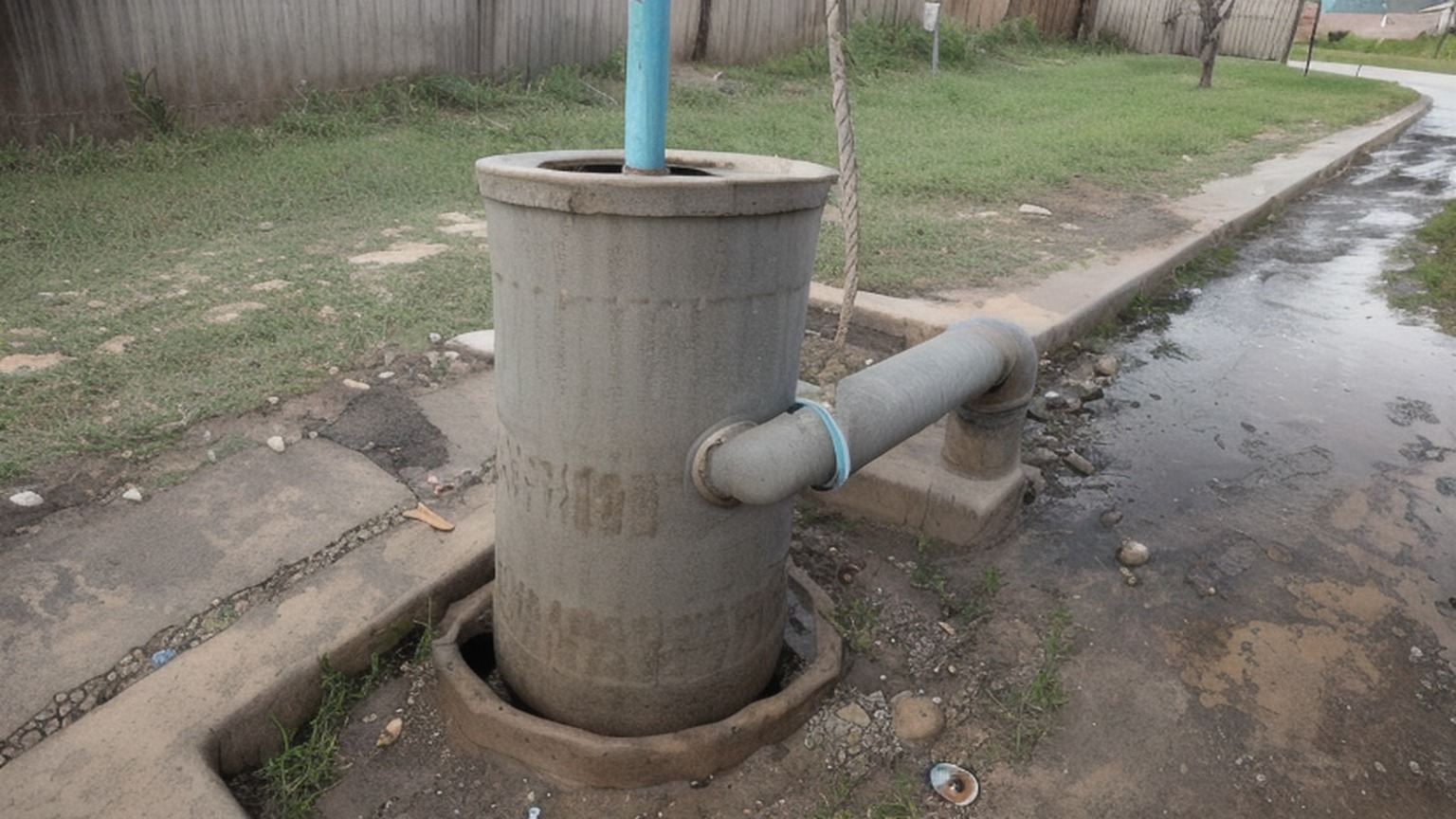
South Africans vote in municipal elections on Wednesday, and the argument being put to them is that the ballot decides the water in their taps, the lights in their streets and whether the rubbish is collected.
Sunday World published that case on 1 November in a piece by Yusuf Abramjee, an anti-crime and social activist, under the headline that local government is where elections really hit home. The paper’s central point is that while national politics takes the headlines, it is the municipality that runs water, electricity infrastructure, refuse collection, road repairs, stormwater drains and street lighting.
That is the list a resident deals with every day. A household with an interrupted water supply, a business losing productivity when the electricity network is neglected, a commuter on a broken road, a community living beside uncollected refuse: these are the consequences the piece puts at the centre of the vote. Abramjee’s line is that basic services are not political favours and that residents have a right to expect them.
The piece does not stop at services. It argues that municipalities have to plan for the future, maintain infrastructure and manage resources responsibly, and that a municipality cannot function when its finances are mismanaged and its administration is driven by political interests rather than residents’ needs. It names corruption, cadre deployment, political infighting, poor financial management and incompetent leadership as things that have no place in local government, and says municipal budgets belong to residents and should be spent on improving their lives.
On safety, the piece is careful about where the line sits. Policing is primarily a national and provincial responsibility, it notes, but municipalities cannot distance themselves from crime. It calls for metropolitan and municipal police departments to be properly resourced, professionally managed and visible, and for investment in street lighting, CCTV, safer public spaces and by-law enforcement. It points to abandoned buildings, hijacked properties, informal settlements in dangerous areas and overgrown open spaces as conditions that can create opportunities for crime, and calls for municipalities to work with SAPS, community policing forums, neighbourhood watches and private security companies. Illegal trading, drug dealing, counterfeit goods and illicit cigarettes, it says, must be tackled through enforcement and cooperation with the relevant agencies.
The argument then turns to the people who would be elected. A councillor’s job begins after winning, the piece says, not ends there. Residents should know who their ward councillor is, how to contact them and where to take a complaint, and councillors should attend community meetings, follow up on service failures and report back rather than disappearing for five years and reappearing at election time.
For voters, the piece sets out a set of questions to carry into the booth: has the municipality improved, are services reliable, are roads maintained, is water available, are finances properly managed, are complaints addressed, are public spaces safe, is crime being taken seriously. It urges voters not to back a party simply out of habit, but to look at candidates, their integrity, their track records and their ability to govern.
It also addresses the residents most likely to stay home. Frustration with empty promises, corruption and poor service delivery is real, the piece concedes, and the temptation to abstain is understandable. Its answer is that staying away lets others decide on your behalf, that the vote is secret, and that nobody has the right to intimidate a voter or demand to know their choice.
Democracy does not end at the ballot, the piece argues. It continues through public meetings, questioning municipal spending and holding councillors to account, and local government should stop being treated as the poor cousin of national politics when it is the foundation of service delivery and the first line of accountability between government and residents.
Abramjee closes on the same ground he opened: the vote is about more than politics, it is about the water, the street lights, the roads, the safety of a family and the future of a community.