2.65 million South Africans vote early as special voting opens, up 131% on 2021
The IEC has approved 2.65 million special vote applications for the 2026 local government elections, more than double the 2021 figure, with home visits and station voting starting on Monday.
Special voting for the 2026 local government elections opens on Monday, and 2.65 million South Africans have been approved to use it. That is 131% more than the number approved for the 2021 local government elections, the Electoral Commission of South Africa says.
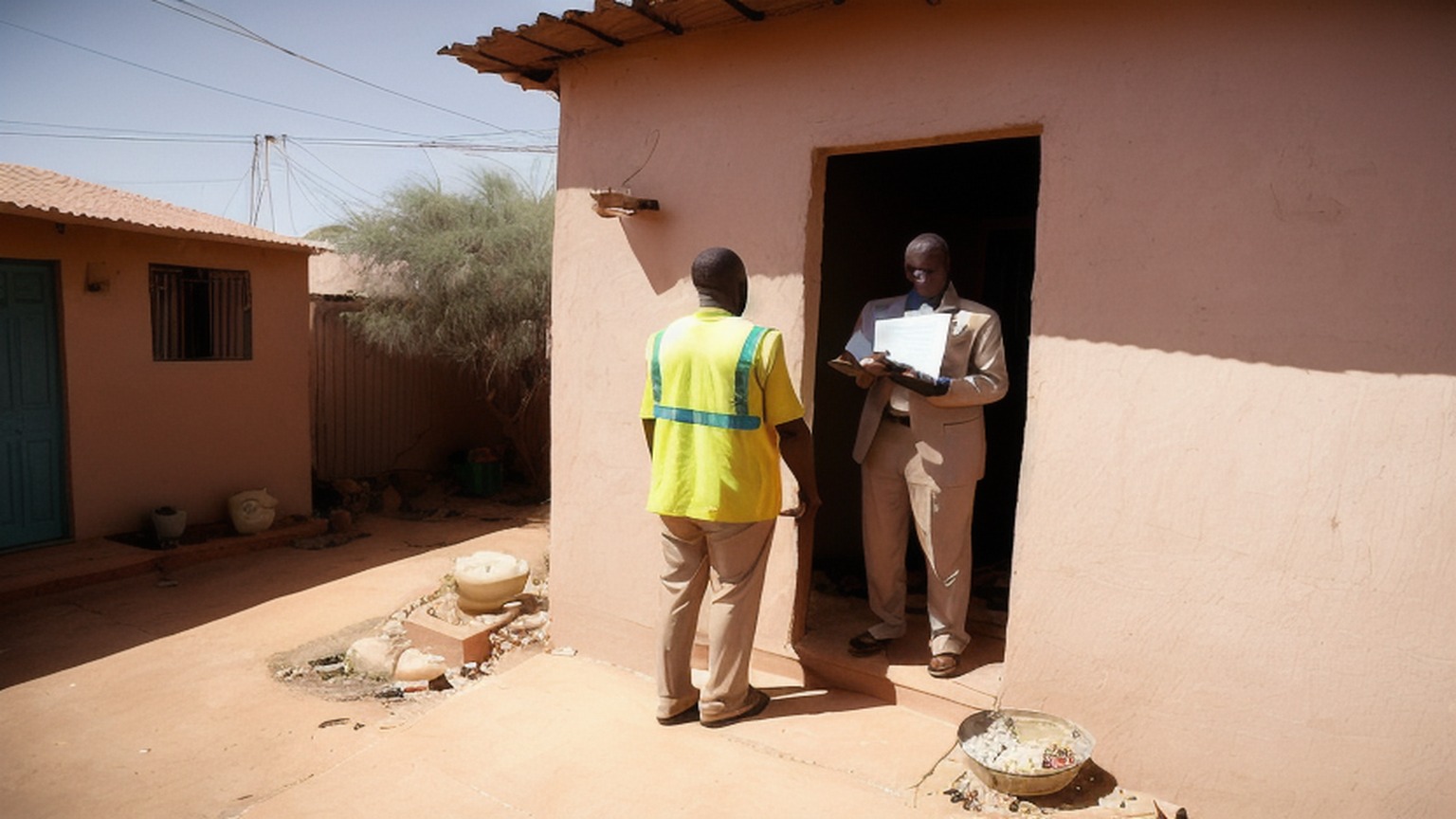
As eNCA reported on 2 November, voters whose special vote applications have been approved can cast their ballots in one of two ways: through a home visit by IEC officials, or at their registered voting stations. The arrangement exists for people who cannot get to a polling station on election day itself.
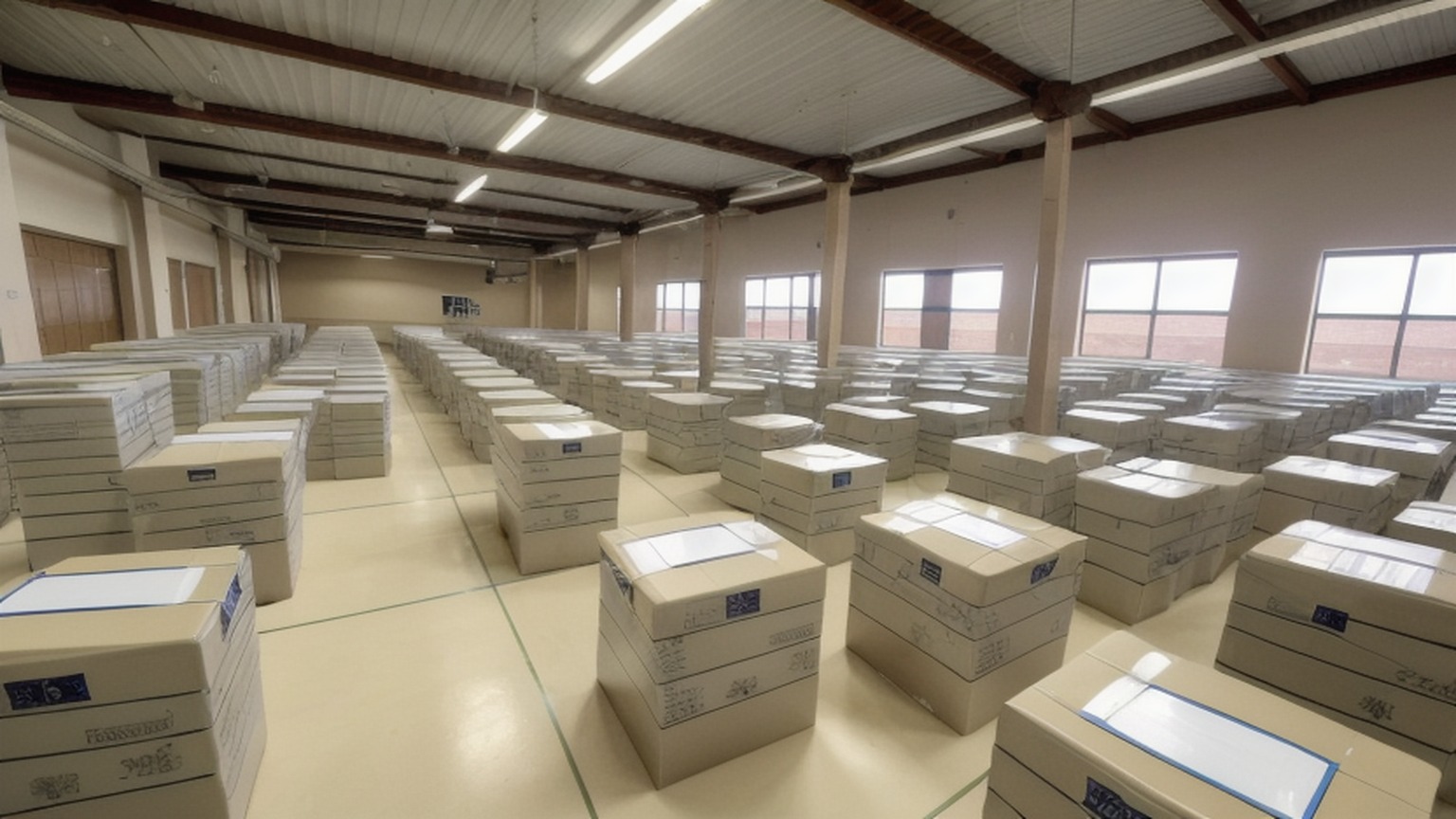
The scale is the story. Special voting is usually a modest side channel in a South African election, built for the elderly, the housebound, the ill and those working on polling day. More than doubling the 2021 figure turns it into a substantial share of the electorate casting a ballot before the main day, and it puts pressure on the IEC’s logistics: home visits have to be scheduled and staffed, and station-based special votes have to be processed without disrupting preparations for the main vote.
For an ordinary voter, the practical questions are narrow. If your application was approved, you vote at your registered station on the special voting day or you wait for the IEC’s home visit, and you should confirm which applies to you before Monday. If your application was not approved, special voting is not open to you, and you vote on election day at your registered station. The IEC has not, in the material available, said how many applications were received against the 2.65 million approved, so the refusal rate is not established here.
The 2026 elections are local government elections, the contests that decide metro and municipal councils and, with them, mayors, ward councillors and the delivery of water, electricity, refuse collection and rates billing. Turnout in these elections has historically been lower than in national votes, which makes a jump in early voting worth watching: it can signal an electorate that is more engaged than expected, or simply a shift in how people choose to vote rather than whether they vote at all. The IEC’s approval figures do not by themselves establish which.
The commission’s operational record on special votes will be tested over the coming days. Home visits depend on officials reaching addresses on schedule, and station-based special voting depends on the correct voters being matched to the correct voting districts. Where those go wrong, the IEC’s normal remedy is a formal objection and, if necessary, a court application, and the commission has not flagged any such issue in the material published so far.