SACP takes its own budget plan to 4,000 ward candidates as Godongwana holds spending to 3.6%
The party's answer to last week's Medium-Term Budget Policy Statement promises municipal jobs over contractors, public ownership of water and electricity, and ward assemblies that set spending priorities.
The South African Communist Party is asking voters on Wednesday to hand it municipal power on a promise to spend differently from Treasury, and its response to last week’s Medium-Term Budget Policy Statement is the clearest statement yet of what that would mean in a council chamber.
As Sunday World set out in its 1 November analysis of that response, the party is fielding more than 4 000 ward and proportional representation candidates nationwide. It first contested elections under its own banner in 2017, when it challenged the ANC in Metsimaholo municipality in the Free State amid disputes over local ANC factions and corruption. Wednesday is a far larger gamble, and it follows a deepening split with the ANC over the party’s decision to govern alongside the DA.
The dividing line is spending. Finance Minister Enoch Godongwana’s Medium-Term Budget Policy Statement, delivered last week, holds annual expenditure growth to 3.6% and presents debt stabilisation and primary budget surpluses as the achievement. The SACP’s budget statement of 23 October, read with its municipal election manifesto, measures progress by employment, industrial development and living conditions instead, and argues that the Treasury’s restraint sacrifices chances to create jobs.
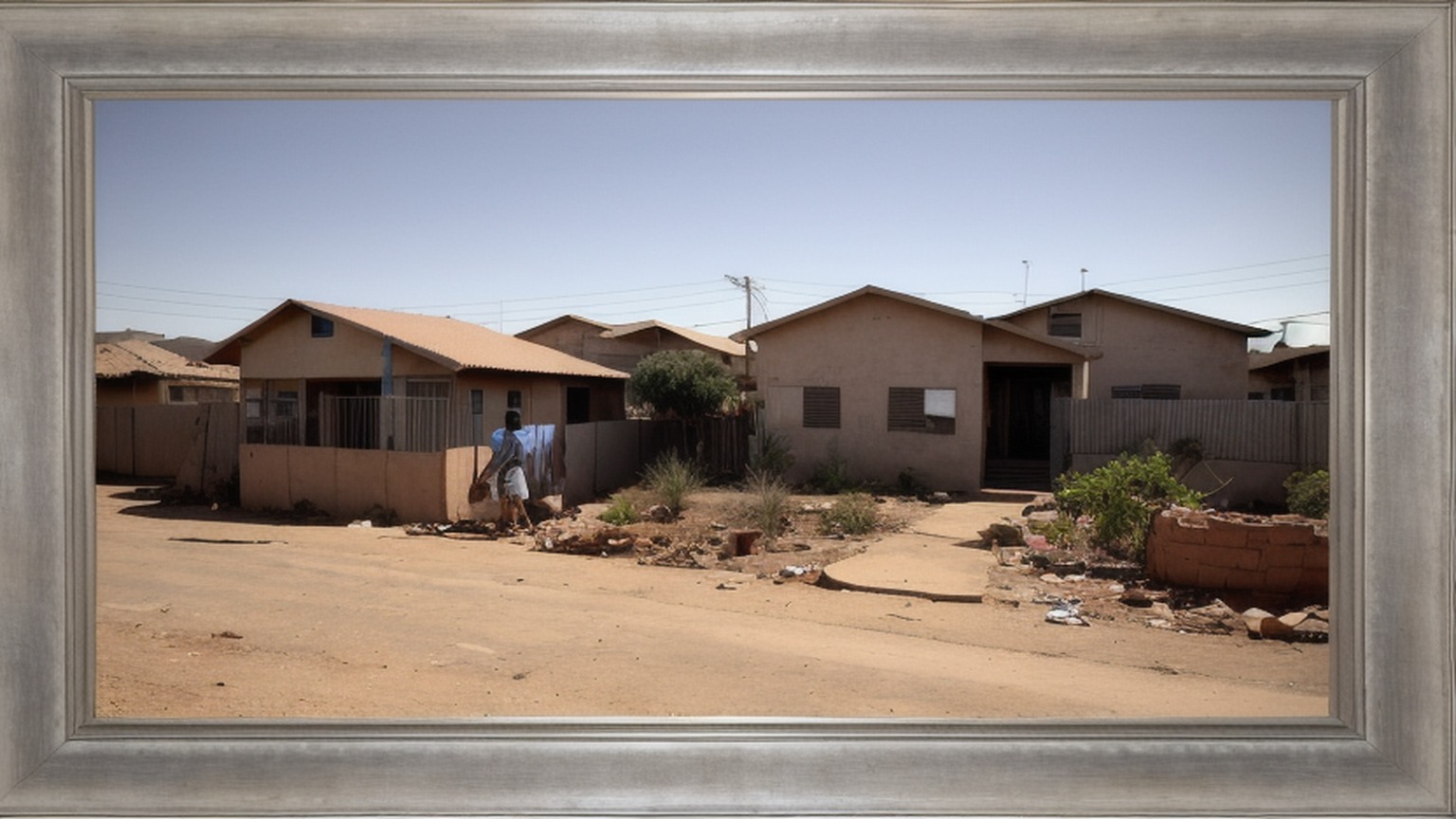
For a reader in a municipality where the grass is long and the pipes leak, the party’s proposals come down to four changes.
The first is who does the work. Rather than relying on contractors, SACP-led councils would seek to employ municipal workers directly to repair infrastructure, maintain public facilities and deliver services, backed by apprenticeships, cooperatives and municipal enterprises. More of the budget would go to municipal employees and locally organised production, and less to outsourced services.
The second is who owns the service. Godongwana supports reforms that invite private investment into electricity, transport and other infrastructure. The SACP argues those arrangements let businesses collect profits from essential services while government carries the infrastructure risk. It wants public ownership and democratic control of electricity, water and transport, and promises to rebuild municipal capacity and bring outsourced services back in-house wherever possible. A communist-led council would first test whether its own departments could perform a function before appointing a private company.
The third is how councils are funded. The SACP says local government receives only 10% of non-interest expenditure, which it says leaves councils unable to deliver services or create employment, and it criticises Treasury’s practice of withholding funds from financially distressed municipalities that fail to meet conditions. That is a demand an SACP council could make of national government but not a lever it holds. No council can rewrite Treasury’s allocation formula on its own, so municipal budgets would still run into the same limits.
The fourth is what residents get and what they pay. The party wants councils to prioritise affordable water and electricity, protect basic services and stop punitive disconnections. It proposes using public land for housing, food production and cooperatives rather than selling it to private developers, and ward assemblies where residents help set spending priorities and monitor municipal expenditure. Its manifesto promises councillors who report regularly to communities and can be recalled if they betray public expectations.
What the material does not yet contain is a costed budget. Councils must balance revenue against expenditure, pay creditors and comply with national financial legislation, and the party would still have to explain how it funds additional workers, cheaper services and expanded public enterprises without weakening municipal finances. That gap is where its criticism of Godongwana becomes an electoral test rather than a programme.
Voters go to the polls on 4 November. The result will decide where, if anywhere, the SACP gets to try.