Northern Cape races to 87% counted as IEC warns against reading the numbers too early
More than 60% of the 66 073 results had been captured by 5pm on Thursday, with 65 of the country's 213 municipalities through the full capturing, scanning, auditing and exception process.
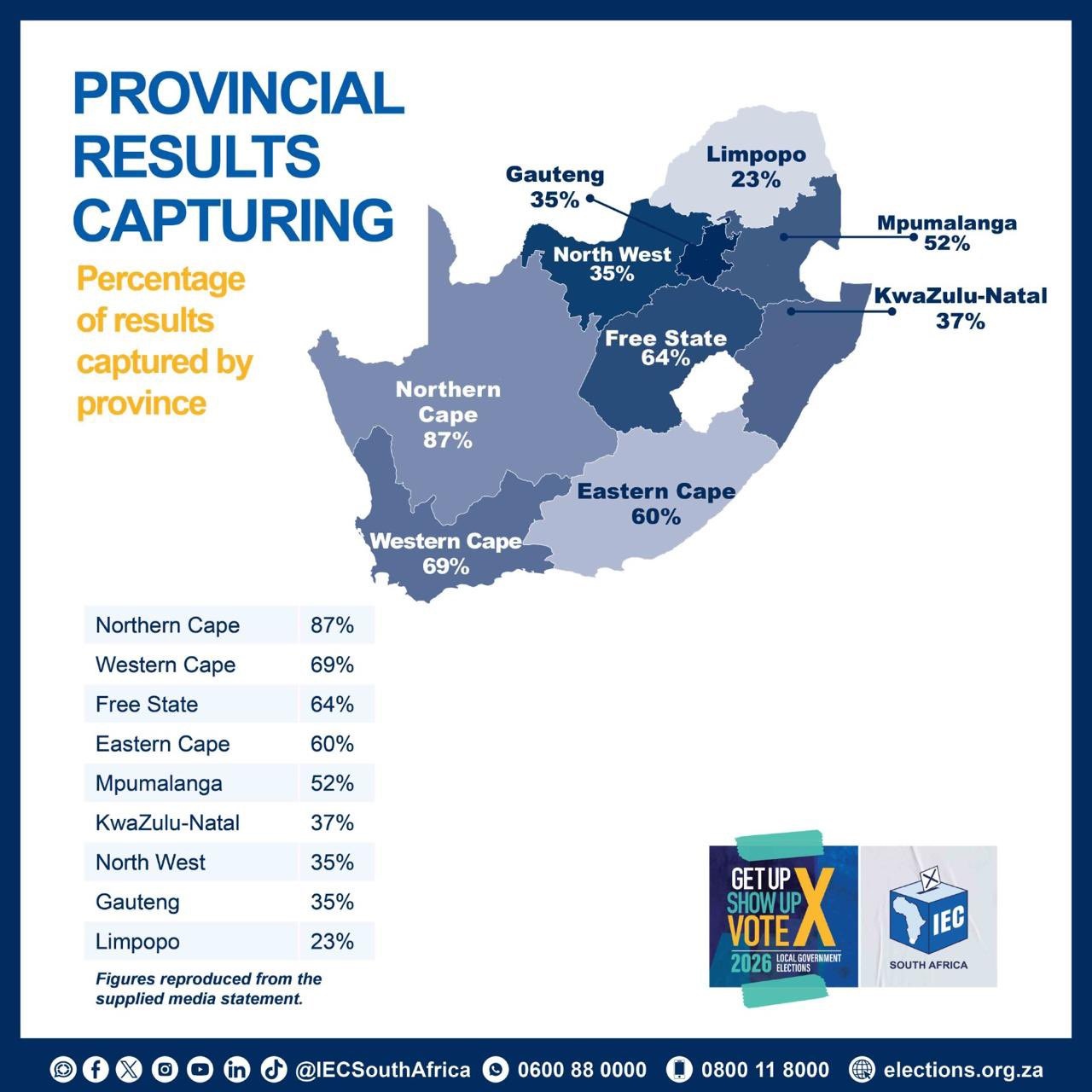
The Northern Cape is furthest through the count, with 87% of its results captured, as the Electoral Commission of South Africa works through the 66 073 results from Wednesday’s local government elections.
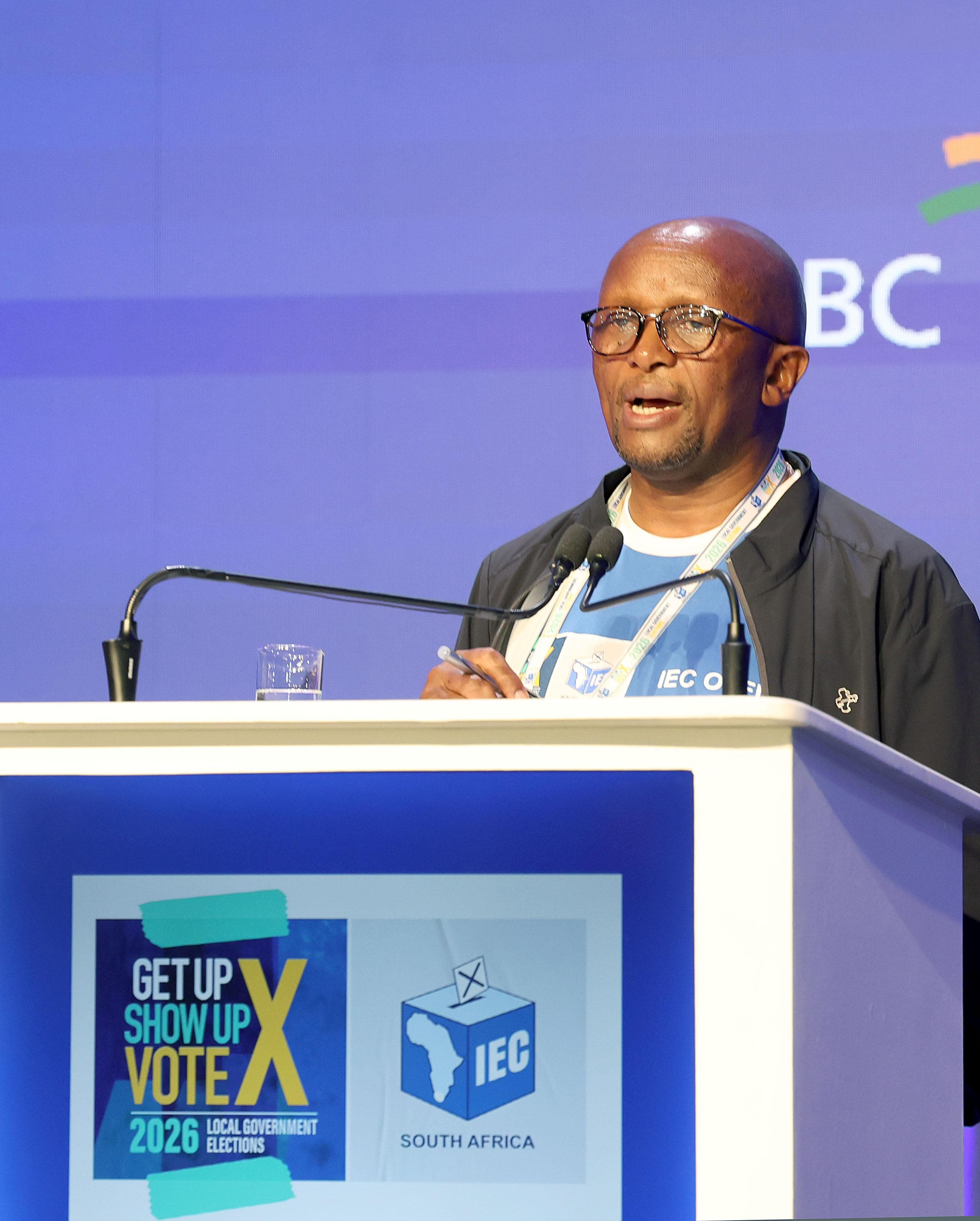
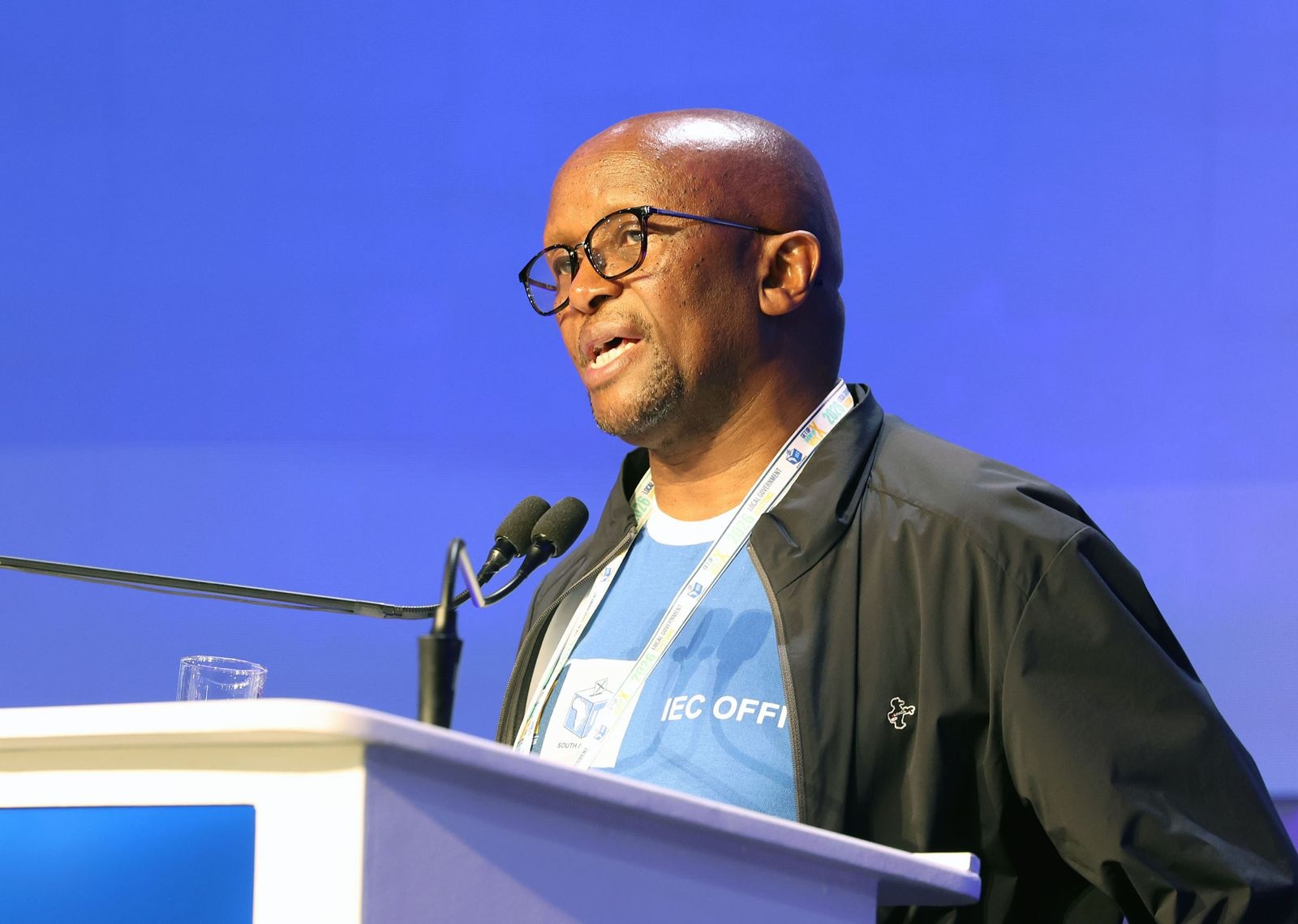
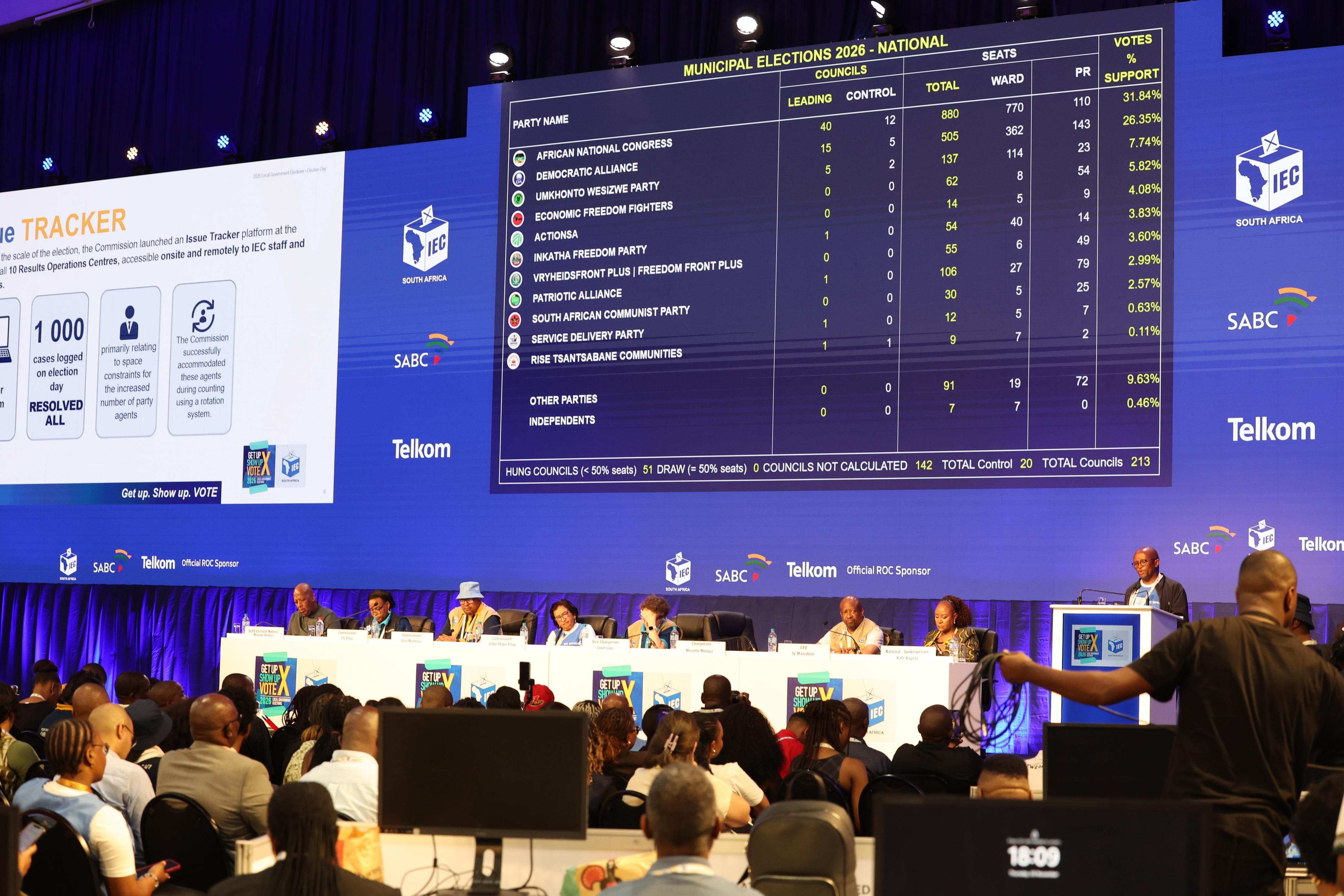
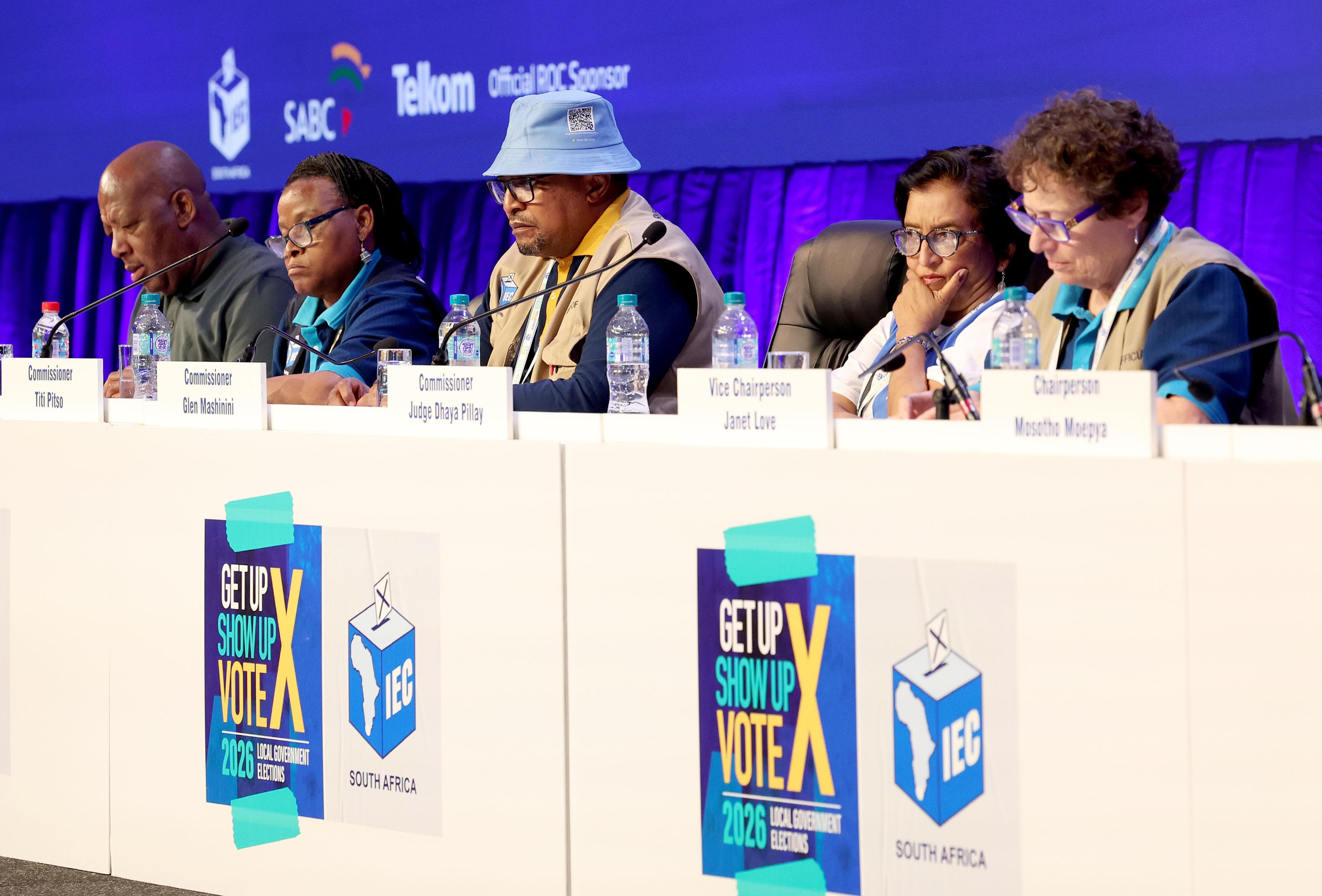
IEC Chairperson Mosotho Moepya told a media briefing at the National Results Operations Centre in Midrand on Thursday that results capturing and verification were progressing steadily across the country, with more than 60% of the 66 073 results captured by 5pm.
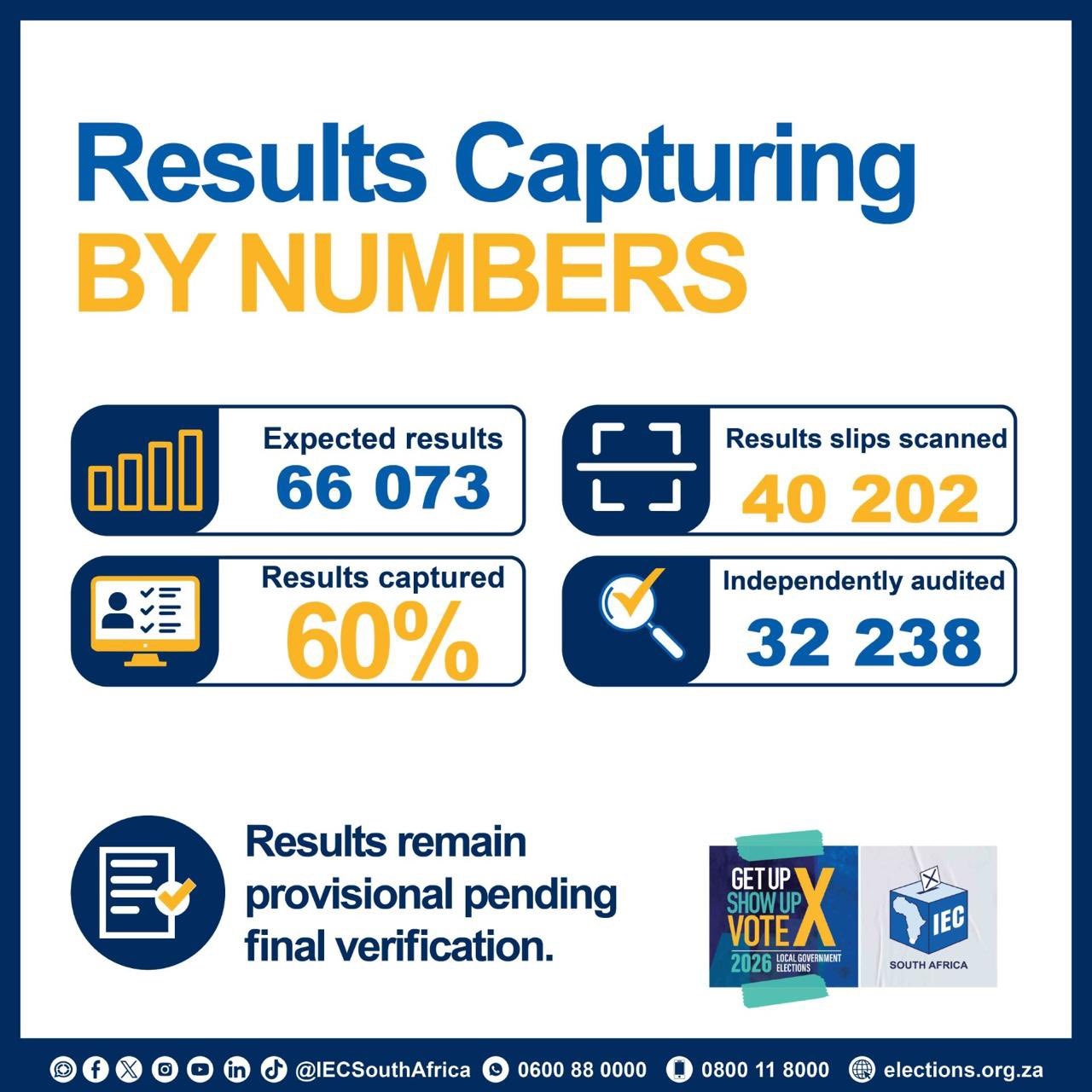
About 40 202 result slips had been scanned and 32 238 had undergone independent auditing as part of the verification and quality assurance processes, he said. Those measures, in the Commission’s account, are aimed at ensuring the accuracy, transparency and integrity of the results before they are finalised.
The provincial picture behind the Northern Cape’s 87% has the Western Cape at 69%, the Free State at 64% and the Eastern Cape at 60%. Mpumalanga sits at 52%, KwaZulu-Natal at 37%, North West and Gauteng at 35% each, and Limpopo at 23%.
Moepya said 65 of the country’s 213 municipalities, 31% of them, had completed the capturing, scanning, auditing and exception process.
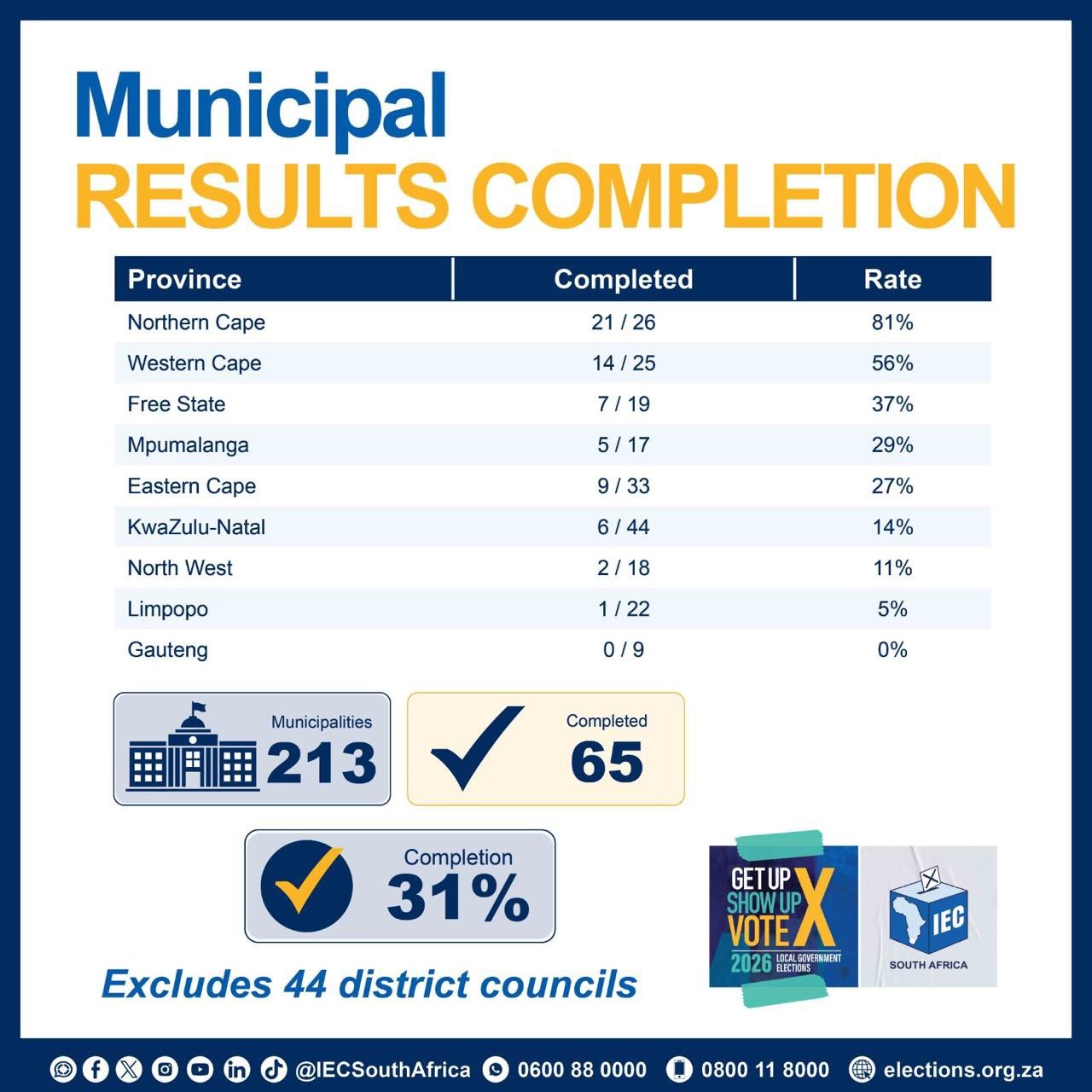
The Commission cautioned that the figures remain provisional until objections material to an election have been finalised. It anticipated that the results collation process would be concluded by the weekend, and said it remained committed to finalising results as expeditiously as possible while following all prescribed verification and quality assurance processes.
It urged political parties, independent candidates, the media and the public to exercise caution when interpreting partial results and to rely on the officially verified results it publishes.
The Commission also pointed to its enhanced Issue Tracker, launched for this election as part of the Virtual ROC, which gives remote access to electoral operational systems and the ten Results Operations Centres. Moepya described it as a mechanism for contestants and electoral staff to report all issues that could impair the election process. More than 1 000 cases logged since special voting began have been resolved, he said.
The Chairperson repeated the Commission’s call for stakeholders to observe election regulations during the results processing phase and to avoid issuing disinformation about the results.
Wednesday’s poll gave South Africans the opportunity to elect municipal councillors and, through them, to influence local governance and hold elected representatives accountable for service delivery and for improving quality of life in their communities.
This report is based on SAnews (South African Government News Agency) coverage of the Commission’s briefing, which is a summary of the Chairperson’s remarks rather than a transcript of the briefing itself: https://www.sanews.gov.za/south-africa/lge2026-results-capturing-making-steady-progress
- 1.3 million special votes cast as fake ballot-box videos spread online 2026-11-03
- 29.2 million voters, 188 000 officials, gates open at 7am: South Africa votes today 2026-11-03
- MK leader killed as 21 election dockets open and six arrested before voting day 2026-11-03
- Blind voters at risk of marking the wrong candidate as IEC rushes to fix ballot template mismatch 2026-11-04
- Millions vote as 98% of stations open, but stolen ballots and protests mar local elections 2026-11-04
- Parties crowd Midrand results centre as first 2026 local election counts land 2026-11-05
- Ballot papers stolen, voters intimidated and party supporters brawling as police open 14 election cases 2026-11-05