Blind voters at risk of marking the wrong candidate as IEC rushes to fix ballot template mismatch
The electoral commission has told presiding officers to walk visually impaired voters through where the first column of their ballot ends, because some stations are using a template numbered for 80 candidates on papers with fewer.
The Electoral Commission of South Africa has told its presiding officers to step in at the voting table and help blind and visually impaired voters work out where the first column of their ballot paper ends, after a numbering mismatch was identified at some stations.
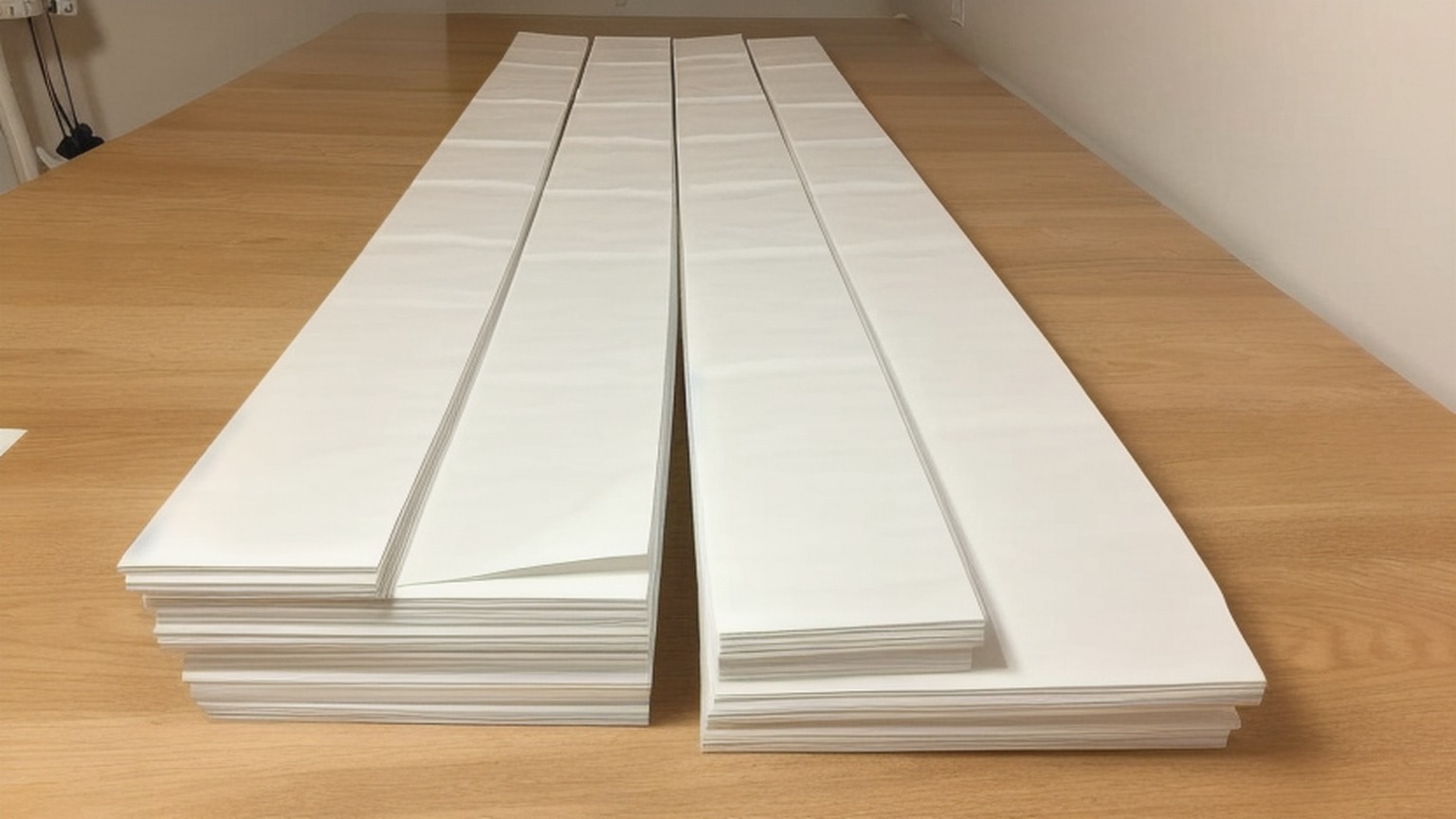
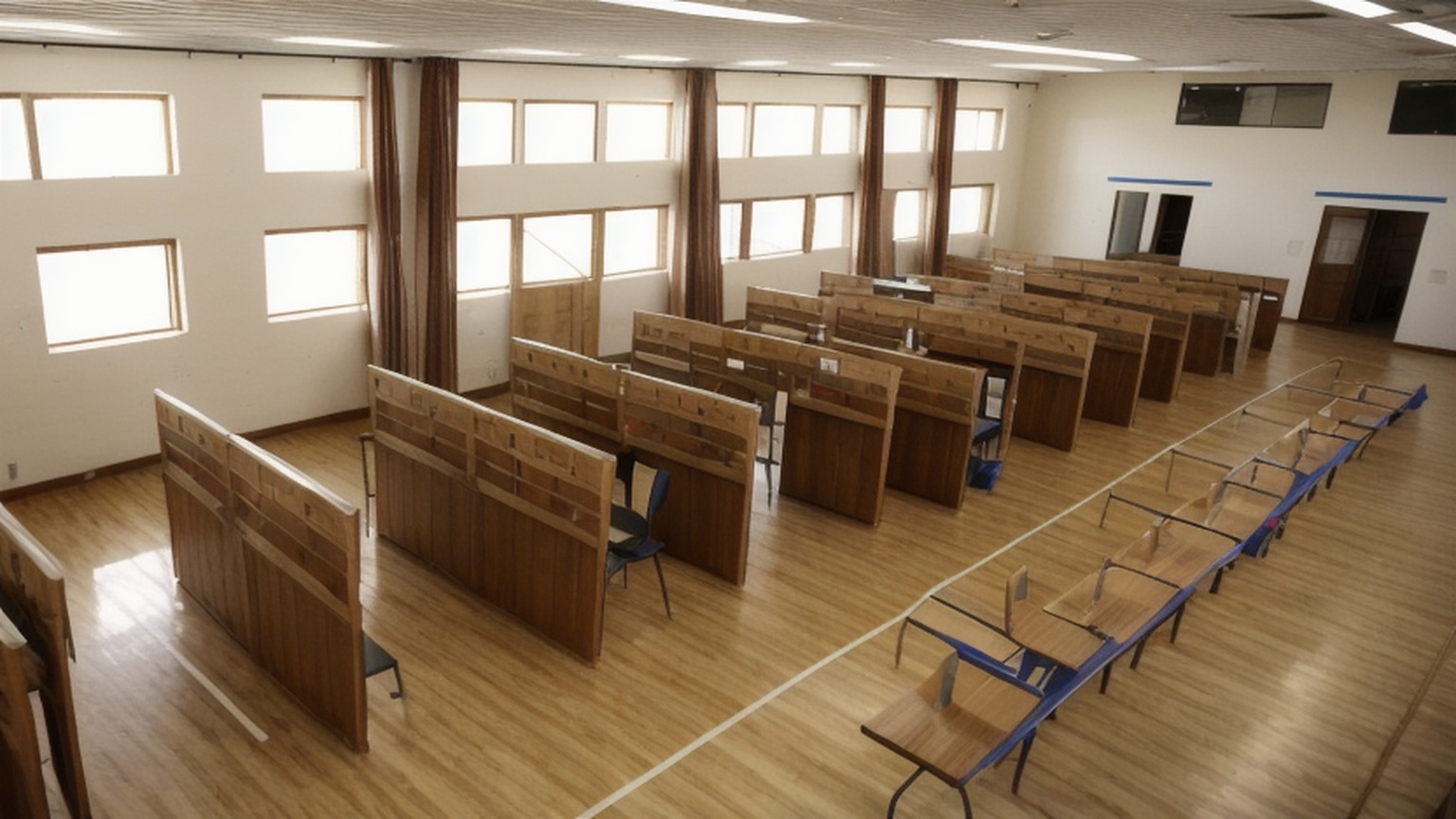
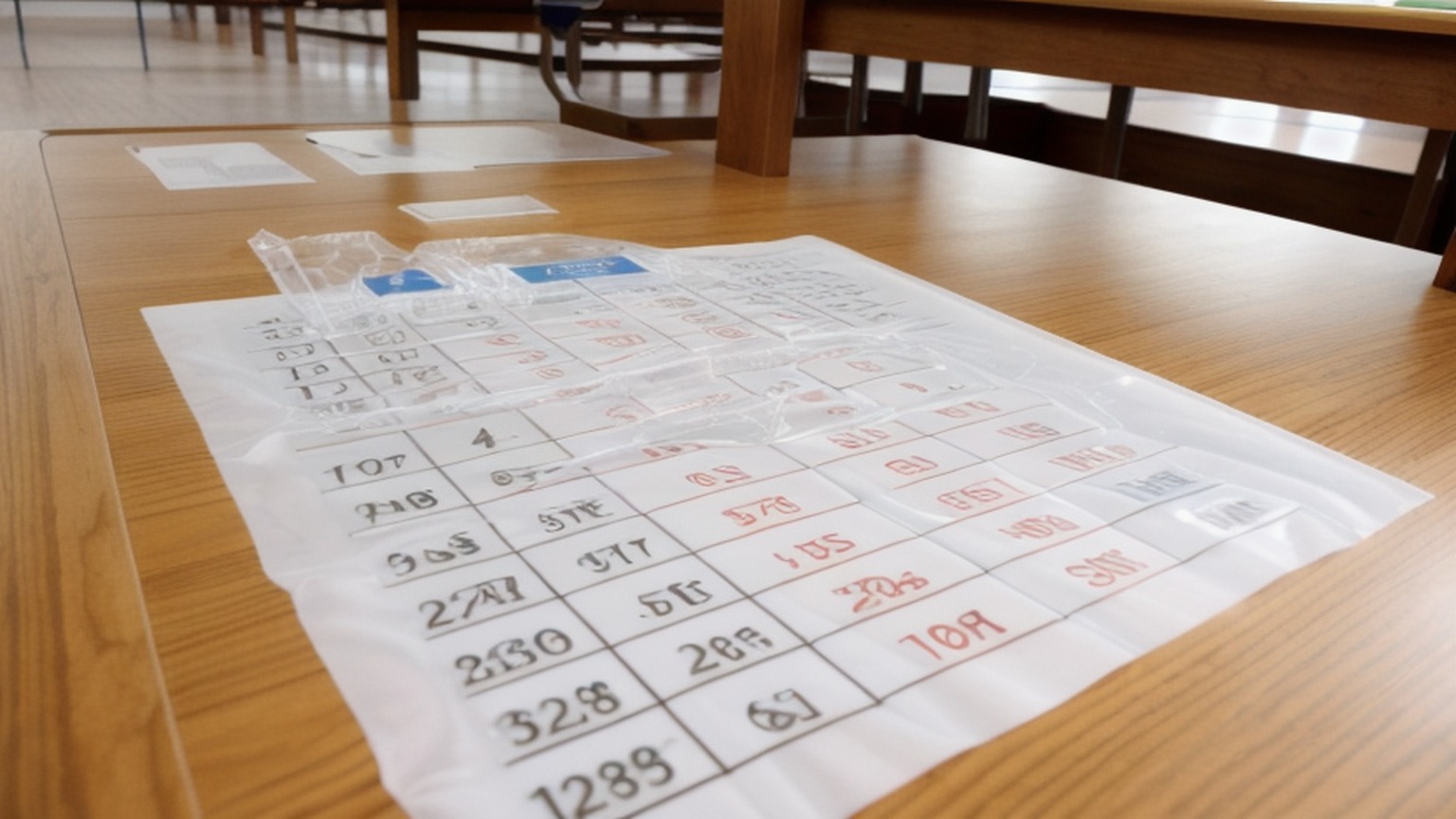
Every voting station is equipped with single-column and double-column Universal Ballot Templates, the plastic guides that let voters who read Braille find each candidate on the ballot and mark their choice without assistance. The problem lies in the double-column version, which is built to hold up to 80 candidates, numbered one to 40 down the left column and 41 to 80 down the right.
Where a station’s ballot carries fewer than 80 candidates, that numbering no longer lines up. Briefing the media at the Results Operations Centre at Gallagher Convention Centre in Midrand, Deputy Chief Electoral Officer Masego Sheburi worked through the example of a 54-candidate ballot.
“Where the number of candidates is less than 80, for example, 54 candidates – the last candidate on the left column will be 27 on the UBT. The top candidate on the right column will be 28, instead of 41, as per the current UBT template,” Sheburi said.
Read against the template without that explanation, a voter could mark the wrong line.
The Commission said it had noted the possible variation in consultation with Blind SA. It has now called on presiding officers and deputy presiding officers to familiarise themselves with the configuration of the ballot paper at their own voting station and to explain to blind voters where the first column ends and the second begins.
“The Commission calls upon all Presiding Officers and Deputy Presiding Officers to take note of this possible variation at their voting station and assist blind voters by explaining the number at which the first column of the actual ballot paper ends,” Sheburi said.
The templates exist so that visually impaired voters who are proficient in Braille can identify their choices and mark their ballots independently, without handing the decision to someone standing next to them. The Commission said its guidance is intended to ensure those voters can use the templates correctly and exercise their democratic rights without unnecessary difficulty.
The instruction places the accuracy of a blind voter’s ballot in the hands of the official at the table, and it depends on that official having checked the ballot paper in front of them before the voter arrives.
This report is drawn from SAnews (South African Government News Agency), the government’s own news service, at https://www.sanews.gov.za/south-africa/iec-clarifies-use-ballot-templates-visually-impaired-voters. The account is a summary of the Commission’s media briefing rather than the Commission’s full guidance to presiding officers.
- 1.3 million special votes cast as fake ballot-box videos spread online 2026-11-03
- 29.2 million voters, 188 000 officials, gates open at 7am: South Africa votes today 2026-11-03
- MK leader killed as 21 election dockets open and six arrested before voting day 2026-11-03
- Millions vote as 98% of stations open, but stolen ballots and protests mar local elections 2026-11-04
- Parties crowd Midrand results centre as first 2026 local election counts land 2026-11-05
- Ballot papers stolen, voters intimidated and party supporters brawling as police open 14 election cases 2026-11-05
- Northern Cape races to 87% counted as IEC warns against reading the numbers too early 2026-11-05