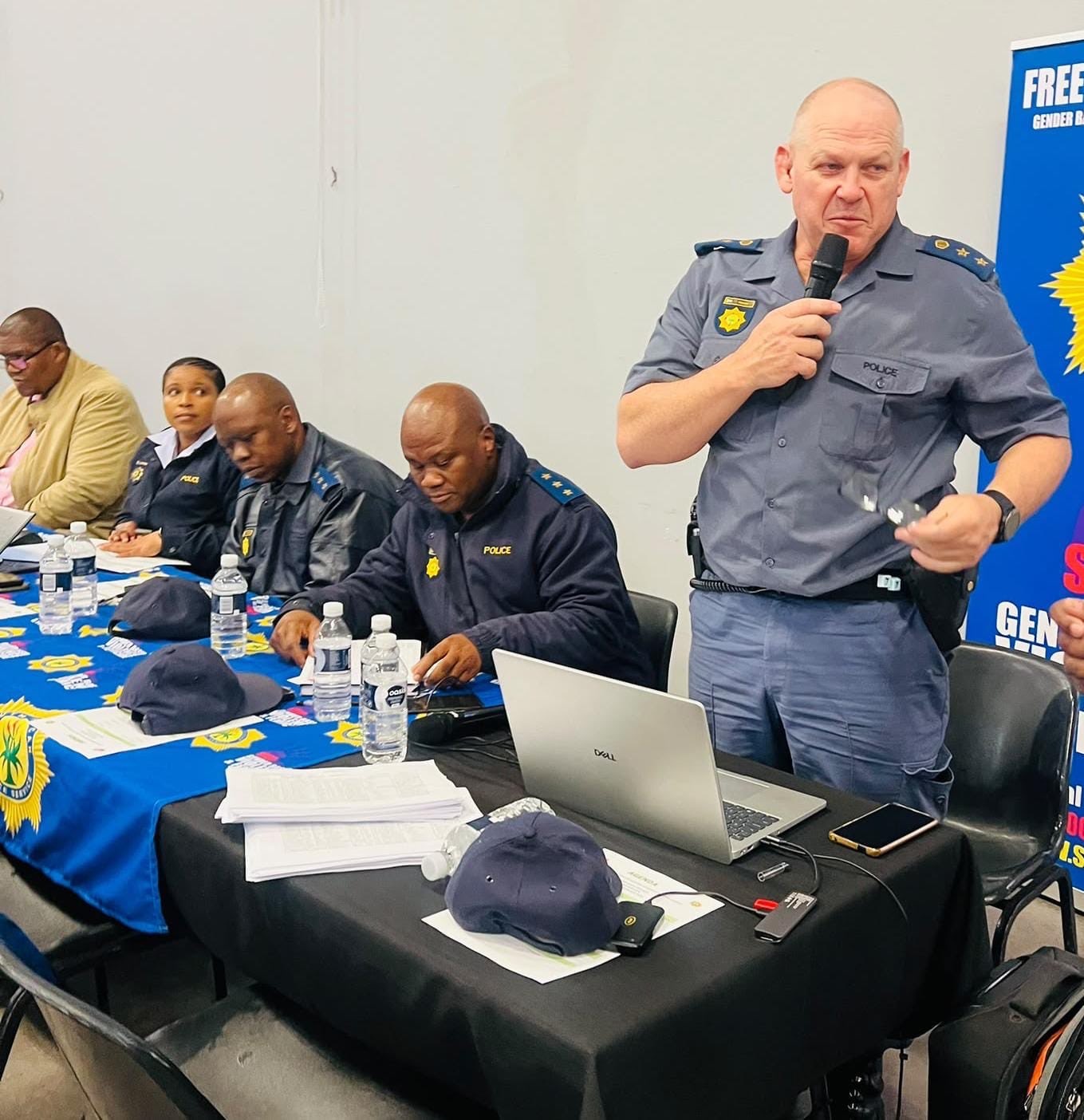
Madlanga Commission turns to ethical governance as prison gangs testimony lands
The inquiry hears from the Public Service Commission chairperson after testimony on how gangs recruit inside correctional facilities.
The Madlanga Commission sat again on Friday, turning its attention to the body that is supposed to police ethical conduct across the public service, and to testimony on how gangs have taken root inside the country’s prisons.
Public Service Commission chairperson Somadoda Fikeni was expected to appear before the inquiry in Pretoria, which is probing the alleged capture of the public sector. The commission’s remit is to monitor and investigate public administration, and to push for ethical, efficient and accountable governance.
That a sitting chairperson of the very body tasked with upholding public service ethics is being called to testify places the inquiry’s focus squarely on the machinery of accountability itself, not only on the departments it is meant to oversee.
What the inquiry has already heard
The commission has also received testimony about the growing influence of gangs inside correctional facilities. Correctional Services National Commissioner Makgothi Thobakgale testified about prison operations, and about how gangs have allegedly turned some facilities into hubs for recruiting and training inmates to become future gang leaders.
The picture that emerges from that testimony is of a parallel authority operating inside the state’s own institutions, where the reach of organised crime extends past the prison wall and back onto the street.
Why this matters for the public service
The Public Service Commission exists to hold departments to account. It monitors conduct, investigates complaints and reports on whether the state is doing what the law requires of it.
If the commission’s own leadership is being questioned before a judicial inquiry, the consequence for ordinary South Africans is direct. It is the commission that is supposed to catch the appointment that was never advertised properly, the tender that was steered, and the official who acted outside the rules. When that oversight function is under scrutiny, the public service loses one of its few internal checks.
The prison testimony carries its own cost. Gangs that recruit and train inside correctional facilities do not stay inside them. The networks built behind bars feed back into communities, which is where the violence and the extortion are eventually felt.
What happens next
The Madlanga Commission is continuing to hear evidence, with the Public Service Commission’s appearance on Friday forming part of its wider probe into the alleged capture of the public sector. Further testimony is expected as the inquiry works through the institutions under its mandate.
The commission’s findings will be its own to make, and its recommendations will go to the president. For now, the record it is building is public, and it is the record that will determine what, if anything, changes in how the state polices itself.
Source: eNCA, LIVESTREAM | Madlanga probes capture of public service
- Sharpeville survivors ask High Court to strike down 1961 Indemnity Act 2026-09-13
- Mapisa-Nqakula returns to Pretoria High Court as corruption trial resumes 2026-09-16
- Police open two Pretoria West murder dockets as search for suspects continues 2026-09-16
- Madlanga Commission hears World Bank expert on vetting of public officials 2026-09-16
- Special vote applications open 21 September for the 4 November local elections 2026-09-16
- IEC opens public comment on municipal election rule changes ahead of 4 November 2026-09-16
- Hawks arrest Limpopo fleet tender suspect over R45 million 2026-09-16
- IEC clears 136 790 candidates for the 4 November local government elections 2026-09-16
- Petrol heads for R29,54 a litre in October as Mantashe rules out relief 2026-09-17
- Didiza says 24 bills are waiting as laws take 34 months to pass 2026-09-17