Lonehill Dam comes back to life as residents cut their clean-up from five days a week to one
A community-led rehabilitation with the City of Johannesburg, local businesses and university researchers has cleared aquatic weeds, cut the smell and brought birds, terrapins and mongooses back to the Fourways dam.
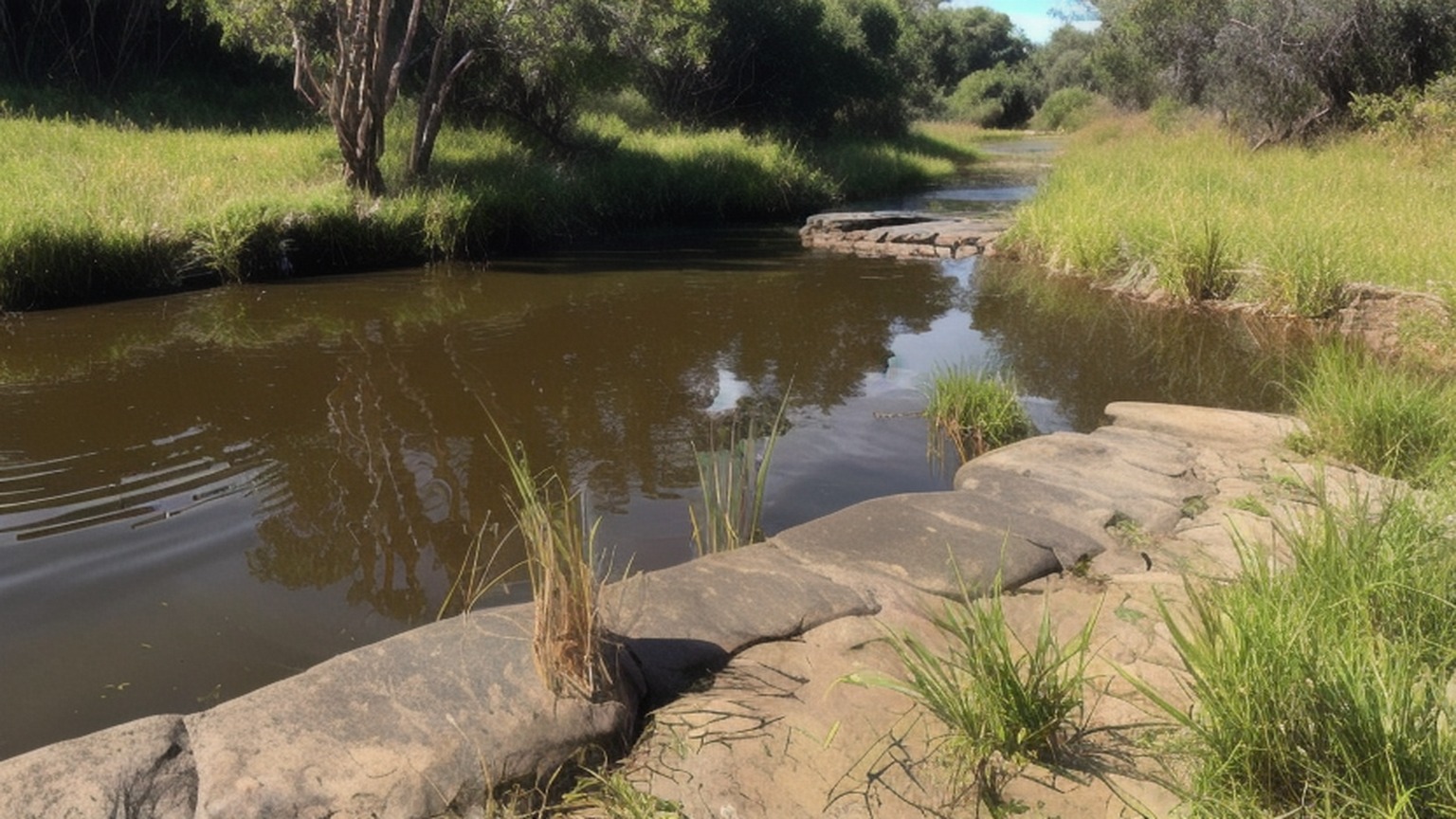
Lonehill Dam in Fourways, Johannesburg, is showing signs of ecological recovery after a community-led rehabilitation project improved water quality, cleared aquatic weeds and brought wildlife back to the area.
Until recently the dam was known for a foul smell and a surface covered in aquatic weeds. The water is now clearer, the smell has gone, and birdlife and other wildlife are returning, according to SAnews (South African Government News Agency), which reported the progress on 30 October 2026.
Deputy Minister of Water and Sanitation Dr Jack Bloom and the City of Johannesburg’s Member of the Mayoral Committee for Community Development, Thapelo Amad, walked the dam at Lonehill Park on Wednesday to assess progress. The project was started by the Lonehill Residents Association with Johannesburg City Parks and Zoo, local businesses and university researchers, with the aim of restoring the dam’s water quality and its aquatic ecosystem.
The association works with water specialists SOURCE (Solutions for Our Collective Environment), a non-profit project management cooperative, and its water rehabilitation initiative Mobile Blue, led by Mark McClue and Kyle Odgers. The rehabilitation combines technology with nature-based solutions. Bioremediation uses beneficial microbes to break down years of accumulated organic waste and sewage while activated charcoal absorbs toxins. Nanobubble technology introduces microscopic oxygen-carrying bubbles into the water to lift oxygen levels and support the breakdown of organic waste.
According to the residents’ association, the dam has stayed free of aquatic weeds for five months, and dissolved oxygen saturation levels have been held between 75% and 78%, with further improvement expected as harmful nutrient levels fall. Herons and other bird species have returned, fish are more active, and terrapins, mongooses and crabs have been spotted.
The workload has changed too. The association used to work at the dam five days a week for eight months of the year. It now needs to do maintenance once a week.
The effect reaches past Lonehill. The dam takes water through 11 inlets, including runoff from a nearby shopping centre and residential estates, and its outflow feeds into the Jukskei River and Hartbeespoort Dam. Improving water quality here therefore carries potential benefits for the wider catchment. Sustained rehabilitation will also depend on dealing with the sources of sewage and other pollution entering the water system.
Bloom welcomed the progress and held the project up as a model. “This is what I want to encourage: these public-private partnerships, and it is a model for elsewhere. This is a pilot project. If we can clean up this dam, you can clean up other dams, other waterways, and clean up all our rivers. This is quite exciting, and hopefully we replicate this elsewhere,” he said.
Amad said the city welcomes public-private partnerships and encourages active citizenry. “We have embarked on a number of initiatives that have allowed for the adoption of facilities and public open spaces, expanding the reach and impact of municipal services, while creating opportunities for communities to participate in their own development. We believe stakeholder engagement fosters good governance and that by joining hands we can transform our city,” he said.
Odgers said the rehabilitation is helping restore the aquatic ecosystem with many partners, which allows more sensitive biodiversity to survive and thrive “as we digest the years of sludge and sewage.” McClue stressed the importance of tackling pollution at its source: “Any positive change at source makes an impact downstream.”
Nadeem Abrahams, environmental manager at the Lonehill Residents Association, said the project had shown the value of the partnership between residents and the city. “We have managed to bring the water back to life,” he said.
Johannesburg City Parks and Zoo’s executive manager for environmental conservation, Lombard Shirindzi, also welcomed the progress and described the collaboration as a “well-functioning partnership”.
The walkabout brought together the Department of Water and Sanitation, the City of Johannesburg, Johannesburg City Parks and Zoo, the Lonehill Residents Association, the Jukskei Catchment Forum and ARMOUR NPO, including participants in its community Water and Waste Warrior Legacy programme. Local councillor David Foley attended.
Agricultural Research Council researcher Dr Kyle van Heyde, who has been monitoring the dam’s water quality and sediment build-up, handed water-testing kits to the residents’ association and community Water Warriors to support accurate testing. The data will feed into a larger water database to support education and knowledge about water quality across the city.
This report is based on the SAnews account of the project at https://www.sanews.gov.za/south-africa/partnership-breathes-new-life-lonehill-dam, which summarises the rehabilitation and the walkabout rather than reproducing the underlying monitoring data.
- Cape Town's opposition leader in council quits his seat 13 days before the election 2026-10-25
- Army sent to KwaZulu-Natal as asylum ruling unrest builds toward the 4 November vote 2026-10-27
- Ramaphosa sends 510 soldiers to KwaZulu-Natal as anti-immigration protests build before the 4 November vote 2026-10-27
- Police block March and March at Berea station as Moore Road march ends in a wall of officers 2026-10-27
- Ramaphosa sends 510 soldiers into KwaZulu-Natal to stop the violence 2026-10-27
- Police block March and March at Berea as Durban marchers demand action over motorcycle attack 2026-10-27
- Durban and Soweto burn as anti-migrant marches spread, Ramaphosa sends 510 soldiers to KwaZulu-Natal 2026-10-27
- March and March tells Durban crowd: don't vote ANC on November 4 2026-10-27
- How a protest march gets stopped: the interdict, the route and the right to march 2026-10-27
- 21 months of marching, then Jacinta Ngobese-Zuma tells Durban: vote out the ANC 2026-10-27