Horse sickness shuts Cederberg movement as Western Cape races to trace outbreak
One horse has tested positive for African horse sickness serotype 7 inside the country's Protection Zone, and no permits will be issued to move horses out of the affected area while tracing continues.
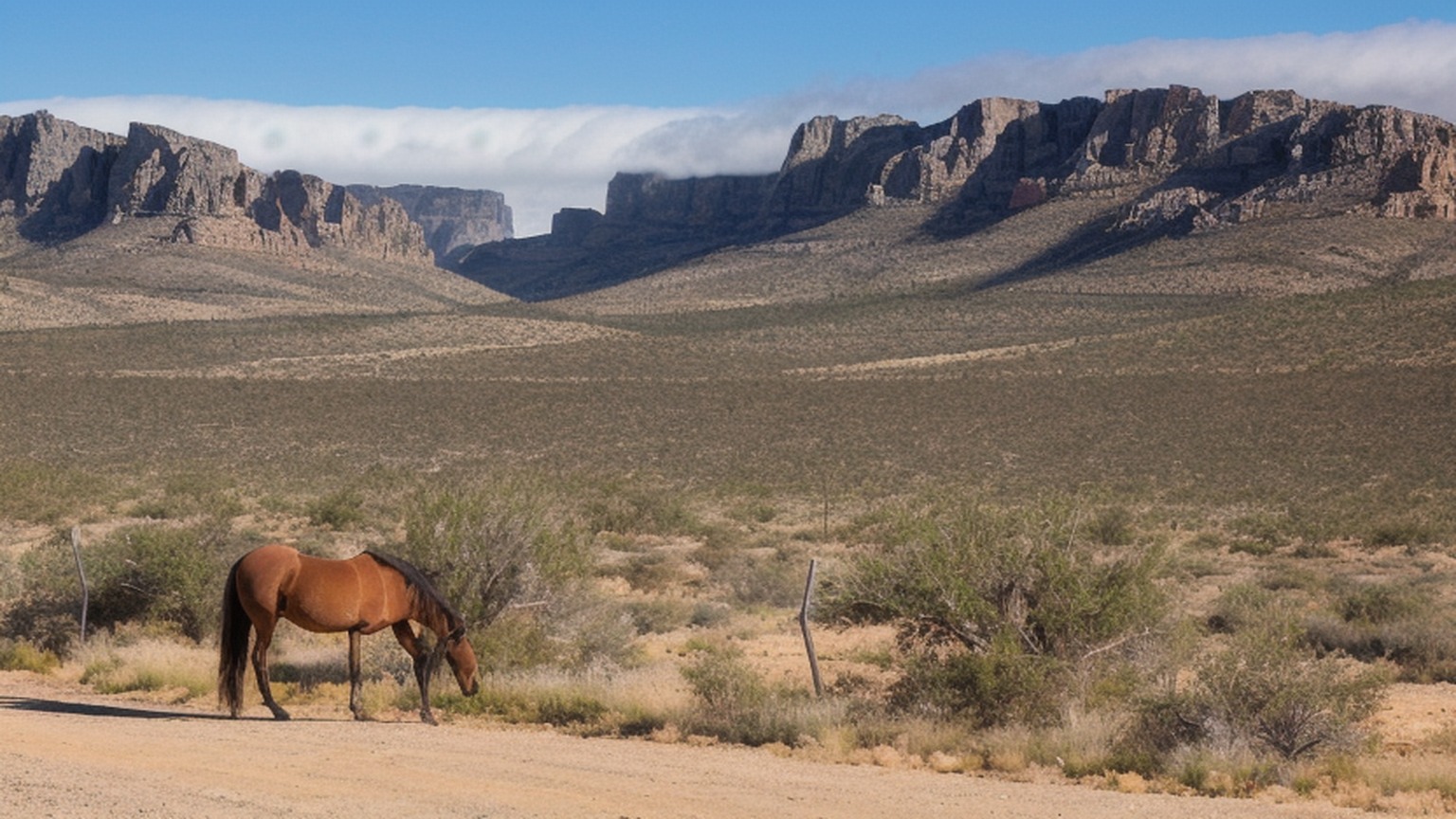
A single horse on a property in the Cederberg Local Municipality in the Western Cape has tested positive for African horse sickness, and no permits will be issued to move horses out of the affected area while investigations and surveillance continue.
The Department of Agriculture confirmed the case on Friday. Laboratory tests by the University of Pretoria’s Veterinary Genetics Laboratory found AHS virus serotype 7 on the property, which sits inside South Africa’s established AHS Protection Zone.
Agriculture Minister Willie Aucamp said the case was picked up through the country’s veterinary surveillance systems, which allowed authorities to move quickly.
“The swift detection of this case in the Cederberg Local Municipality is a good example of how South Africa’s veterinary surveillance system works. As a result, the authorities were able to move quickly to the affected area and take the required stringent actions as stipulated in the Animal Diseases Act and deploy containment protocols,” Aucamp said.
Under the Animal Diseases Act, 1984 (Act 35 of 1984) and the Western Cape Department of Agriculture’s AHS contingency plan, an outbreak containment area has been established and movement controls put in place. Horse movements within the controlled area ordinarily require a permit from the State Veterinarian: Boland. For now the department has advised that none will be issued for horses leaving the affected area.
Veterinary Services, working with authorised veterinarians and industry partners, has begun intensive surveillance, tracing and census work to establish how far the outbreak reaches and whether there are further cases.
The department has asked equine owners in the controlled area to cooperate with Veterinary Services and to report animals showing signs consistent with AHS, including unexplained fever, swelling of the head or neck, breathing difficulties or sudden death.
Owners are also urged to protect horses against Culicoides midges, which transmit the disease. The department’s recommended measures are stabling horses where possible from two hours before sunset until two hours after sunrise, avoiding low-lying and wet areas, and using registered insect repellents and insecticides appropriately.
The department has strongly discouraged AHS vaccination at this time. It says the currently registered vaccine is live-attenuated, and that vaccinating while midges are active could let the vaccine strain spread and potentially worsen the situation.
“While there is no proof of large-scale disease activity outside the said property, the department is focused on total vigilance and calls on all horse owners to refrain from AHS vaccination during this period. Veterinary Services will continue to monitor the situation closely and will provide updates as additional information becomes available,” Aucamp said.
The department said international trade partners will be notified of the outbreak, with further information on the implications for international trade to be provided in due course. Updates on containment measures, movement restrictions and permits will be issued by the Western Cape Department of Agriculture. Further information is available from Veterinary Services and at www.myhorse.org.za.
This report is based on the Department of Agriculture’s account as carried by SAnews (South African Government News Agency): https://www.sanews.gov.za/south-africa/african-horse-sickness-confirmed-western-capes-cederberg