Gauteng clears 21 of 67 GBVF directives as police forensic backlogs hold up rape and murder cases
Premier Panyaza Lesufi's update, 33 days into the President's 90-day deadline, says 38 directives are underway and eight have not started, with forensic backlog measures still outstanding.
Gauteng has completed 21 of the 67 directives it set itself to strengthen the provincial response to gender-based violence and femicide, with a further 38 underway and eight not yet started, Premier Panyaza Lesufi reported on Sunday.
The update lands roughly 33 days into the 90-day period President Cyril Ramaphosa set after his address to the nation on 29 September, in which he called for urgent action on the country’s GBVF crisis. The President issued four directives: resolving outstanding cases of murder, attempted murder, rape and serious sexual offences against women and children, clearing forensic laboratory backlogs, conducting municipal safety audits in high-risk areas, and developing a coordinated plan to reduce alcohol-related violence.
After an urgent Intergovernmental Relations meeting on 2 October, the Gauteng Provincial Government turned those four into a Provincial Implementation Plan and added a fifth priority of its own, strengthening places of safety and support services for survivors. The 67 directives are that plan’s working list.
The province says four directives that previously recorded no progress have moved into implementation since a mid-October review, and that a weekly tracking and reporting system now monitors progress from municipal level through provincial structures to national government.
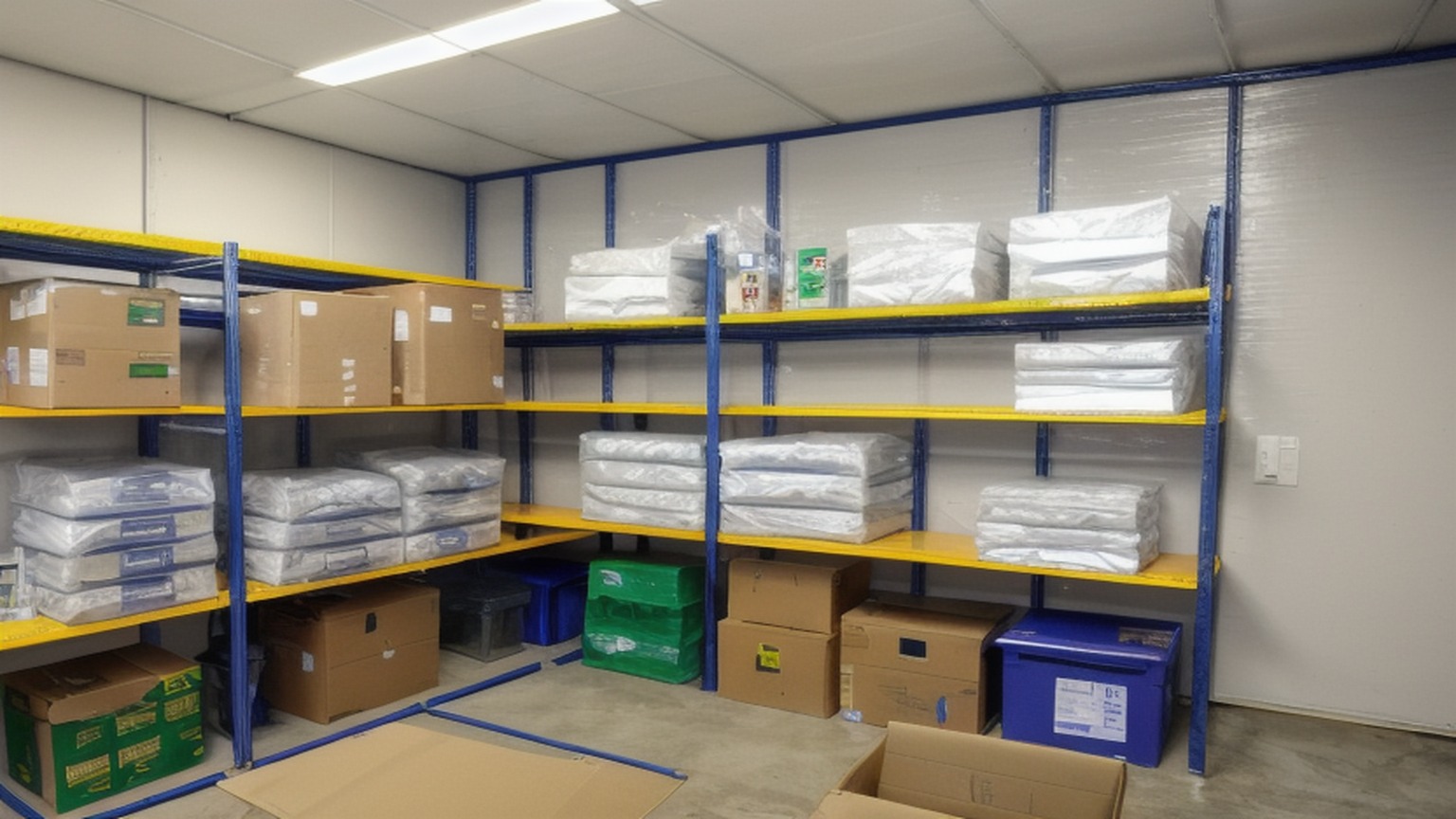
On the casework, Gauteng has recovered crime kits from Thuthuzela Care Centres across all five districts and submitted them to the Forensic Science Laboratory for processing. Investigating officers are now required to carry crime kits to medical examinations so that forensic evidence is not left behind and examinations are not delayed. The province is also working to reduce forensic waiting lists, improve compliance with police station intake procedures, recover lost dockets and strengthen monitoring of missing-persons cases.
Three deliverables on the forensic backlog have been finalised, including an Identification Task Team to conduct a digital fingerprint audit of unidentified women and children. Priority DNA and forensic samples relating to cases of rape and the murder of women and children have been secured for focused attention.
Still outstanding is the bulk of the backlog work. A forensic backlog baseline assessment, age profiling, costed backlog reduction measures and the ring-fencing of priority samples are targeted for completion by early November, which leaves little room before the 90-day clock runs out.
The province acknowledged that challenges remain, particularly on forensic backlogs, outstanding case recovery information and the pace of municipal safety interventions. “Protecting our women and children is an absolute priority that demands immediate action, as delayed justice is no justice at all,” the provincial government said.
On municipal safety audits, seven critical municipal tasks are complete. Johannesburg, Tshwane and Ekurhuleni are reported as fully compliant with safety standards and are submitting regular progress reports. In Johannesburg, major risk zones have been mapped and 10 previously hijacked or illegally occupied buildings have been prepared for public reuse. Tshwane has cleared overgrown vegetation around high-risk transit stations to improve commuter safety. Ekurhuleni has inspected all local taxi ranks and identified broken CCTV systems for repair. Municipalities in the West Rand district have catalogued high-risk structures and neglected public spaces.
Safety audits are between 60% and 80% complete in most municipalities, with local governments entering the final assessment phase. The province says urgent hazards found in the audits will be repaired or built into funded action plans within 90 days, and that detailed audit results will be published online for public monitoring.
On alcohol-related violence, three of the eight directives are complete and the remaining five are in implementation. Officials have conducted 7,322 liquor outlet inspections, closed 20 outlets, issued 459 non-compliance notices and referred 566 outlets to the Liquor Inspectorate for further compliance inspections. A further 41 joint enforcement operations have been run with stakeholders. The province has submitted strategic inputs on the proposed Liquor Bill, and specialised warden training is scheduled to begin in early November. Enforcement will continue to target unlicensed outlets, repeat offenders and illegal trading beyond permitted hours.
On survivor support, Gauteng counts 18 shelters providing 363 beds, seven Thuthuzela Care Centres and expanded psychosocial support services, which the province says reached tens of thousands of people over the past six months. New referral tools have been introduced across all 43 protection-order courts. Visible policing has been intensified in high-risk areas, technical problems with the e-Panic Button application have been resolved, and integrated CCTV networks have been expanded with survivors’ privacy protected. Men’s programmes, trafficking support initiatives and partnerships with civil society and the private sector continue.
The province reiterated its commitment to transparent reporting, better coordination between provincial and national leadership, and turning the interventions into outcomes that protect women and children and bring perpetrators to justice.
This report is based on the provincial government’s published update as carried by SAnews (South African Government News Agency) at https://www.sanews.gov.za/south-africa/gauteng-reports-progress-implementing-gbvf-directives, which is a summary of the province’s account rather than the underlying directive-by-directive record.