Five killed in Blode Street, then a family kept brain tissue in a fridge
SAPS says its officers followed crime-scene protocols in Lavender Hill and only learned of the stored biological material after a Sunday night broadcast, as ActionSA's Dereleen James stands by her account of what the family was left to collect.
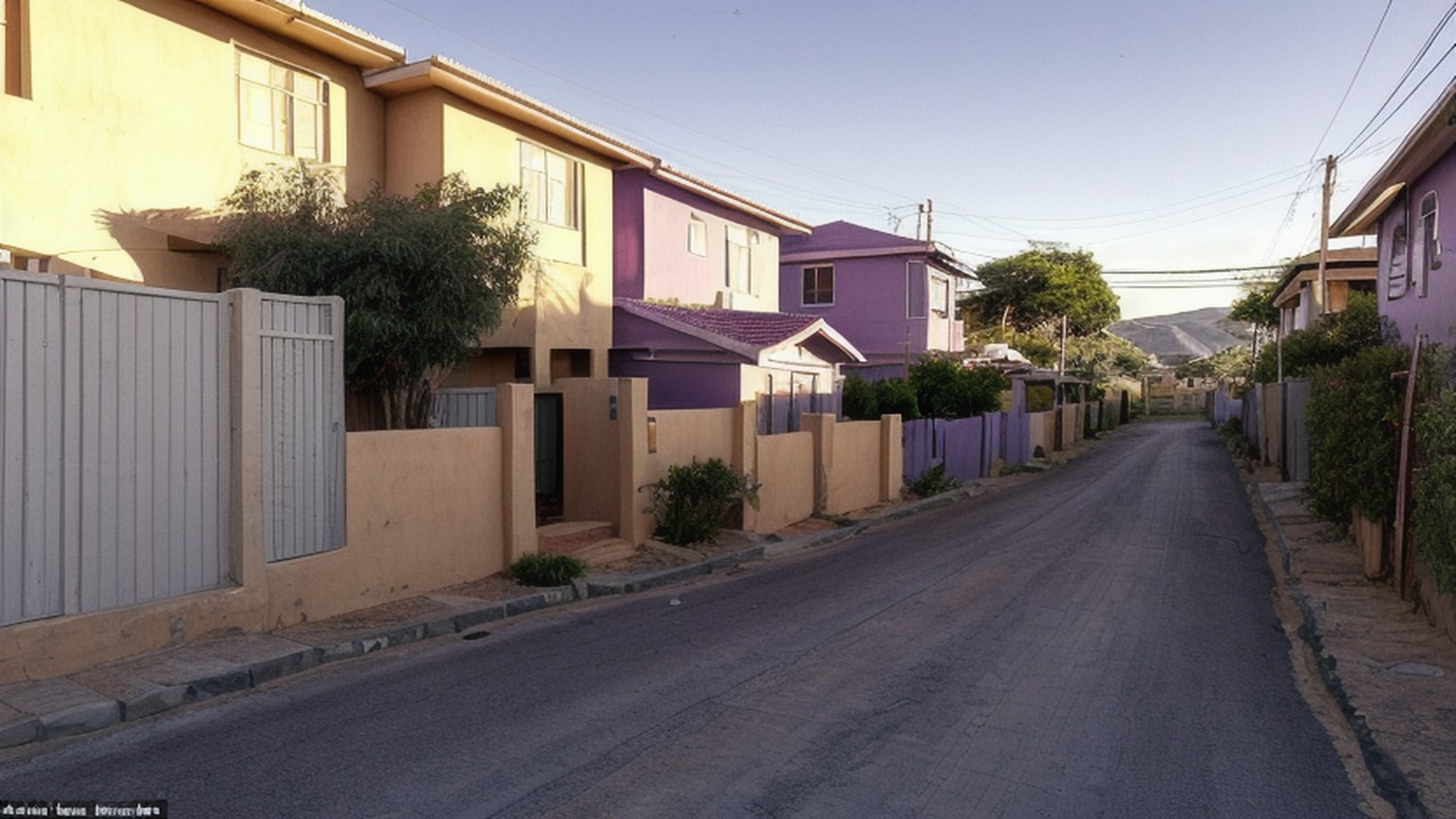
Five people were killed and three wounded in a shooting in Blode Street, Lavender Hill, on the evening of Saturday, October 24. What happened to the house afterwards is now the subject of a public dispute between the South African Police Service in the Western Cape and ActionSA’s Dereleen James, an MP and Cape Town mayoral candidate.
As IOL reported on October 28, SAPS issued a statement denying negligence at the scene, and James has alleged that police did not complete the clearance of the property. In a video statement posted to social media, she said pieces of a victim’s brain tissue were left behind, that the family collected them, and that they were stored in a domestic refrigerator.
Western Cape SAPS spokesperson Brigadier Novela Potelwa set out the police account of the sequence. Crime-scene management teams took control of the premises on the Saturday evening and collected forensic evidence in line with SAPS protocols, she said, before handing the scene to the Western Cape Department of Health’s Forensic Pathology Services for the removal of the deceased. At no stage during that initial processing, according to Potelwa, were officers alerted to uncollected biological material left behind by health officials.
Senior provincial SAPS leadership visited the scene on the Sunday afternoon to inspect deployments and speak to the affected families. Potelwa said no mention of uncollected biological material, or of stored remains, was raised during that visit.
Police say they first learned of the claim from an SABC news broadcast on the Sunday evening carrying James’s comments. On Monday, October 26, officers returned to the Blode Street home to verify what had been said. Having confirmed that the family had stored material in their domestic refrigerator, police dispatched Forensic Pathology Services, who removed it from the residence.
Potelwa was careful about what the material was. Determining its precise nature falls outside police jurisdiction, she said, and “what human body part or tissue that was will be best answered by the relevant medical authorities.”
She said the focus remains on bringing those responsible for the shooting to justice, and that the pain of the grieving families should not be taken lightly.
The split in the accounts is narrow and specific. SAPS does not dispute that material was in the house or that a family kept it in a fridge. Its case is that its own teams cleared the scene under protocol, that the handover to Forensic Pathology Services put the removal of remains in that service’s hands, and that nobody raised the matter with officers until it surfaced in a broadcast. James’s case, made publicly, is that the clearance was incomplete and that a grieving family was left to deal with what remained.
For readers outside the Cape Flats, Lavender Hill is a densely built neighbourhood on the southern edge of Cape Town where a single street shooting can kill five people in an evening. The mechanics that follow such a killing are less familiar. Crime-scene management and forensic pathology are two separate functions with a handover between them, and the dispute here sits precisely on that seam: who owns the house once the bodies are removed, and who is responsible for anything left in it.
That question matters beyond this case. Families in communities where shootings are frequent are the people who end up living in the property afterwards, and they are the ones who notice what the state has left behind. Whether a complaint reaches the police through a station, a community forum or a broadcast shapes what happens next, and in this instance the return visit and the retrieval came after the broadcast, not before it.
The five dead and three wounded are the centre of the story, and no arrest or prosecution has been disclosed in the material available. The tissue has been removed from the house. The question of how it came to be in a family’s refrigerator is now a matter of competing public accounts, and the medical authorities, by the police’s own statement, are the ones who can say what it was.
- Cape Town's opposition leader in council quits his seat 13 days before the election 2026-10-25
- Army sent to KwaZulu-Natal as asylum ruling unrest builds toward the 4 November vote 2026-10-27
- Ramaphosa sends 510 soldiers to KwaZulu-Natal as anti-immigration protests build before the 4 November vote 2026-10-27
- Police block March and March at Berea station as Moore Road march ends in a wall of officers 2026-10-27
- Ramaphosa sends 510 soldiers into KwaZulu-Natal to stop the violence 2026-10-27
- Police block March and March at Berea as Durban marchers demand action over motorcycle attack 2026-10-27
- Durban and Soweto burn as anti-migrant marches spread, Ramaphosa sends 510 soldiers to KwaZulu-Natal 2026-10-27
- March and March tells Durban crowd: don't vote ANC on November 4 2026-10-27
- How a protest march gets stopped: the interdict, the route and the right to march 2026-10-27
- 21 months of marching, then Jacinta Ngobese-Zuma tells Durban: vote out the ANC 2026-10-27