Eskom wants 8,83% more for electricity, and the poorest households may pay the most
AfriForum, ActionSA and the Better Governance Initiative are all objecting to Eskom's tariff application before NERSA's 2 October comment deadline, with ActionSA arguing that a 350kWh household could face an effective 11,02% increase.
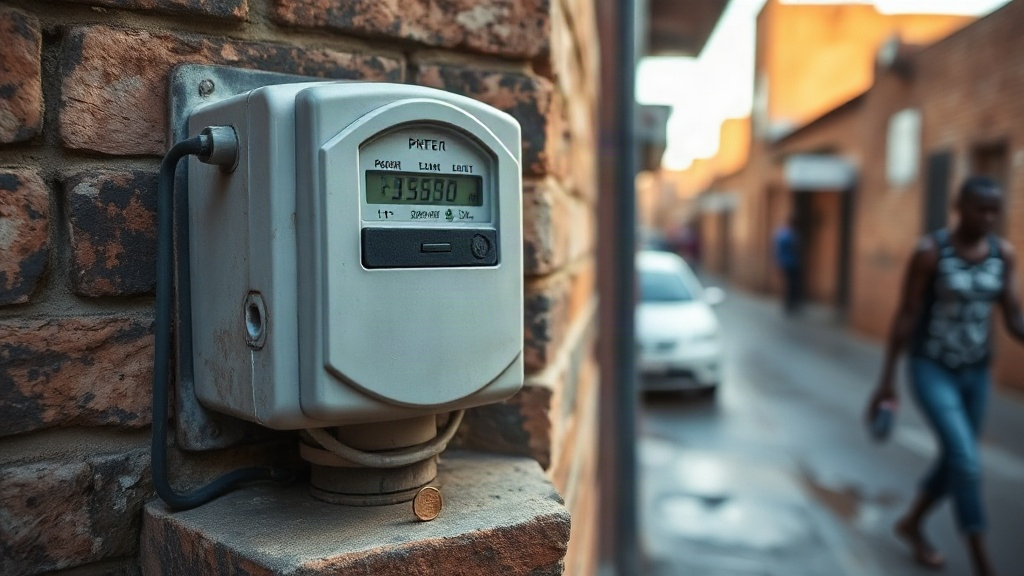
Eskom has applied to the National Energy Regulator of South Africa for an 8,83% increase in tariffs for its direct customers, and a group of civic organisations, a lobby group and a political party are all using the public comment window to argue that households and small businesses cannot carry another rise.
As IOL reported on 25 September, the comment period closes at 4pm on 2 October 2026. NERSA has scheduled a virtual public hearing for 8 October from 9.30am to 1pm. Anyone wanting to attend or make a presentation must submit a request by 4.30pm on 2 October.
If approved, the 8,83% increase for Eskom’s direct customers would take effect in April 2027. Municipal bulk purchases would rise by 8,84% from July 2027, which means the increase reaches households that buy their electricity from a municipality rather than directly from Eskom, though the timing differs.
The Better Governance Initiative has launched a petition against the application. Its founder and director, Sabelo Chalufu, said electricity is taking a growing share of household and business budgets.
“Residents simply cannot afford a further increase in the price of electricity,” Chalufu said. “Our main concern is the cost of living and doing business, to residents primarily and small businesses secondarily. Electricity is consuming an ever-increasing proportion of our budgets, and it is hitting those most in need the hardest.”
The BGI is asking NERSA to reject the increase outright. Its argument is that Eskom has shown it can operate sustainably on the tariff increases NERSA has already approved.
AfriForum will submit formal comments opposing the increase. Morné Mostert, its local government affairs manager, questioned the application against the background of falling electricity sales and Eskom’s multibillion-rand profit.
“Electricity sales fell by 6.2%, yet its revenue increased because of ridiculously high tariffs. Now Eskom wants to raise tariffs above inflation, again,” Mostert said.
He warned that higher tariffs would push more households and businesses towards solar and other forms of self-generation, reducing reliance on Eskom further. “Consumers are buying less electricity but paying more for it,” he said.
ActionSA Gauteng has entered the consultation process with a different emphasis. Rather than the headline number, the party is focused on how Eskom recovers revenue across its customer base.
Gauteng provincial chairperson Funzi Ngobeni said the proposed structure could leave lower-consumption households facing a larger effective increase than heavier users.
“The average increase does not tell the whole story. What matters is what people actually end up paying,” Ngobeni said.
ActionSA said a Homepower 4 household using 350kWh could face an 11,02% increase, compared with 7,32% for a household using 1 500kWh. That gap is the practical detail a reader should carry into the comment period. The average is not what a small household pays.
The party also questions an R8,569 billion gap between Eskom’s proposed revenue figure and the approved figure. Ngobeni was careful about what that gap does and does not establish. “We are not saying that this automatically means Eskom is unlawfully over-recovering R8.569 billion,” he said. “The information before us does not establish that.”
Matthew Cruise, an energy analyst at Jaltech and a management committee member of the South African Independent Power Producers Association, said affordability has to be weighed alongside Eskom’s financial obligations, including its debt and the investment its infrastructure needs.
“NERSA therefore needs to scrutinise not simply whether Eskom requires additional revenue, but whether the costs being recovered from consumers are efficient, reasonable, and allocated fairly between different customer groups,” Cruise said.
He also pointed to the risk that rising prices accelerate the move away from the grid. “As electricity becomes more expensive, customers who can do so increasingly invest in efficiency, solar, batteries, and other forms of self-generation,” he said.
That is the tension NERSA has to weigh. A tariff increase raises revenue per unit sold, but it also encourages the customers who can afford alternatives to leave, which leaves a smaller base carrying the same fixed costs.
NERSA has said the comments it receives will be considered when it makes its decision. The regulator has not indicated when that decision will be announced.
For a household deciding whether to comment, the useful facts are these. The window closes at 4pm on 2 October. The hearing is on 8 October. The increase, if granted, lands in April 2027 for direct Eskom customers and July 2027 for municipal bulk purchases. And the effective increase depends on how much electricity a household uses, not on the average.
Source: IOL, Pushback grows against Eskom’s proposed tariff increase, raising affordability concerns