eNCA panel asks why South Africa counts gender-based violence but never asks what drives it
A CheckPoint Podcast discussion argues the country releases numbers on violence against women without examining the patterns underneath them, and points to men's homicide rates in the Eastern Cape and Western Cape as questions nobody is asking.
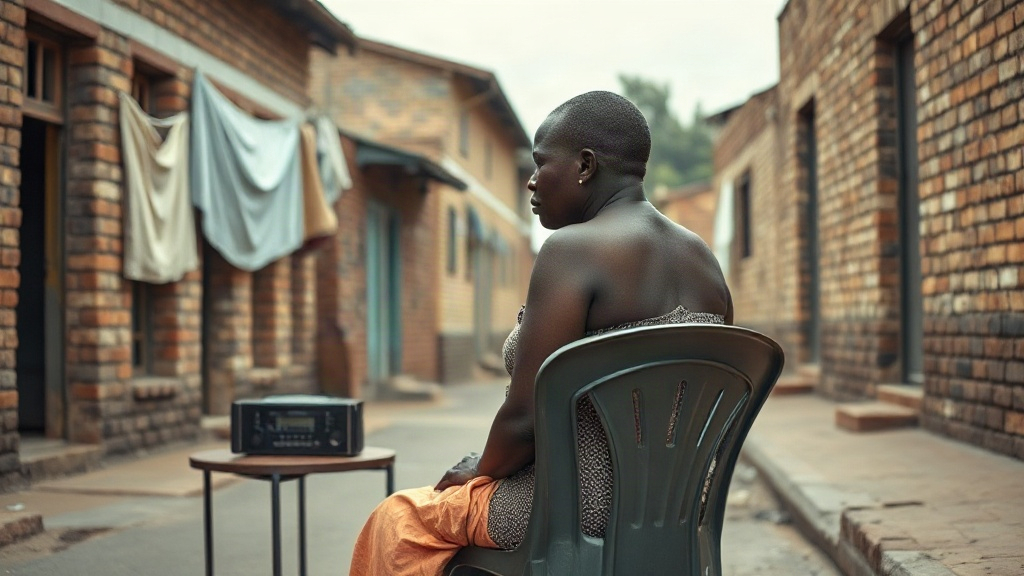
South Africa is good at producing numbers on violence against women and poor at asking what sits underneath them, a panel on eNCA’s CheckPoint Podcast has argued, in a discussion that turned on a question the country rarely puts to itself: whether the way men kill each other and the way men kill women are connected.
The broadcast, published on 26 September under the title “GBV In South Africa: Are We Fighting The Problem Or Just Naming It?”, took as its starting point a criticism of how the country talks about gender-based violence. The panel said the national conversation is not good at asking deeper questions, that it looks at patterns too rarely, that it releases numbers without examining what is underneath them, and that it does not track historical trends.
It also challenged the habit of treating South Africa as one place. The country is made up of areas with very different histories, very different socioeconomic circumstances and very different politics, the discussion noted, and those differences shape what happens on the ground.
That argument was given a concrete example. Men’s homicide rates are highest in the Eastern Cape, followed by the Western Cape, according to the broadcast. The panel framed the obvious next question as one that is not being asked: is there a relationship between men’s violence towards each other and violence towards women? Do the two influence each other, or is something else influencing both?
The Eastern Cape case was used to press the point. Much of what drives murder in that province appears to be organised crime, including battles over taxi routes and transport, the panel said. From there it raised a chain of questions rather than conclusions. Does that violence spill over into men’s relationships with their female partners? Are men who would not previously have had access to guns now getting illegal guns as firearms flow into the Eastern Cape, and using them against their partners? Or has the system of firearm licensing broken down in those provinces, with unsuitable men being granted licensed firearms?
These are the questions that should be asked, the panel said. It then asked why they are not being asked, and whose responsibility it is to ask them.
The broadcast offered no answer to that final question and named no individual as responsible. It also named no person in the discussion, and it stated no figures beyond the provincial ranking of men’s homicide rates.
What it leaves is a set of testable propositions rather than findings. Whether firearm licensing has broken down in specific provinces, whether illegal guns are reaching men who then use them against partners, and whether organised crime and intimate violence share drivers are all open questions in the broadcast’s own framing. The panel’s central claim is narrower and harder to dispute: that the country counts, and does not investigate.
Source: eNCA (YouTube), CheckPoint Podcast | GBV In South Africa: Are We Fighting The Problem Or Just Naming It?