Eastern Cape and Gauteng activists put municipal delivery on the ballot
Ahead of the 2026 local government elections, three community organisers used a national broadcaster's panel to say voters should judge councils on water, housing and accountability, not on campaign promises.
As SABC News reported on 27 September, community activists from three of South Africa’s most pressured urban areas have put municipal performance at the centre of the coming local government elections.
The broadcaster brought together Bohlale Buzani, a community activist from Mdantsane in the Eastern Cape under Buffalo City Municipality, Thapelo Mohapi of Abahlali baseMjondolo, and Advice Chuma from Alexandra Township in Gauteng. The panel’s question was straightforward. What should voters expect from their local leaders, and what should communities demand from those seeking their support?
Their answers, as set out in the broadcast, turn on three things: reliable basic services, leadership that responds, and real opportunities to improve livelihoods. Those are the standards the panellists want residents to apply when they decide who runs their councils after the 2026 municipal polls.
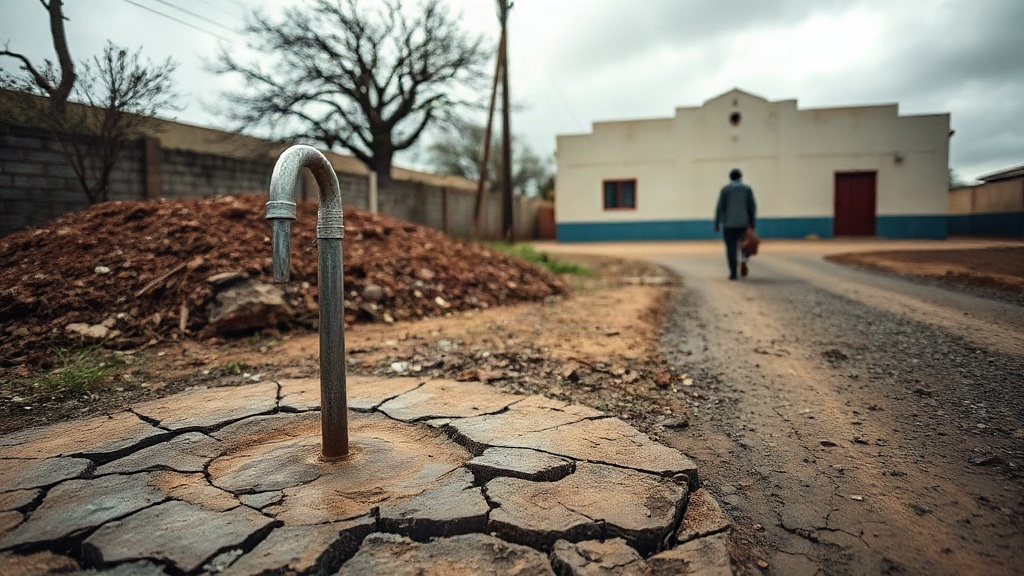
Local government is where most South Africans meet the state. Municipalities are responsible for water, sanitation, electricity distribution in many areas, refuse collection, roads, stormwater, planning and local economic development. When those functions work, daily life works. When they do not, residents notice within hours, not years.
The three areas represented on the panel carry different but recognisable pressures. Mdantsane is one of the largest townships in the country and falls under Buffalo City, a metro with a long industrial history and a large peri-urban footprint. Alexandra is a densely built, historically under-serviced township on the edge of Sandton and the Johannesburg CBD, where overcrowding stretches every pipe and power line. Abahlali baseMjondolo organises among informal settlement residents and has spent nearly two decades pressing for land, housing and services.
Elections for South Africa’s municipalities are held every five years under the Local Government: Municipal Electoral Act and the Municipal Structures Act. The 2026 round will be the seventh since the democratic local government system was established in 2000. Voters elect ward councillors and proportional representation councillors, and those councils then choose mayors and committee chairs who control budgets and service delivery plans.
That is why the panel’s framing matters beyond the studio. A council election is not only a contest between parties. It is a decision about who signs off on a water reticulation budget, who approves a housing waiting list, who answers when a pump station fails, and who sets the tariffs residents pay.
A reader who never saw the broadcast can still take three practical points from it. First, ask candidates for a specific plan on the services your household actually uses, not a general promise. Second, ask how they will be held to it, including through ward committee meetings, council oversight and public participation processes that municipalities are legally required to run. Third, ask what they will do about the revenue side, because a council that cannot collect what it is owed cannot fund the repairs residents are demanding.
None of that removes the responsibility of national government, which sets the funding framework, or of provincial governments, which oversee municipalities. But the activists’ argument is that the local vote is the most direct lever residents have over the services they live with every day.
South Africa’s municipal record is uneven. Some councils have maintained clean audits and kept water and electricity flowing through difficult years. Others have struggled with governance, financial management and infrastructure maintenance, and residents in those areas have carried the cost in interrupted supply, unsafe roads and long waits for housing. Both facts belong in the same conversation, because the point of an election is to distinguish between them.
The 2026 campaign will test whether voters do that. The panel’s contribution is to name the questions that should be asked before the ballot, not after it.
Source: SABC News, LGE 2026 | Communities put municipalities under sportlight