Acsa names new airport boss as Eskom chair sets out plan to tie tariff hikes to inflation
Mteto Nyati says Eskom wants its price increases to track CPI, while the airports company has announced its next chief executive will start on 1 November 2026.
South Africa’s state-owned enterprises moved in three different directions this week, with a new chief executive named at the Airports Company South Africa, the reappointed Eskom chair setting out how he wants electricity prices to move, and a separate conversation about what it costs to keep the country’s embassies standing.
As Moneyweb reported on 28 September, Acsa has announced its new CEO, who will start on 1 November 2026. The same market update carried Eskom chair Mteto Nyati’s account of the utility’s financial recovery, its municipal debt problem and the unbundling of the company, along with a discussion on the cost of refurbishing South Africa’s diplomatic missions.
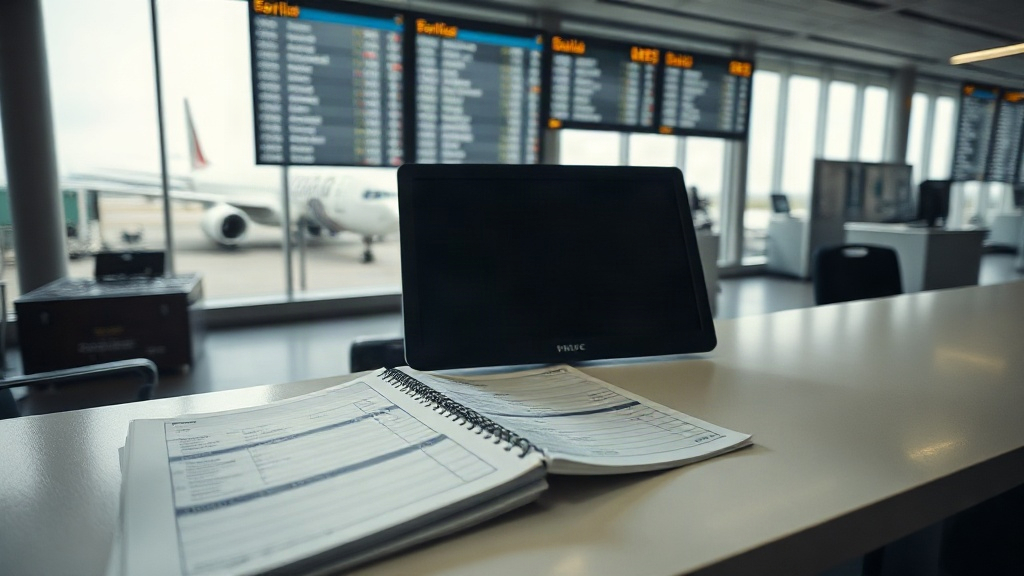
For anyone who flies, the Acsa appointment matters more than a boardroom headline suggests. Acsa runs the country’s major airports, including OR Tambo International, Cape Town International and King Shaka International, and it is the entity that decides what passengers pay in airport charges and what airlines pay to land. A change of chief executive at that company lands eventually in the price of a ticket and in how long you queue at security.
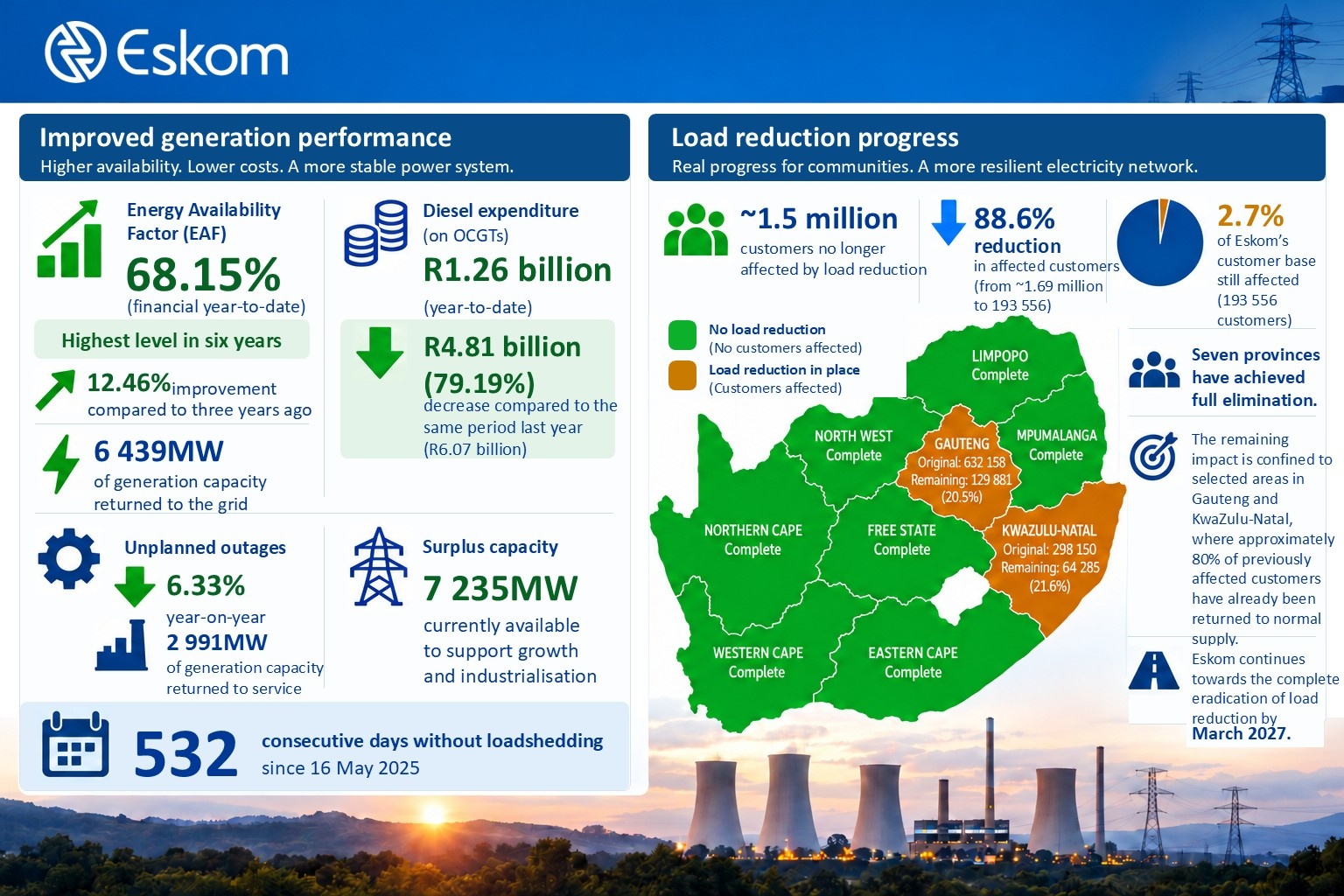
On Eskom, the line worth holding onto is the one about tariffs. Nyati’s stated goal is to align tariff increases with CPI, the consumer price index, which is the basket of goods and services Statistics South Africa uses to measure inflation. In plain terms, that means electricity price rises that track the general cost of living rather than running ahead of it. South Africans have spent years absorbing double-digit percentage increases in the electricity they buy, and the difference between a CPI-linked increase and the increases of recent years is money out of a household budget every month.
The other two threads Nyati addressed are the ones that keep Eskom’s balance sheet under pressure. Municipal debt is what municipalities owe the utility for bulk electricity they buy and then struggle to collect from residents and businesses. Unbundling is the splitting of Eskom into separate units for generation, transmission and distribution, a restructuring that has been on the policy table for years and that determines who controls the grid that independent power producers need to reach.
The diplomatic refurbishment bill is a smaller line item with a long tail. Dirco, the Department of International Relations and Cooperation, maintains South Africa’s embassies, high commissions and consulates. These properties are where visas are processed, where trade is negotiated and where South Africans abroad go when something goes wrong. Refurbishing them is not glamorous spending, and it is the kind of spending that gets deferred until a building fails.
Moneyweb’s update was a market round-up, which means it covered a lot of ground in a short time. What a South African reader should take from it is the three things that will show up in their lives: who runs the airports, what happens to the price of electricity, and whether the country’s representatives abroad have buildings that work. The first has a date attached, 1 November 2026. The other two are still being negotiated.
Source: Moneyweb, Nyati on Eskom, Acsa announces new CEO, and Dirco refurbishment bill