331 voting stations flagged high-risk, 165 of them in KwaZulu-Natal
Police say they are ready for Wednesday's local government elections, with specialised units on standby and a court bid aimed at keeping Durban marches lawful.
The South African Police Service has identified 331 high-risk voting stations nationally for the 2026 Local Government Elections, with KwaZulu-Natal carrying the heaviest concentration at 165, three days before polls open. National Police Commissioner Lieutenant General Fannie Masemola gave the figure on Friday in Durban, at the close of the service’s nationwide provincial readiness assessments. KwaZulu-Natal was the last province assessed.
Within KwaZulu-Natal, 124 of the high-risk stations are in the eThekwini District, 16 in uThukela, 13 in Amajuba, 11 in Zululand and one in the Ugu District. Gauteng has 119, including 75 in Johannesburg, 23 in Ekurhuleni, 14 in the City of Tshwane, six in the West Rand and one in Sedibeng. The Western Cape has 33, all in the City of Cape Town, Mpumalanga has 11 and the Eastern Cape three, all in the OR Tambo District. The North West, Limpopo, Northern Cape and Free State have no voting stations classified as high-risk, though they do have medium- and low-risk stations.
Masemola said the identified risks had shaped operational planning and resource deployment, with heavier police visibility and targeted interventions where they were needed. “We have left no stone unturned in preparing for these elections,” he said. “Our focus has been on ensuring that we have adequate personnel, appropriate resources, effective coordination and operational capacity to respond swiftly to any eventuality.”
He said planning had run for several months and included operational planning, resource mobilisation, risk assessments and simulation exercises to test the service’s ability to respond to different scenarios before, during and after election day.
Asked about the safety of the process itself, Masemola raised the killings and attacks on political party supporters, members and ward candidates. “These acts of violence have no place in our democracy,” he said. “No person should lose their life or be attacked simply because of their political affiliation or their decision to participate in the electoral process.” He urged parties to resolve their differences through lawful and peaceful means and said police would act decisively against anyone involved in criminal activity.
Masemola also addressed the SAPS’s recent court application concerning marches and public demonstrations in KwaZulu-Natal, saying it was not intended to prohibit lawful demonstrations. The application seeks an interim order requiring organisers and participants to comply with the law when exercising the constitutional right to demonstrate. It follows what he described as escalating incidents of violence, intimidation and property destruction associated with marches in and around Durban. According to Masemola, two people have been attacked and killed, and 16 vehicles have been burnt or damaged in connection with these incidents.
“We want to emphasise that the SAPS respects the constitutional right of every person to assemble, demonstrate and present petitions peacefully and unarmed,” he said. “However, this right must be exercised within the confines of the law and cannot be used to justify violence, intimidation, destruction of property or the infringement of the rights of others.” He said the application was aimed at protecting lives and property and at enabling police to maintain public order.
The election security operation will be led by the SAPS with support from the South African National Defence Force, Metro Police Departments and the State Security Agency. The security cluster is working to strengthen intelligence-sharing, operational coordination and resource deployment. Senior officers from SAPS head office have been deployed to provinces, roving operational teams have been established, and specialised units including the Special Task Force, National Intervention Unit, Tactical Response Teams, Explosives Units and Hostage Negotiators are on standby. The Air Wing will provide aerial support and Public Order Police members remain on standby. The service is also working with the private security industry through the Eyes and Ears Initiative.
Masemola noted that election security operations will run alongside the SAPS’s Safer Festive Season operations, placing additional demands on personnel. “It is all hands-on deck, with our members on the ground working to prevent crime, protect communities and ensure public safety,” he said. “We are ready.”
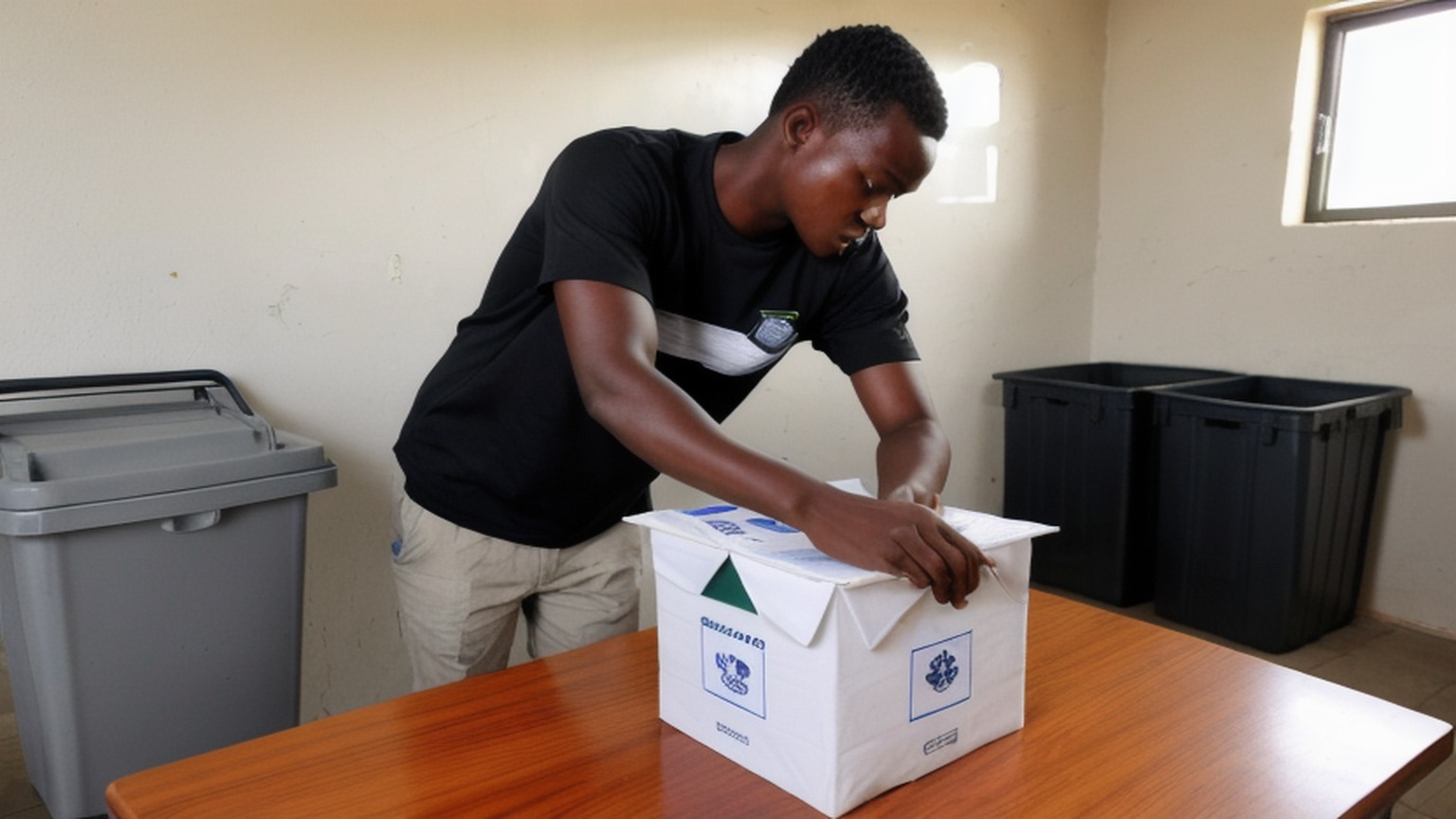
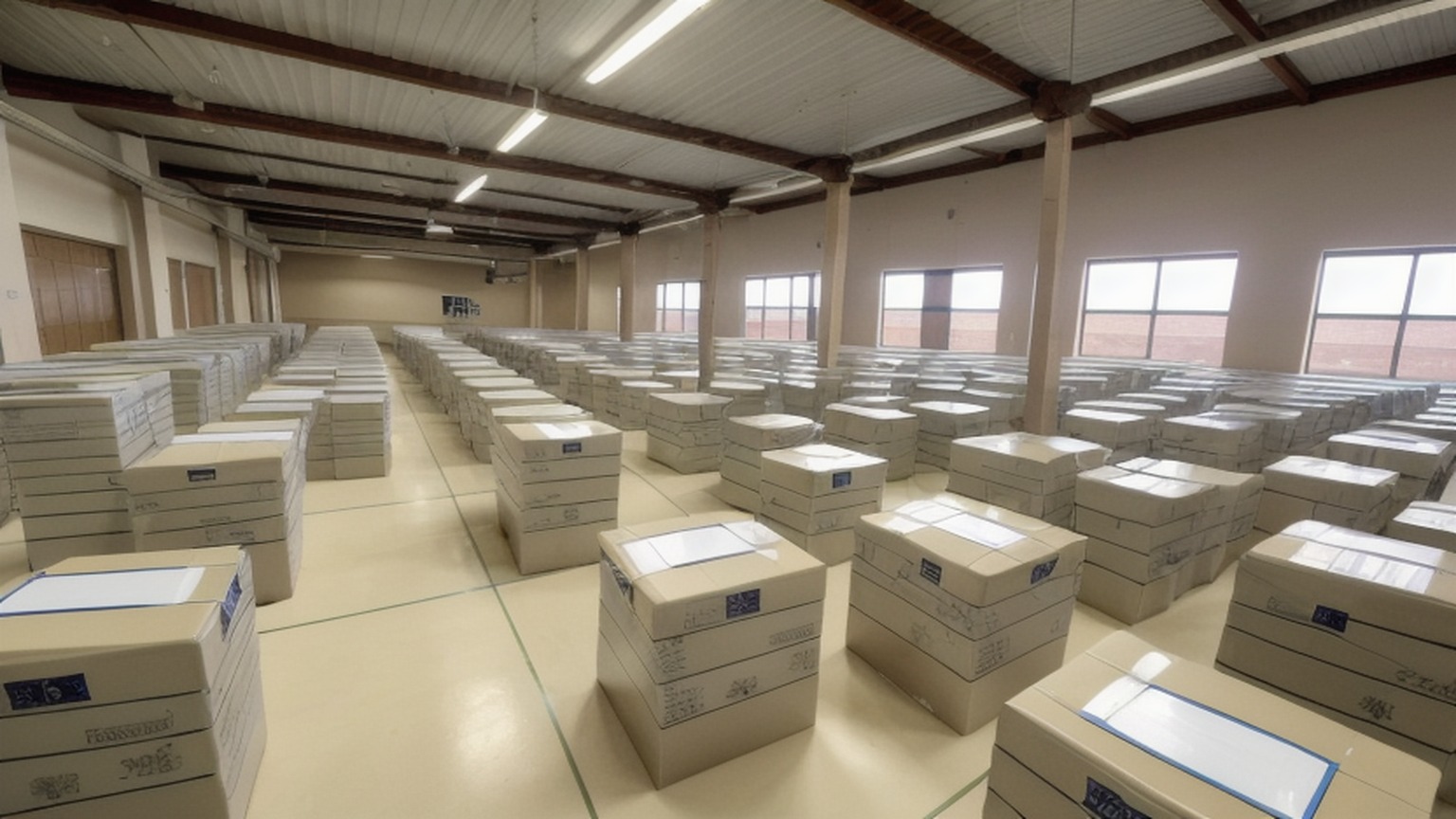
Deployment preparations at warehouses are already under way. Police visibility and operational capacity are expected to increase from Monday, when the special voting process begins. The SAPS will work with the Independent Electoral Commission of South Africa to ensure special voters can cast their ballots in a safe and secure environment. Masemola said firearms and dangerous weapons would not be permitted within the boundaries of voting stations, and that officers will remain at voting stations throughout the voting process.
This report is drawn from the SAnews (South African Government News Agency) account of the commissioner’s briefing, published at https://www.sanews.gov.za/south-africa/saps-ready-ensure-safe-elections. It reflects the police service’s stated position and figures rather than an independent audit of station risk ratings.
- Hawks arrest former constable at Ermelo prison over R8 000 police fleet card 2026-10-23
- Pistol with its serial number scratched off found in Bityi room as police arrest man, 49 2026-10-30
- Six arrested, R500 000 in copper cables seized after K9 unit chases down minibus on the N2 2026-10-30
- R975 000 of explosives in a taxi van: two men held after Kranskop Plaza stop, Modimolle court on Monday 2026-11-01
- R975 000 in explosives stopped on the N1, two men in court on Monday 2026-11-01
- R975 000 of explosives in one Quantum: N1 stop puts two men in the dock 2026-11-01