WHO sends R2,5m in outbreak-detection equipment to Lesotho
The kit arrives as the region braces for an El Nino season and a large outbreak continues in the eastern Democratic Republic of Congo.
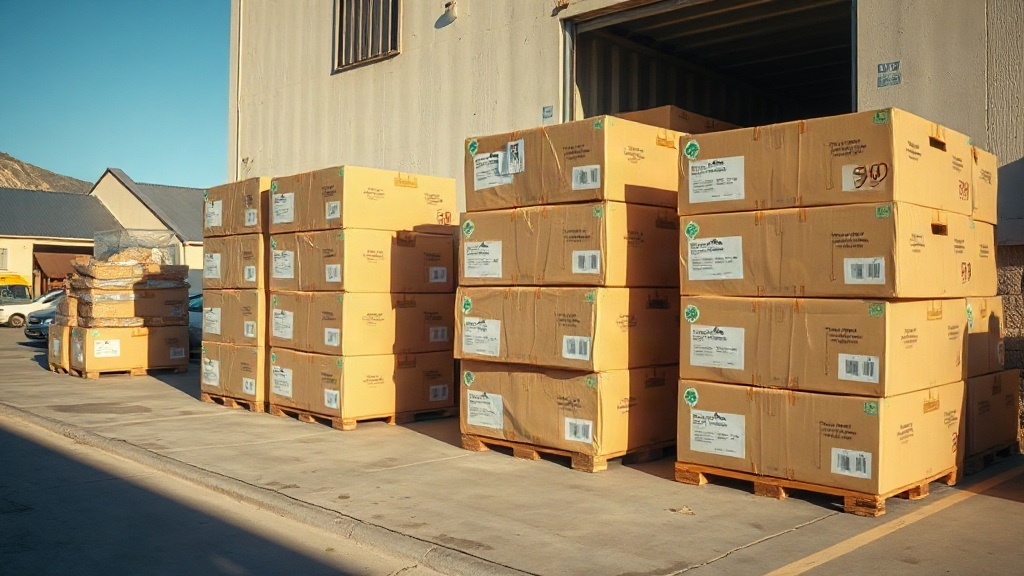
SABC News reports that the World Health Organization has delivered equipment worth about R2,5 million to Lesotho to strengthen the country’s ability to detect and respond to disease outbreaks early.
The handover comes as Southern Africa prepares for a predicted El Nino season, which the WHO expects to raise the risk of outbreaks across the region. The equipment is intended to help health workers improve patient care and give the country faster warning when a health threat appears.
Lesotho has recorded no cases in the outbreak now under way in the eastern Democratic Republic of Congo. That outbreak is one of the largest recorded on the African continent and is still running, according to the WHO’s account carried in the broadcast.
The WHO’s message at the handover was that the systems a country builds in calm periods decide how well and how fast it can respond when an emergency arrives. The organisation described the Lesotho support as timely, and said it equips health workers with tools to improve patient care and to strengthen the country’s response to health threats.
The systems we build in periods of calm are what determine how well and how fast any country can respond when disease emergencies come.
Lesotho’s health authorities accepted the consignment and said it would be put to use. In the words carried by SABC News, the equipment will contribute to improving healthcare delivery and early detection capabilities, and the partnership behind it demonstrates a shared commitment to better health outcomes and to supporting health workers.
The recipient also thanked the Pandemic Fund and the WHO for their continued partnership in strengthening health systems in Lesotho.
What the money buys
About R2,5 million in equipment is a small line in a national health budget, and its value is not in the machines alone. Early detection is the part of outbreak response that is hardest to see and cheapest to get wrong. A laboratory that can confirm a case in days rather than weeks decides whether a district hospital treats ten patients or a hundred. A health worker with working equipment decides whether a fever is tested or sent home.
That is the case the WHO made in Maseru, and it is the case the region’s health ministries are making as they watch the El Nino forecast. El Nino years typically bring changed rainfall across Southern Africa. When water sources shift and movement changes, the conditions that carry cholera, typhoid and other waterborne disease shift with them. Countries that have built testing and surveillance capacity in ordinary years are the ones that find the first cases early.
Why the DRC outbreak is the reference point
The outbreak in the eastern Democratic Republic of Congo is the region’s live test. It is one of the largest recorded on the continent and it is not over. For a country like Lesotho, which shares a border with South Africa and whose health system depends heavily on referral links with its neighbour, the lesson is that distance offers limited protection once an outbreak is moving.
The WHO’s point is not that Lesotho is at immediate risk. It is that the machinery of detection has to exist before it is needed. That machinery is unglamorous. It is sample transport, laboratory reagents, trained staff, and a reporting chain that reaches a district clinic on a Friday afternoon.
The regional picture
South Africa’s own health authorities have built similar surveillance capacity over the past decade, and the National Institute for Communicable Diseases runs the reference laboratory network that several countries in the region rely on. Cross-border cooperation on outbreak detection is one of the quieter parts of the Southern African Development Community’s health work, and it is one of the parts that pays for itself.
The equipment handed over in Maseru is a piece of that architecture. Its value will be measured later, in the speed of a single laboratory result.
SABC News reported the handover on 13 September 2026. The full broadcast is available.