Voters put water, roads and jobs to the ballot box as Cape Town deploys 20,000 police
Residents in Coronationville, Bryanston and Lichtenburg used Wednesday's local government elections to press service delivery demands, while the IEC warned parties off campaigning inside voting stations.
South Africans voted on Wednesday in local government elections, and the concerns they carried into the queue were water, roads, unemployment and service delivery, not the campaign posters behind them.
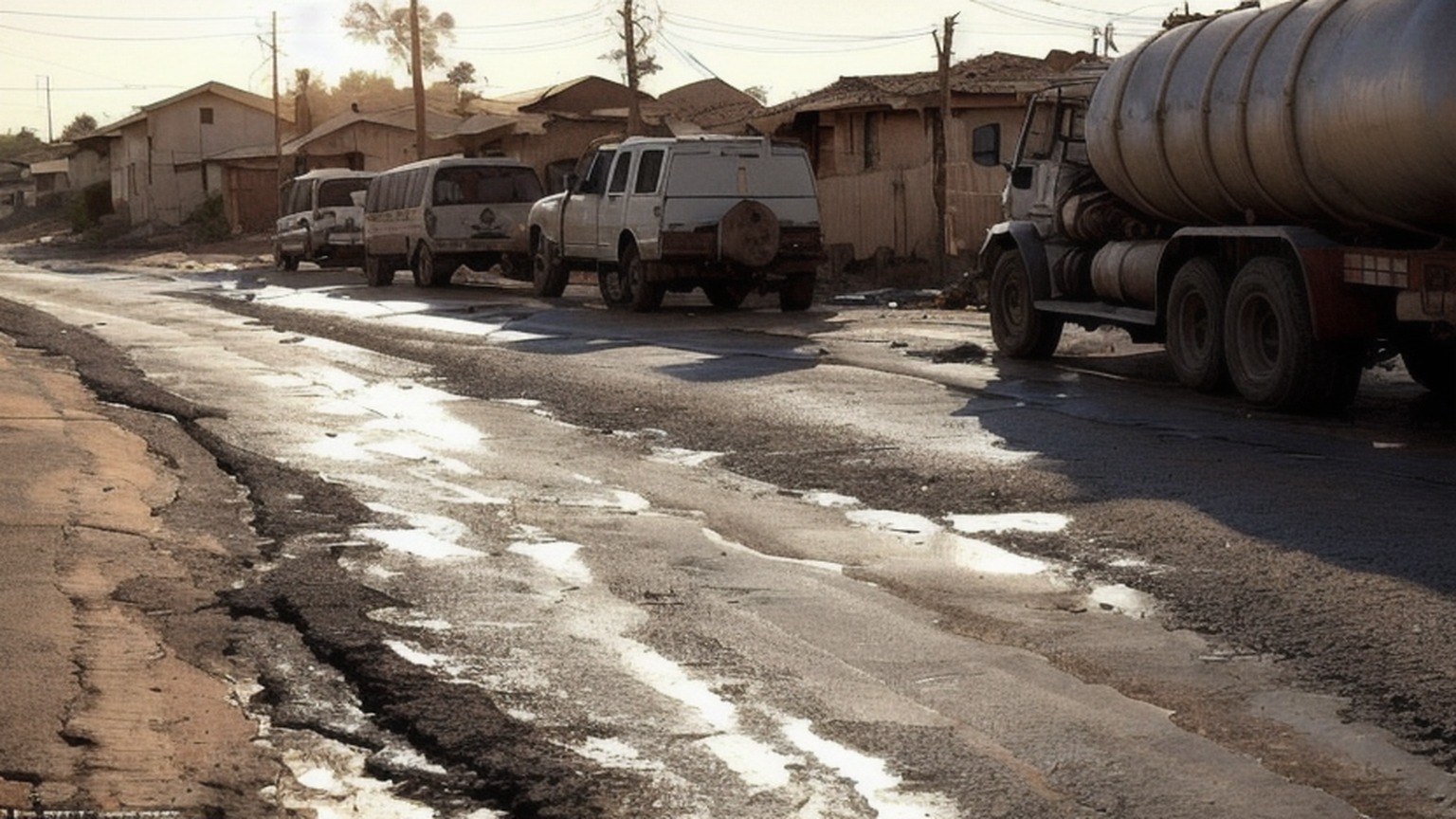
In Coronationville in Johannesburg, residents demanded tangible improvements, and in Bryanston water access dominated discussion at the voting station. Voters in Lichtenburg in North West put water and road repairs at the front of their list. As eNCA reported on 4 November, the day’s voting was accompanied by those demands alongside the mechanics of the poll.
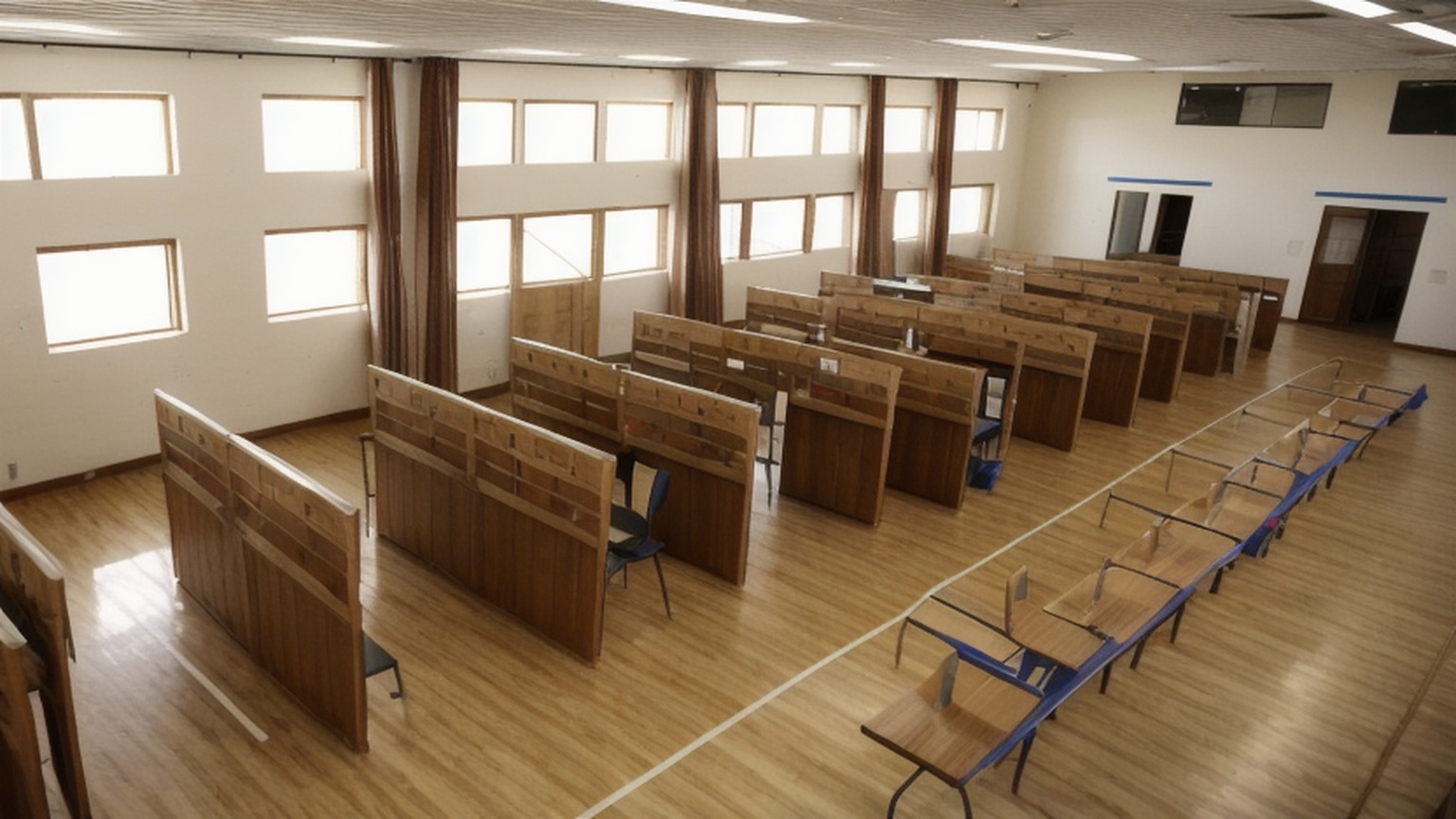
The Electoral Commission of South Africa used the day to warn political parties about conduct inside voting stations. IEC chair Mosotho Moepya said displaying posters or billboards, or attempting to influence voters inside the demarcated boundaries of a voting station, is strictly forbidden. The demarcation line is the practical point. Campaigning belongs outside it, and the commission put parties on notice that the rule would be applied.
Government spokesperson William Baloyi said authorities were working with traditional leaders and NGOs to keep the process peaceful.
Security was the visible part of the day in two provinces. In KwaZulu-Natal, electoral officer Ntobifuthi Masinga said police reinforcements and the South African National Defence Force were on standby. In Cape Town, more than 20,000 officers were deployed under Western Cape police commissioner Sizakhele Dyanthyi, with gang and taxi violence listed as the risks the deployment is meant to answer.
That number is worth sitting with. A local government election in one metro does not normally draw a police contingent of that size, and the deployment reflects a security assessment of the city’s gang and taxi conflict rather than of the polling stations themselves. What the deployment can and cannot do on the day is a separate question from what it signals about safety in the metro afterwards.
The leaders voted alongside everyone else. DA mayoral candidate Helen Zille cast her ballot at Emmarentia Primary School and used the moment to raise the water crisis affecting 50 Johannesburg suburbs. ActionSA leader Herman Mashaba voted in Sandton and expressed confidence there. President Cyril Ramaphosa voted in Hyde Park and spoke about the spirit of the Freedom Charter.
Political researcher Tasneem Essop made the point that outlasts the result. Civic accountability, she said, extends well beyond the ballot box.
For voters in Coronationville, Bryanston and Lichtenburg, that is the practical test of the day. The queue ends at the door of the voting station. The water pressure, the roads and the work do not.
- Cape Town's opposition leader in council quits his seat 13 days before the election 2026-10-25
- Army sent to KwaZulu-Natal as asylum ruling unrest builds toward the 4 November vote 2026-10-27
- Ramaphosa sends 510 soldiers to KwaZulu-Natal as anti-immigration protests build before the 4 November vote 2026-10-27
- Police block March and March at Berea station as Moore Road march ends in a wall of officers 2026-10-27
- Ramaphosa sends 510 soldiers into KwaZulu-Natal to stop the violence 2026-10-27
- Police block March and March at Berea as Durban marchers demand action over motorcycle attack 2026-10-27
- Durban and Soweto burn as anti-migrant marches spread, Ramaphosa sends 510 soldiers to KwaZulu-Natal 2026-10-27
- March and March tells Durban crowd: don't vote ANC on November 4 2026-10-27
- How a protest march gets stopped: the interdict, the route and the right to march 2026-10-27
- 21 months of marching, then Jacinta Ngobese-Zuma tells Durban: vote out the ANC 2026-10-27