UN team in South Africa flags East Rand killings of women and calls for funding to match national disaster declaration
The UN's South Africa office says the recent killings of women in Ekurhuleni show the scale of gender-based violence, and wants the national disaster declaration backed by money, prosecutions and access to justice.
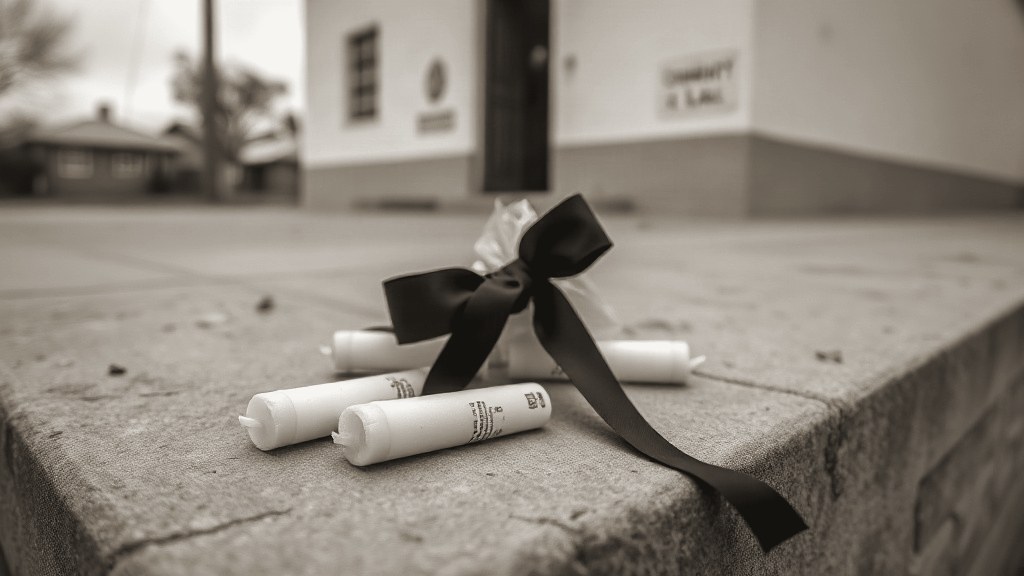
The United Nations team in South Africa has raised the alarm over the recent killing of several women in the East Rand, saying the deaths are not isolated tragedies but evidence of a wider crisis of violence against women and girls in this country.
The warning was carried from the UN’s South Africa office to its headquarters in New York, where spokesperson Stéphane Dujarric amplified it. The UN says the killings in Ekurhuleni show how large and how persistent gender-based violence remains across South Africa.
It is now asking that the country’s declaration of gender-based violence and femicide as a national disaster be matched with money and with results. That means holding perpetrators accountable, improving women’s access to justice, strengthening economic empowerment, and keeping financing and monitoring in place over time.
What the UN is asking for
The UN’s list is specific. It wants commitments already made on paper to produce tangible outcomes, and it names four areas where that has to show: prosecutions that stick, courts and police that women can reach, economic support that gives a woman an exit, and sustained funding with monitoring attached so the money can be tracked.
The organisation says it will keep supporting South Africa as the country works to meet its international human rights obligations and to implement its national strategy against gender-based violence and femicide.
Why the East Rand cases carry the warning
The UN’s concern rests on a run of killings of women in Ekurhuleni over a short period. SABC News reported the UN’s position, and the point the organisation makes is about pattern rather than a single incident. That is the same argument South African researchers, prosecutors and community organisations have been making for years, and it is the reason the national disaster declaration was framed as a structural problem rather than a policing one alone.
A national disaster declaration matters because it changes how money and coordination move. It allows a single plan, a single reporting line and a budget that can be defended in Parliament. The gap the UN identifies is between that framework and what a woman in Katlehong, Tembisa or Daveyton actually meets when she walks into a police station to open a case.
What the state has built, and what it still owes
South Africa has the legal architecture. The Domestic Violence Act places a duty on police officers to act on a complaint, the Sexual Offences Act sets out the offences and the minimum sentences, and the National Prosecuting Authority has specialised sexual offences courts and units. The SAPS has a family violence, child protection and sexual offences structure in place, and the national strategy against gender-based violence and femicide sets out the coordination the UN is now asking to be financed.
The accountability question the UN has put is a fair one and it is answerable with a number. How much of the national disaster allocation has reached the frontline, how many of the specialised courts are sitting, and how many of the cases opened in Ekurhuleni this year have reached a verdict. Those are the figures that would show whether the declaration has changed anything on the ground.
The consequence for the people who live here
The practical effect of the UN’s intervention is pressure on the national budget process and on the departments that carry the strategy. For a woman in the East Rand, the measure is simpler. Whether there is a police van that arrives, an officer trained to take the statement, a court date that holds, and a place to go if she has no income of her own.
The UN says it will continue to work with South Africa on its international obligations. Its statement does not set a deadline for the country, and it does not name the individual cases in Ekurhuleni.
Source: SABC News (website), UN sounds alarm over Ekurhuleni murders in South Africa
- Police find fifth woman's body near Kempton Park as search for missing jogger continues 2026-09-14
- Sixth woman found in Ekurhuleni as ex-SAPS profiler calls for serial killer investigation 2026-09-15
- Gauteng police confirm six women found dead in Ekurhuleni as Kekana appeals for information 2026-09-15
- Police task team probes five Kempton Park deaths as family identifies runner Elizabeth Moselakgomo 2026-09-15
- Seven women found dead in Ekurhuleni as top police and ministers meet in Parktown 2026-09-15
- Police confirm eighth body in Ekurhuleni and offer R400 000 for information 2026-09-15
- Police put R400 000 on the table in Kempton Park murders probe 2026-09-15
- Police form high-level team as eighth body found in Ekurhuleni 2026-09-15
- Seven women found dead in Gauteng in two months as safety audit is demanded 2026-09-15
- Police raise Ekurhuleni toll to seven women as task team hunts suspects 2026-09-16