Transnet staff flagged Richards Bay equipment problems before auditor-general found R100m in waste
Internal documents reported by the Mail & Guardian show procurement officials were warned about idle equipment and contract irregularities at the port before the auditor-general's finding.
Transnet procurement officials at Richards Bay were warned about idle equipment and irregular contracts before the auditor-general flagged more than R100m in wasteful expenditure at the port, according to internal documents reported by the Mail & Guardian on 5 October 2026.
The documents, which the Mail & Guardian says it has seen, show that officials inside Transnet’s procurement function were alerted to the problems at Richards Bay before the auditor-general’s office recorded the wasteful expenditure. We have not seen the documents ourselves and are reporting their contents as the Mail & Guardian has described them.
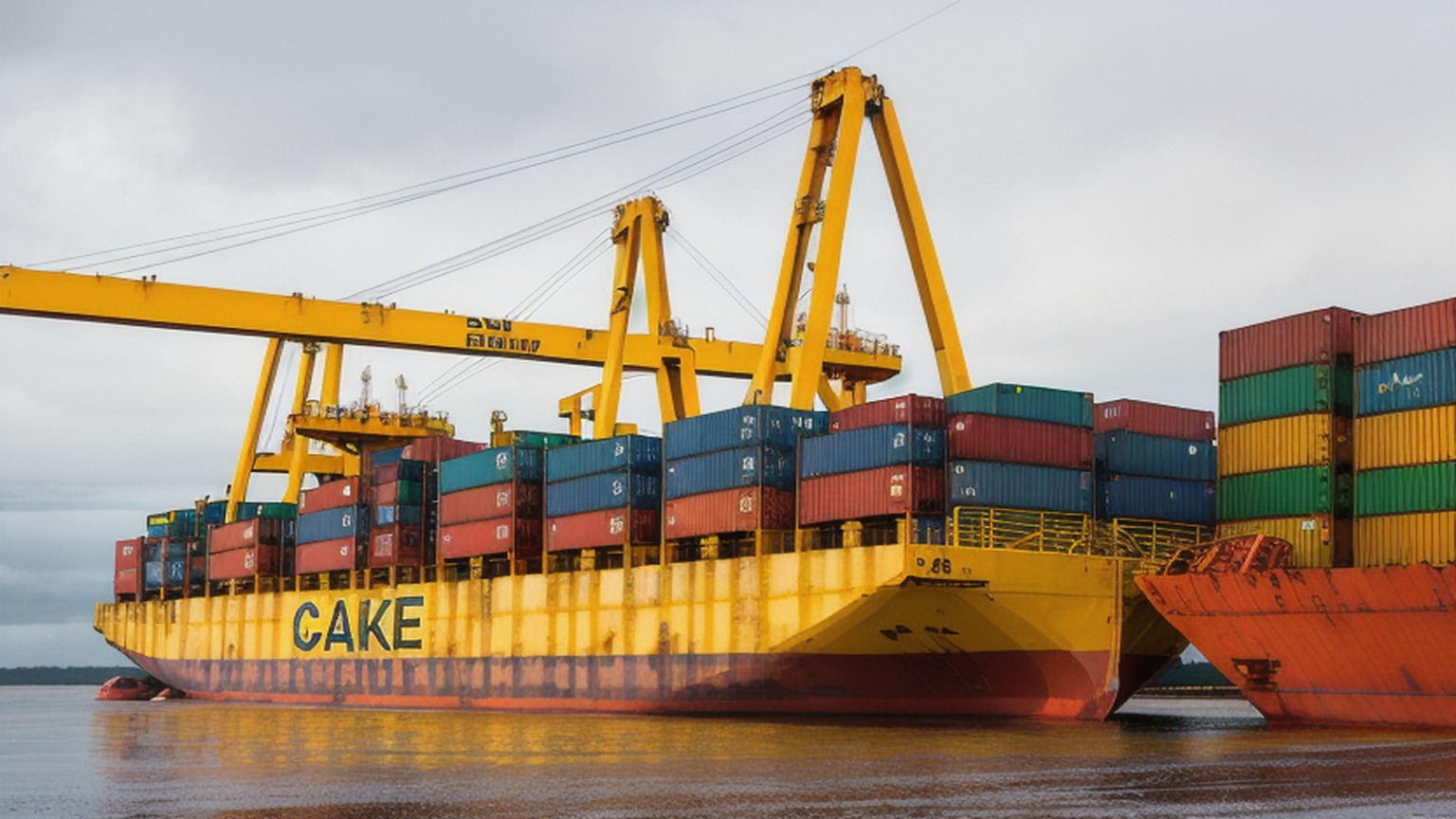
Richards Bay is one of the country’s two main bulk export terminals, handling coal and other commodities railed in from Mpumalanga and beyond. Equipment that sits idle there is not an abstract accounting problem. It is the difference between a truck or a train being loaded and turned around, and a queue that grows by the day. When a terminal cannot move cargo, the cost is carried by exporters, by the freight and logistics workers whose shifts depend on volume, and eventually by consumers who pay more for goods that took longer to leave the country.
Wasteful expenditure is a specific finding in the auditor-general’s vocabulary. It describes spending that was not necessary, or that produced no value, or that was lost through negligence. It is not the same as fraud, and it is not a criminal finding. It is the auditor-general’s formal record that public money was spent badly.
That distinction matters for what happens next. A wasteful expenditure finding goes to the entity’s accounting authority, which is required to disclose it, explain it and, where the law allows, recover it. The Public Finance Management Act obliges accounting officers to take effective and appropriate steps to prevent irregular and fruitless expenditure. Where that duty is not met, the finding becomes a question for the board, for the shareholder minister and, in serious cases, for the Standing Committee on Public Accounts.
Transnet has been under sustained scrutiny for procurement failures for years, and the entity has itself acknowledged that its procurement systems have been a source of irregular spending. The pattern at Richards Bay, as the Mail & Guardian describes it, is a familiar one in South African state-owned enterprises: people inside the institution raise a concern, the concern is recorded, and the money is spent anyway.
What the documents do not yet establish publicly is what happened after the warnings were raised. Were the contracts stopped, varied or allowed to run? Were the officials who raised the concerns protected? Was anyone held accountable for the equipment that stood idle? Those are the questions a reader should be able to answer, and on the material available they cannot be answered yet.
For ordinary South Africans, the practical consequence is straightforward. Transnet is funded by the fiscus and by the users of its network. Money spent on equipment that does not work, or on contracts that should not have been signed, is money that does not go into maintenance, into rail capacity or into the ports that the economy depends on. The Richards Bay finding is one line in a much larger ledger, but it is the kind of line that shows up in the cost of getting South African goods to a ship.
We have put the substance of the Mail & Guardian’s report to Transnet for comment. If the entity responds, we will report what it says.
Source: Mail & Guardian, Transnet procurement officials warned of Richards Bay equipment irregularities, documents show