Transnet rail manager warns funding delays could cut freight volumes as 250-million-tonne target slips
Trim's fourth network statement opens the way for private operators but says slower cash injections will force lower volume projections.
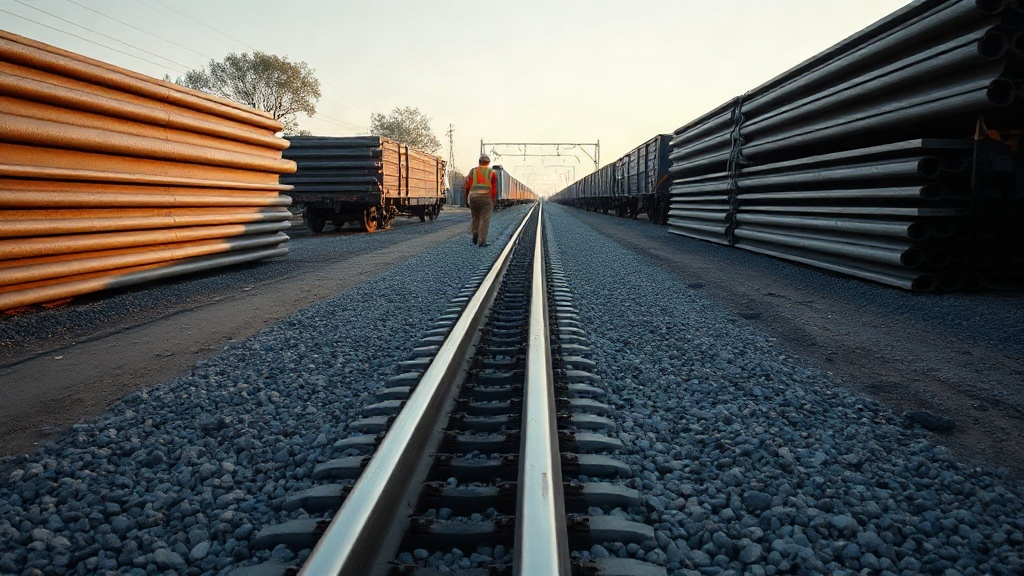
Transnet’s rail infrastructure manager has warned that delayed or smaller-than-needed funding will force it to cut its freight volume projections and slow repairs to the country’s rail network.
The warning sits inside Network Statement Version 4, published on Friday by the Transnet Rail Infrastructure Manager, known as Trim, the body that holds and runs the rail infrastructure itself. As TimesLIVE reported on 22 September, the document sets out how Trim intends to rehabilitate rail corridors that have been deteriorating for years, and it flags funding delays as a risk to the volumes the network is meant to carry.
Trim put the point plainly in the document. Delayed or lower fund injections than required, it said, will cause a downward adjustment of volume capacity projections and a slower improvement in network performance and reliability, and should be avoided.
What the numbers show
The government’s target is to move 250-million tonnes of freight by the end of the 2030 financial year. In 2024/25 the network moved 160.1-million tonnes. In 2017/18 it moved 226-million tonnes.
That gap, about 90-million tonnes against the 2030 goal, is the measure of the rehabilitation job. Trim’s own account is that South Africa has a vast network, but that delays in upgrading rail infrastructure to meet industry’s demands have cost the fiscus export revenue it could have earned.
The rehabilitation carries a multi-billion rand price tag. Trim said alternative funding sources, including private sector participation, are being explored, but that those may take time to materialise. That leaves government, and specifically National Treasury, to plug the gap if the volume targets are to hold.
Two years of reform, and 11 private operators
The fourth network statement lands two years after the first, the document that opened the rail network to private participation for the first time in more than a hundred years. A year ago, government allowed 11 private companies to operate on Transnet’s rail network.
The network statement is the instrument that makes that competition workable. It sets out the terms on which private train operators can use the tracks, and it is the mechanism through which Transnet’s monopoly as the sole user of its own network has been dismantled.
Transnet itself swung to a R4.6bn profit for the year ended March 2026, a result announced before the new statement was published.
Cable theft in the coal corridor
Trim is also working on the security problems that have pulled volumes down. In the north corridor, which carries coal from the Mpumalanga coal fields to the Richards Bay Coal Terminal for export, the manager is tackling cable theft and vandalism directly.
That corridor matters beyond the mines. Coal exports through Richards Bay are a foreign exchange earner, and every tonne that does not reach the terminal is revenue the country does not book.
What to watch
The open question is whether National Treasury provides the cash injection Trim says it needs. The document does not settle that, and Trim’s own language leaves the alternative, private funding, as a path that may take time.
Source: TimesLIVE, EDITORIAL| Funding delays threaten progress on SA’s vital freight capacity