Three ballots, one Wednesday: what South Africans will actually be choosing
Local government elections work differently from the national vote, and the IEC is warning voters to know which paper does what before they queue.
South Africans vote on Wednesday, and the ballot in their hands will look different from the one they filled in at the last national election. In a local government election, voters in local municipalities receive three separate ballot papers, each electing a different tier of local government. The Electoral Commission of South Africa is asking voters to understand what each paper does before they cast a vote.
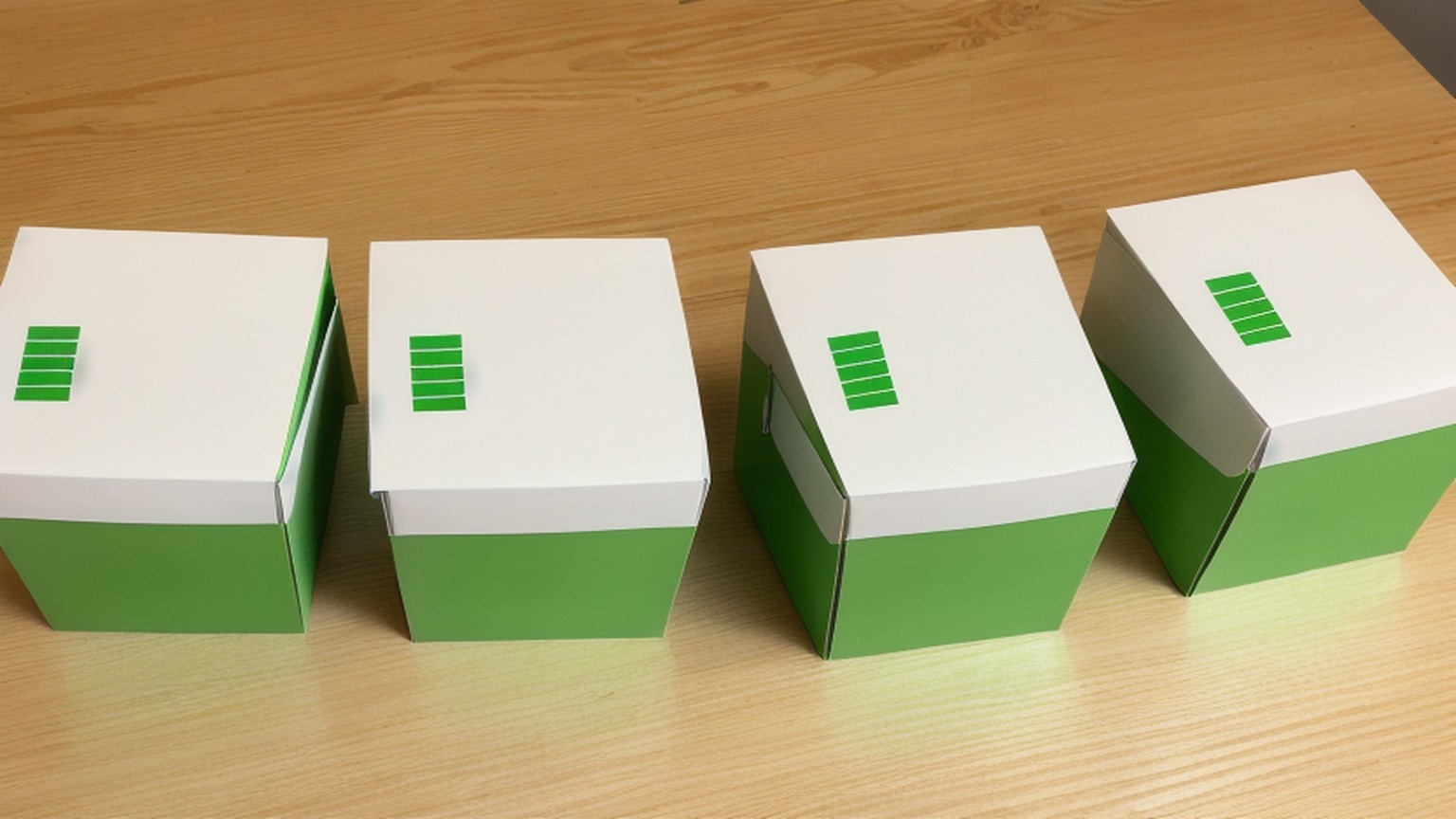
As eNCA reported on 4 November, IEC Chief Electoral Officer Sy Mamabolo set out the purpose of each paper. The white ballot elects a ward councillor, a candidate who may represent a political party or stand as an independent. The green ballot is the local proportional representation ballot, where voters choose the party they want represented in their local council. The yellow ballot is the district proportional representation ballot, through which voters choose 40 percent of the parties representing them on the district council.
How many papers a voter receives depends on the type of municipality in which they are registered, Mamabolo said. Voters in some municipalities will get two, not three. That is the detail most likely to catch people out at the booth, and it is the reason the commission is pushing the message in the final hours before polls open.
Local government is the tier closest to daily life. Municipal councils decide on rates and service charges, water and electricity reticulation, refuse collection, local roads and planning decisions, and they appoint the officials who run those services. The ward councillor is the direct line between a community and the council chamber. The proportional representation vote decides the party balance that shapes who controls the council and who sits in the executive.
The district ballot is the piece voters tend to know least about. District councils sit above local municipalities and carry responsibilities that cross municipal boundaries. The yellow paper decides only part of the district council’s political makeup, which is why the commission describes it as choosing 40 percent of the parties representing voters there.
The commission’s advice is straightforward. Check which municipality you are registered in, expect the papers that apply to it, and read each one before marking it. A spoiled paper is a vote that does not count toward any outcome.