Three arrested as Mpumalanga goes to the polls, with 11 voting stations marked high risk
Police say special voting ran largely peacefully, but four criminal cases have been opened and one suspect in the Marite election material damage case is still at large.
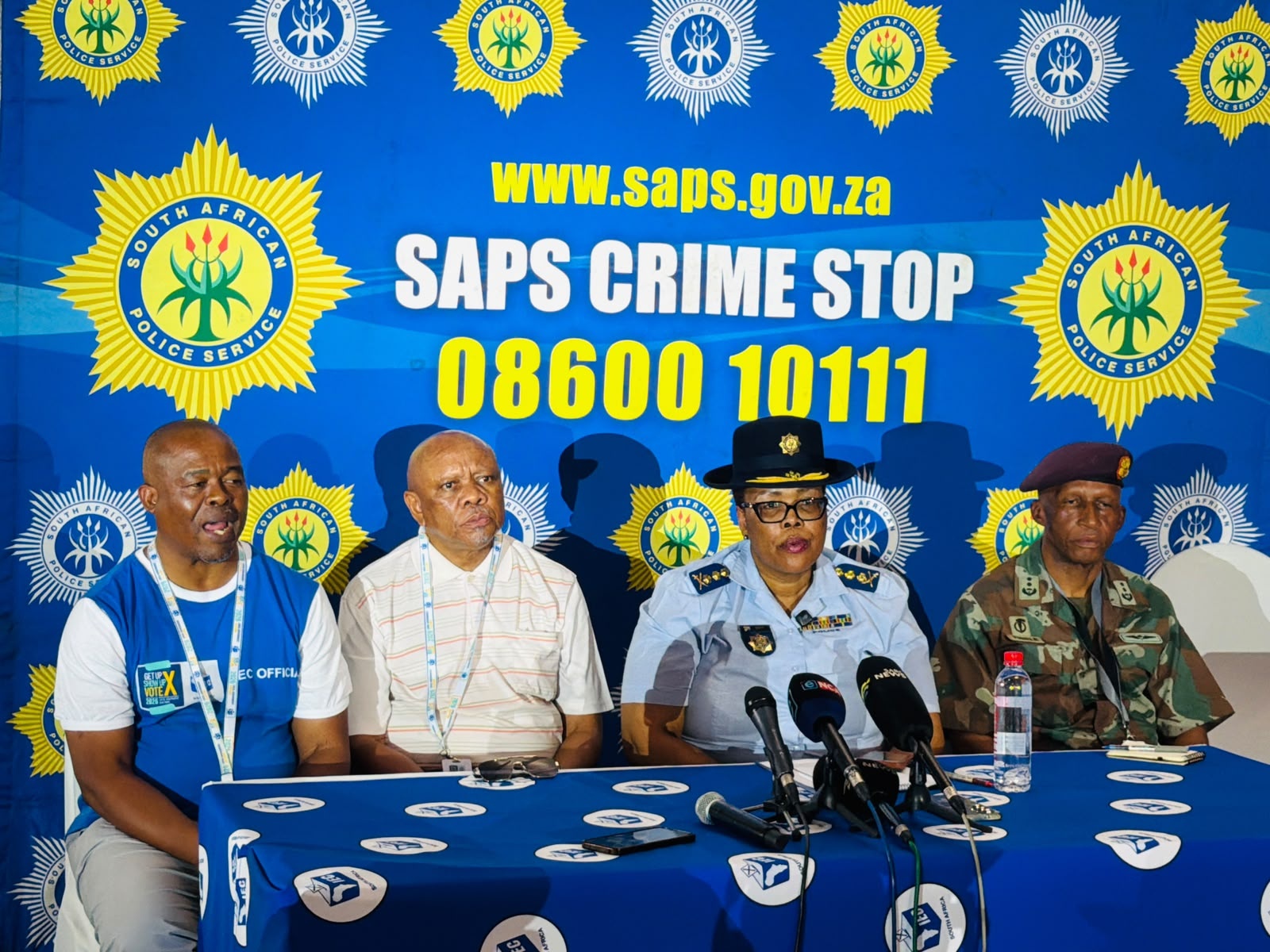
Three people have been arrested in Mpumalanga over election-related incidents during special voting, and police are still looking for a suspect in the damage of election material at Marite in Calcutta.
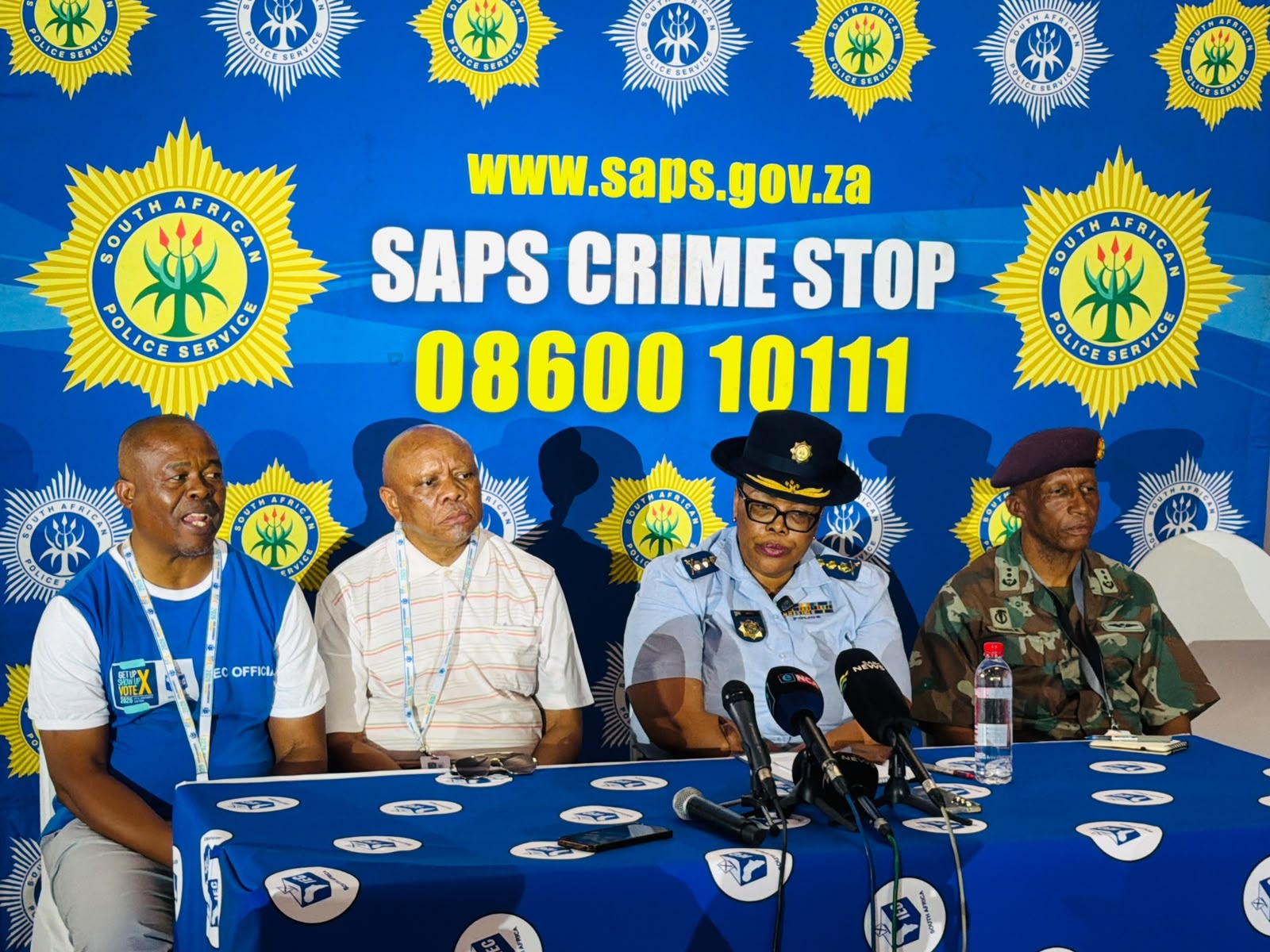
Lieutenant General Apaphia Modise, who chairs the provincial joint operational and intelligence structure, told a media briefing at the results operation centre in White River on Tuesday that the special voting that began on 2 November was largely peaceful and well managed, but that a limited number of incidents were reported. They include allegations of non-compliance with electoral prescripts and interference with election material. He said about four criminal cases had been registered.
The three arrested are one minor in the Pienaar case, one suspect in a Delmas case and one suspect in a case at Mmametlake. In the Marite matter, where election material was damaged, the suspect is still at large.
Modise said administrative action was taken alongside the criminal cases.
For the elections themselves, Mpumalanga has 1,846 voting stations. Eleven of them have been classified as high risk and 1,835 as low risk, a classification Modise linked to incidents that took place in previous elections. He said the classification guides how officers and resources are allocated, that medium-risk stations get additional attention, and that every station will receive security support.
Police say they ran 15 simulation exercises across the province to test readiness and coordination, and that deployments are in place at voting stations, along key transport routes and at identified areas of concern.
Modise warned that no person or group will be allowed to undermine constitutional and democratic rights through violence, intimidation, damage to property, road blockades or interference with electoral processes and critical infrastructure. He called on communities, political parties, traditional leaders and other stakeholders to work with law enforcement, promote tolerance and refrain from spreading misinformation so that voters can exercise their right to vote without intimidation.
He said the security environment remains dynamic and will continue to be monitored.