The US refugee door in 2026: 10,258 places, all but three filled by white South Africans
The Guardian's Heba Gowayed sets out how the numbers work, who qualifies for cash on arrival and who does not, in a system where legal status decides everything.
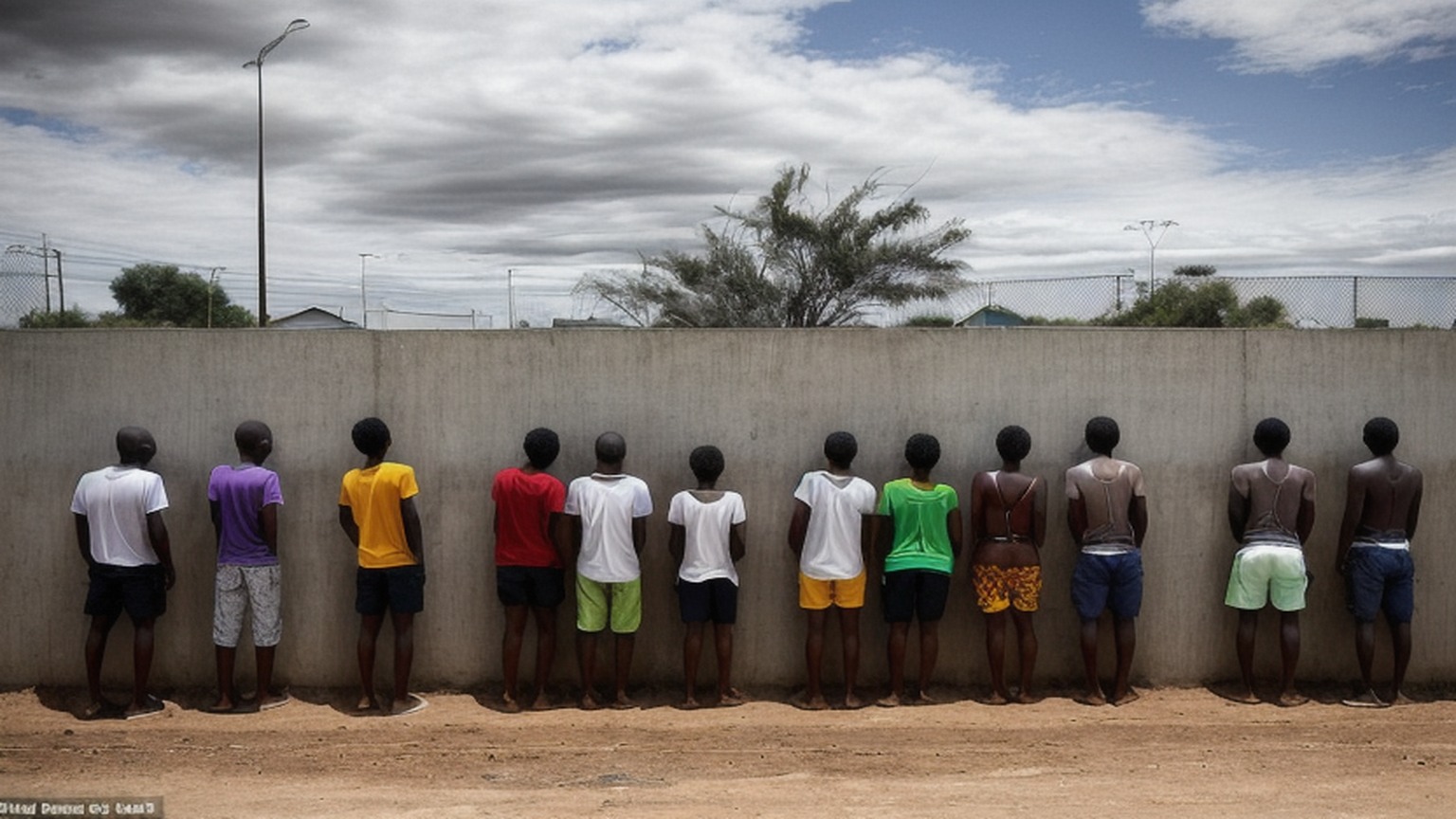
The United States admitted 10,258 people through refugee resettlement in the fiscal year 2025-2026. According to The Guardian’s Heba Gowayed, writing on 2 September 2026, all but three of those people were white South Africans. The three others were from Afghanistan.
That is the number, and it is worth understanding how it is produced, because the machinery behind it is not a single decision by a single official. It is a set of rules about categories of people, and the categories do different things.
A resettled refugee is one of the very few legal immigration categories in the United States that comes with cash assistance. Gowayed, who has written a book on the resettlement system and consulted for the Office of Refugee Resettlement, describes the reasoning: refugees are meant to be selected on humanitarian need. The people she studied were Syrians who had fled war, many with children who had chronic health conditions.
The money itself is thin, and always has been. Gowayed writes that the support was inadequate long before this administration, pushing people who had been business owners and skilled artisans into menial work within months of arrival. She argues the downward mobility was by design, because refugee support was drawn from a threadbare social safety net.
The change now is that the initial support is reportedly being doubled, to $4,500 per person. At a rate of roughly R17,50 to the dollar, that is about R78,750. The Enquirer has not independently confirmed the exchange rate used here and the figure should be checked against the rate on the day.
That increase is the part of the story a South African reader should follow closely, because it is not a general increase. It applies to the people who qualify as resettled refugees, and in this fiscal year that category has been filled almost entirely by white South Africans.
What makes the picture sharper is what happens to everyone else. Gowayed sets out that holders of Temporary Protected Status, including the roughly 350,000 Haitians whose status has been cancelled, were never eligible for the forms of support that resettled refugees receive. TPS holders paid taxes into a social service system they could not draw from, she writes. They also had no pathway to citizenship.
The South Africans admitted as refugees do have one. Under the rules Gowayed describes, they become legal permanent residents, green card holders, within a year, and are eligible for citizenship five years after that.
She also sets out the longer history, and it is worth reading carefully because it explains why the category works the way it does. Early twentieth century migrants to the United States were overwhelmingly white, kept that way by racial quotas that limited travel from outside western Europe. Archival research by the sociologist Cybelle Fox, cited by Gowayed, shows that social workers did not deny those migrants assistance on the basis of legal status and shielded them from immigration enforcement.
After the civil rights movement outlawed explicit discrimination and the whites-only quotas were abolished, the political direction changed. Gowayed traces the welfare reforms that followed, including the Personal Responsibility and Work Opportunity Reconciliation Act of 1996, signed by Bill Clinton, which turned welfare into workfare and excluded most immigrants from cash assistance, with refugees and asylum seekers among the exceptions.
The word that survived all of it is self-sufficiency. Gowayed’s point is that the word places the cause of poverty on the individual rather than on the conditions around them.
For a South African reader, the useful thing to hold on to is this: none of the numbers above are about South Africa’s own immigration system, and none of them are about South Africans who have not applied to the United States. They are about a single American programme, its categories, and who has been placed inside them this year.
Gowayed’s own conclusion is that the allocation of money in the wealthiest country in the world is a question of political will rather than budget. She writes that the administration is spending billions to deport Black and brown people while doubling assistance for white refugees, and that this makes its priorities explicit.
That is her argument, and she is entitled to it. What a South African reader can take from the piece without adopting the argument is the structure underneath it, because the structure is the part that will still be there when the politics moves on. A refugee category carries cash and a route to citizenship. A temporary protected status carries neither. The difference between the two is not the need of the person holding it. It is the category they were placed in.