Simelane takes South Africa's ICC reform case to The Hague
Justice Minister Thembi Simelane will press for greater accountability and institutional reform at the International Criminal Court's annual assembly of member states.
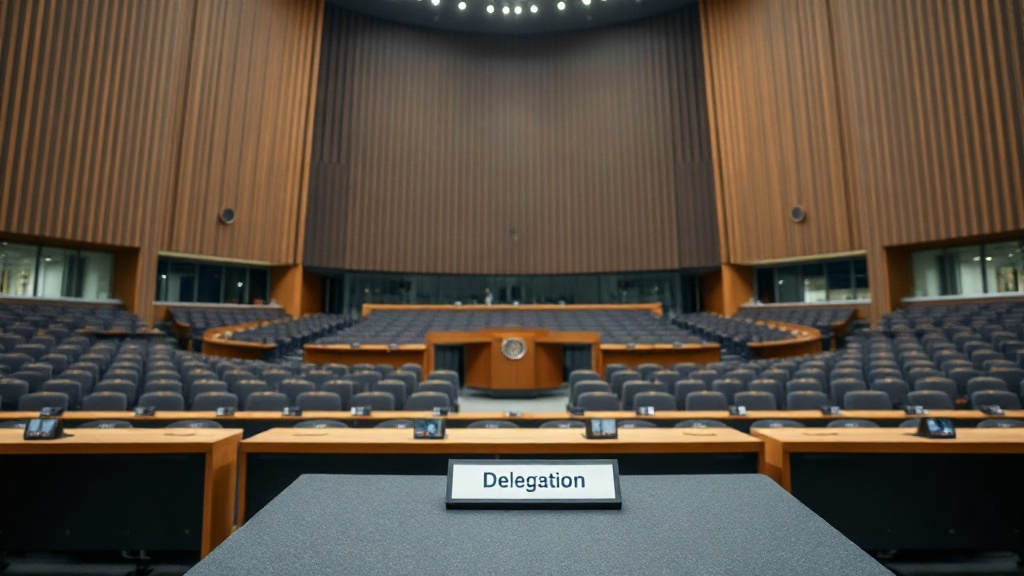
Justice and Constitutional Development Minister Thembi Simelane will represent South Africa at the 23rd Session of the Assembly of States Parties (ASP) of the International Criminal Court, which runs from 2 to 7 December 2024 at the World Forum Convention Centre in The Hague.
The ASP is the ICC’s principal management and legislative body. It comprises all states that have ratified or acceded to the Rome Statute, the treaty that established the court. According to the South African Government, this year’s session brings together heads of state, government ministers, deputy ministers and ambassadors from ICC member states.
What the assembly does
The ASP meets annually to decide on the court’s future functioning. Its agenda includes the election of officials, resource allocation, oversight of the court’s work, strengthening cooperation between member states and policy development.
Since 2003, the assembly has adopted an annual resolution titled “Strengthening the International Criminal Court and the Assembly of States Parties.” The gathering also serves as a show of support for the court and a platform for states to renew their cooperation with the ICC and its organs.
According to the government, this year’s deliberations will address political pressures on the court, state cooperation, and the need for reform and enhanced effectiveness. The session takes place against the backdrop of the ongoing humanitarian crisis in Palestine, which the government says makes a collective approach to international law and human rights more crucial than ever.
South Africa’s position
The government says Minister Simelane’s participation is an opportunity to advocate for greater accountability for international crimes and to advance South Africa’s position on human rights, justice and reform within the global justice system.
South Africa has been a member of the ICC since ratifying the Rome Statute, and has previously used international legal forums to argue for consistent application of international law. The country has also been a vocal critic of what it describes as selective accountability in global justice institutions.
The ASP session is one of the few forums where member states can directly shape the court’s direction. Decisions taken at the assembly affect the court’s budget, its investigations and its relationships with countries that have not joined the Rome Statute.
Why it matters
For ordinary South Africans, the ICC’s work can seem distant. But the court’s ability to hold perpetrators of genocide, war crimes and crimes against humanity to account matters for a country that has itself experienced state-sponsored violence and has long argued for international law to apply equally to all nations.
South Africa’s participation also signals its continued engagement with multilateral institutions at a time when some African states have debated withdrawal from the ICC. By attending and advocating for reform from within, the government is choosing engagement over exit.
What happens next
The assembly runs until 7 December. Outcomes will depend on the specific issues raised by member states. South Africa’s delegation is expected to push for reforms that strengthen the court’s effectiveness and reinforce the principle of equal application of international law.
Enquiries about the minister’s programme can be directed to Mr Tsekiso Machike, spokesperson for the Ministry of Justice and Constitutional Development, on 078 237 3900. The government’s media advisory is available.