SASL turns three as PanSALB trains frontline staff in sign language
South Africa's 12th official language is recognised in law and increasingly used at public counters, but Deaf South Africans still hit barriers when they need a hospital, a school or a police station.
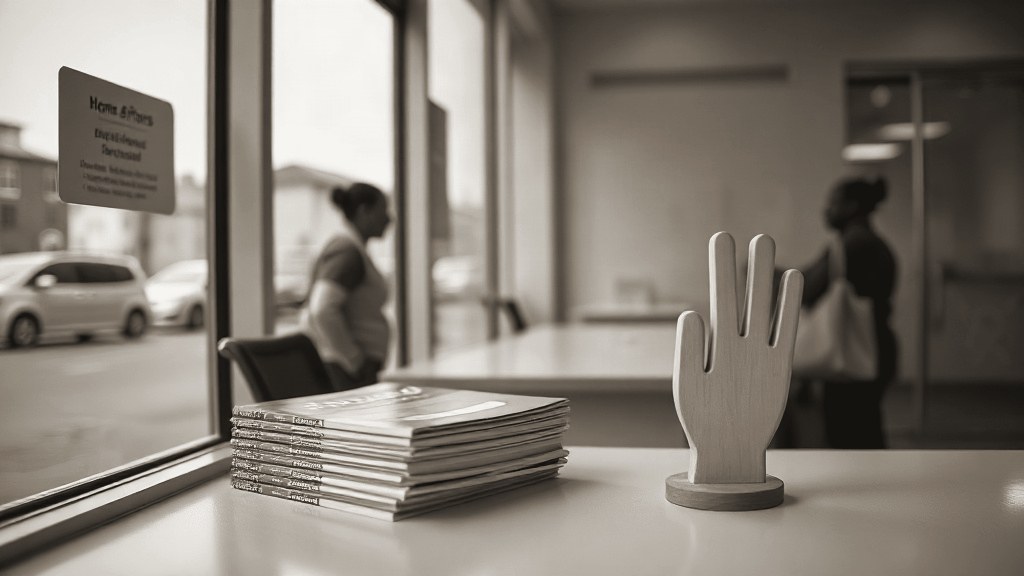
South African Sign Language has been an official language for three years, and the machinery that makes that recognition real at a public counter is being built one training session at a time. The Pan South African Language Board regularly trains frontline workers in all three spheres of government in the basics of South African Sign Language, so that a Deaf person at a home affairs desk, a clinic reception or a municipal office can be understood.
That is the substance of the official account published by SAnews, the South African Government News Agency, to mark Deaf Awareness Month. The agency’s piece is a summary of the position rather than the record itself, and it names the instruments plainly: the recognition of SASL in 2023, the training work of PanSALB, the bilingual dictionary, and the White Paper on the Rights of Persons with Disabilities.
What the law says, and what it changed
South African Sign Language was formally recognised in 2023, making it the country’s 12th official language alongside the 11 spoken ones. All official languages carry equal legal status. The Constitution provides for access to services, education, employment, healthcare and information in the languages Deaf people understand and use.
Since the signing of SASL into law, government departments have sought to ensure greater inclusion through the use of sign language interpreters. The White Paper on the Rights of Persons with Disabilities is the national policy framework for mainstreaming disability equity, protecting human rights and eliminating systemic exclusion. It sets out a plan for equal participation, including access to education, healthcare, employment and justice in appropriate languages and communication methods, and it covers the teaching and learning of SASL and the training of teachers and other professionals in it.
The tools already in South Africans’ hands
Two resources are already available to any South African who wants to learn the basics, and both are free to use.
The Department of Basic Education runs an SASL Learning Space on Thutong, its online platform for teachers and learners. The South African Sign Language Bilingual Dictionary is available as a mobile application. The dictionary was developed by the National Institute for the Deaf in 2022 and carries over 3 000 signs and 2 500 English words, providing standardised SASL lexical terminology.
Those are the practical instruments. The official account is direct that more needs to be done to promote SASL not only as a language for Deaf and hard-of-hearing people but as a language for all South Africans, used widely enough to stand alongside any spoken language in the country.
The counter, the ward and the charge office
For many Deaf South Africans, the difficulty is concrete. Going to a hospital, attending a school meeting, looking for work, reporting a crime or ordering food can be a challenge when the people around them do not know sign language. The official account states the position plainly: a society cannot claim to be truly inclusive while barriers remain to accessing services, education, employment, healthcare and information in the languages Deaf people use.
That is where the training of frontline staff matters most. A PanSALB session for a clinic receptionist or a police station’s desk officer is not a symbolic gesture. It is the difference between a patient being treated and a patient being turned away, between a crime being reported and a crime going unrecorded.
A simple greeting, a thank you, or a conversation in South African Sign Language can demonstrate respect and help create more inclusive spaces.
The official account calls on all South Africans to make an effort to learn sign language, so that all citizens can feel at home and valued. It notes that being a Rainbow Nation involves more than embracing diversity, and requires ensuring that no one is left behind.
The piece was written by Sandile Nene, Acting Deputy Director General at the Government Communication and Information System. Deaf Awareness Month runs through September, and the resources named above are available now.
Source: SAnews (South African Government News Agency), Learn South African Sign Language and help break barriers! https://www.sanews.gov.za/south-africa/learn-south-african-sign-language-and-help-break-barriers