Rooibos earns its place in 50 markets as hemp and cannabis work passes 90 000
Deputy Minister Nomalungelo Gina points to Rooibos, hemp and buchu as proof that South Africa's plant heritage is an economic asset, not just a cultural one.
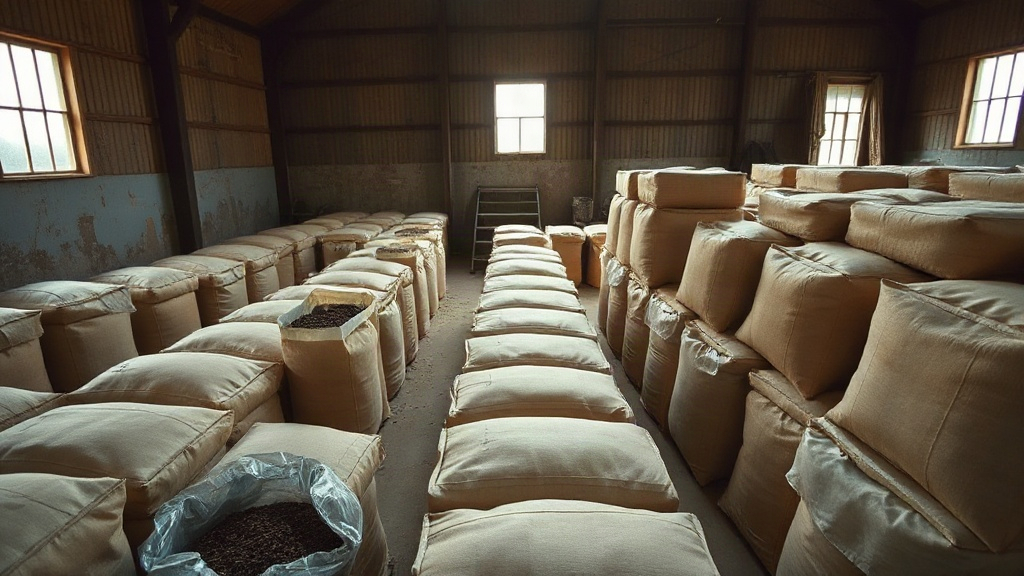
Rooibos is indigenous to South Africa, grows naturally in a limited part of the Western and Northern Cape including the Cederberg, and in 2025 supported roughly 8 000 workers across primary production and activities such as processing, packaging and retail. Production that year was estimated at about 15 000 tonnes and total sales were equivalent to more than 10 billion cups, with exports reaching more than 50 international markets. Japan took 33% of those exports in 2025.
The figures come from an article published by SAnews, the South African Government News Agency, written by Dr Nomalungelo Gina, Deputy Minister of the Department of Science, Technology and Innovation. The article is a summary of the department’s position on indigenous plants rather than a research record, and the numbers in it are the ones the deputy minister puts on the public record.
Rooibos carries Protected Designation of Origin and Geographical Indication protection in the European Union, recognition of a geographical identity tied to where the plant grows rather than to a brand. That protection is the legal instrument that keeps the name attached to the place, and it is the reason the crop is the clearest working example of South African plant heritage earning money abroad without losing where it comes from.
Gina’s argument is that the value of indigenous plants is not only cultural. She names Silene undulata and Entada rheedii as species associated with traditional practices and beliefs relating to dreams and spirituality, and says their significance lies in the knowledge and practices communities built around them over generations. Buchu, indigenous to the Western Cape, has a long history of traditional use for urinary and digestive complaints. Hypoxis hemerocallidea, known as African potato, and Harpagophytum procumbens, known as Devil’s claw and indigenous to the Kalahari, are named for their traditional uses, with Devil’s claw gaining international recognition in relation to pain and inflammation.
On those plants, the article holds two positions at once. It says the knowledge is worth protecting and that there is potential for further research and responsible commercial development. It does not claim that potential has been realised, and it does not put a rand value on it.
The hemp and cannabis sector is where the employment numbers are largest. Gina states that the industry currently employs more than 90 000 people in South Africa, and that the National Cannabis Master Plan provides the strategic framework for unlocking the agricultural, industrial and economic potential of the cannabis and hemp sectors. Hemp applications are listed across textiles, construction, paper, food and other manufactured products. The article is explicit that realising that potential depends on appropriate research, regulation, investment and skills development, and it says the sector holds significant potential for further growth as demand for medicinal products and other cannabis and hemp-based applications increases.
Where the plants grow is treated as part of the policy question. South Africa’s biodiversity is safeguarded through a network of protected areas and conservation initiatives, including those managed by South African National Parks. The fynbos of the Cape, and the grasslands, forests and savanna ecosystems across the country, provide the habitats. Gina’s position is that protecting the heritage means protecting the habitats, and that this has to be done while respecting and learning from the traditional custodians who safeguarded the knowledge.
That is the accountability question the article leaves open rather than answers. It names no budget, no target, no deadline and no department other than Science, Technology and Innovation. It does not say how the balance between protection and commercial development will be regulated, or who decides when traditional knowledge has been used responsibly. Those answers are not in the document, and this report does not supply them.
What the record does show is a sector already trading. Rooibos is sold into more than 50 markets under a protected name, and the hemp and cannabis value chain already carries more than 90 000 jobs. On the deputy minister’s account, the argument for the rest of the country’s indigenous flora is that the same combination of a specific landscape, protected identity and serious research capacity has already worked once.
Source: SAnews (South African Government News Agency), Growing our heritage: the value of South Africa’s indigenous plants