Ramaphosa declares 4 November 2026 a public holiday for local elections
The President has given voters a full working day to reach the polling station where they are registered, and urged employers to make room for it.
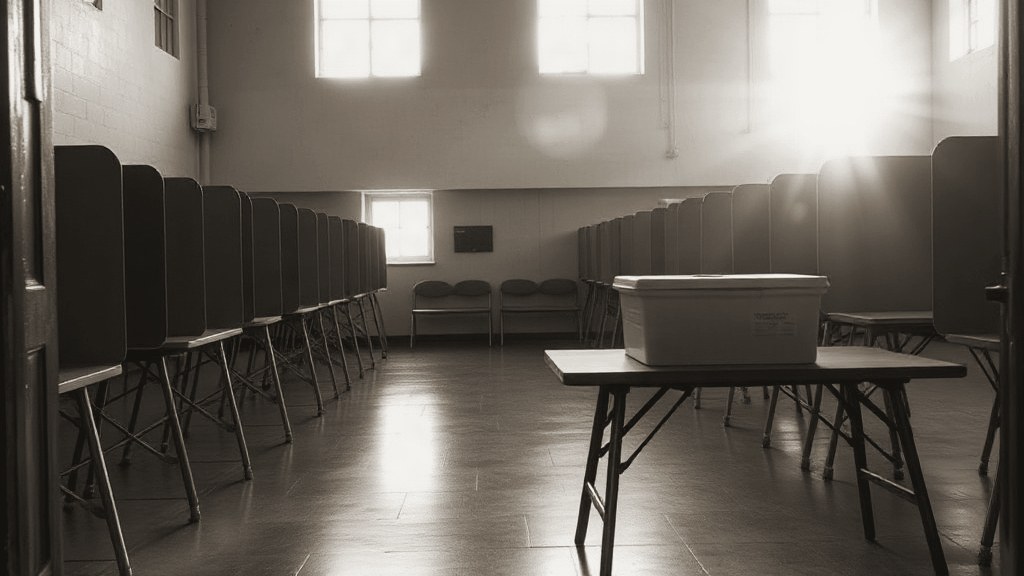
Wednesday, 4 November 2026 will be a public holiday across South Africa, so that voters can reach the polling station in the ward where they are registered and elect their local representatives.
President Cyril Ramaphosa declared the date under Section 2A of the Public Holidays Act of 1994, the instrument that allows the President to set aside a day for a national election. The same section has been used for every general election since the Act came into force, which is why polling day has carried public holiday status for three decades.
The declaration does two practical things. It closes most workplaces for the day, and it removes the argument that a voter could not get to a polling station because of a shift, a commute or an employer who would not release them.
What the President asked of voters and employers
Ramaphosa called on registered voters to use the day to exercise what the presidency described as their democratic right and civic duty. Local government elections decide who sits on a municipal council, and through that council, who controls the water, the refuse collection, the roads and the property rates in a town.
He also urged employers to make provision for employees to exercise their Constitutional right to vote. That request matters more than it sounds. A public holiday does not by itself guarantee that a nurse, a security guard, a farm worker or a retail employee on a shift gets to the queue before it closes. The presidency’s wording asks employers to plan for it rather than leaving it to the worker to negotiate.
The ward rule that catches people out
The presidency attached a reminder to the declaration, and it is the one that has tripped up voters in previous elections. A voter may only cast a ballot at a polling station in the ward where they are registered.
That means a voter cannot walk into a station near their workplace, or near the family they are visiting, and expect to be allowed to vote there. The presidency stated it plainly. Where a voter considers travel, they will not be able to transfer their vote to a voting station away from their designated ward.
For anyone planning a trip, a family visit or a work assignment around the first week of November, the practical instruction is to check the registration details before making the plan, not on the morning of the vote.
Why local elections carry their own weight
National and provincial elections decide who sits in Parliament and in the provincial legislatures. Municipal elections decide something closer to the kitchen table. A council sets the tariff a household pays for water and electricity, decides which streets get resurfaced, runs the waste collection contract and approves the budget that funds a clinic’s supporting infrastructure.
That is the level of government a resident deals with when a pipe bursts or a streetlight stays dark for a month. The presidency framed the vote in exactly those terms, saying the election empowers citizens to elect local public representatives and to influence service delivery where they live.
What happens next
The date is now fixed in law. Between now and 4 November 2026, the work sits with the Electoral Commission, which runs registration, the voters’ roll and the polling stations, and with municipalities, which must have the logistics in place on the day.
For a voter, the next step is a check rather than a wait. Confirm the ward you are registered in, and confirm that the polling station serving that ward is the one you can reach on 4 November. The declaration has given you the day. The ward rule decides where you spend it.
The Enquirer has put the registration and ward query to the Electoral Commission and will carry its guidance for voters ahead of the election.
Source: South African Government (www.gov.za), President Cyril Ramaphosa declares Election Day - 4 November 2026, as a public holiday, https://www.gov.za/news/media-statements/president-cyril-ramaphosa-declares-election-day