R300m for spaza shops sits unspent while township traders close their doors
MPs on the portfolio committee for small business say compliance rules and middlemen are keeping the Spaza Shop Support Fund away from the shops it was meant to save.
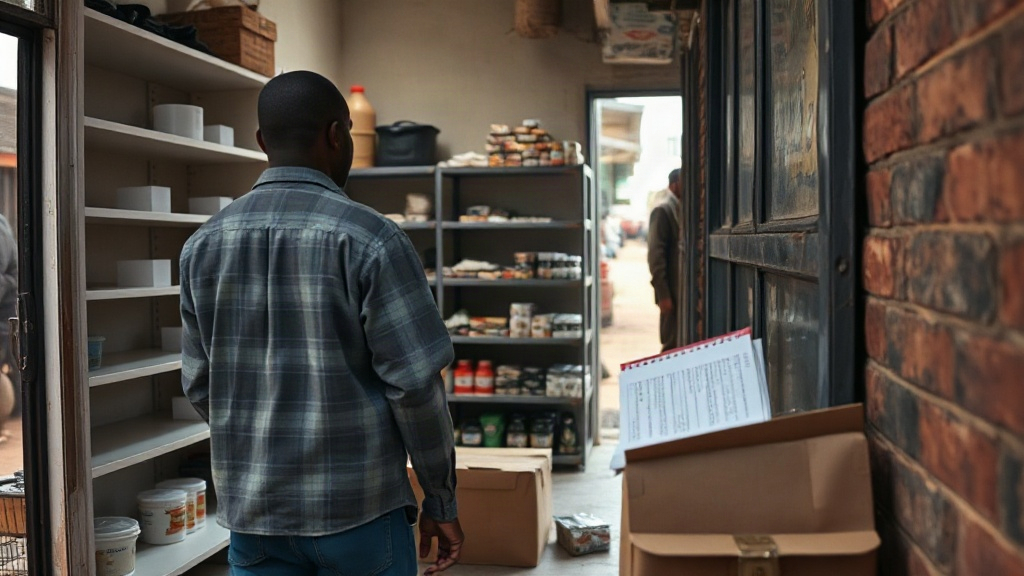
More than R300 million set aside for the Spaza Shop Support Fund has not reached the township traders and cooperatives it was meant to help, and MPs on the Portfolio Committee on Small Business Development want to know why.
The committee raised the failure during its consideration of the Budgetary Review and Recommendations Report, where members questioned both the running of the Spaza Shop Programme and the wider performance of the Department of Small Business Development. As Sunday World reported on 15 October, the committee has demanded explanations for the undisbursed money and warned that the delay is denying support to township businesses during a hard economic stretch.
“Over R300-million is a big deal,” one MP said during the deliberations, arguing that officials should be held accountable when money approved by Parliament does not reach the people it was approved for.
For a spaza owner in a township, that number is not an abstraction. It is stock, refrigeration, a security gate, a trading licence, a lease. The fund was designed to put working capital into micro-enterprises and cooperatives that banks will not touch, and the committee’s complaint is that the money is sitting in the system while the shops it was meant for keep closing.
MPs put much of the blame on the conditions attached to the money. They described the compliance and eligibility requirements as onerous, and several members argued that small businesses and cooperatives are being shut out because they cannot meet banking, registration and compliance demands. Those are exactly the businesses the programme was written to reach, particularly in township and rural areas.
The committee also questioned the use of intermediaries and implementing agents. Members asked why funding is being routed through third parties instead of reaching businesses directly, and demanded greater transparency around the implementation contracts.
That question has a local history. Spaza shops in Gauteng and elsewhere have been at the centre of a long argument about who owns them, who supplies them and who benefits from the support built around them. The committee has now asked for the names, locations and contact details of programme beneficiaries, saying Parliament needs to verify whether the businesses listed as beneficiaries actually received support.
Members went further, arguing that the programme should be judged on jobs created, business growth, revenue and whether enterprises survive, rather than on administrative indicators such as applications processed or training sessions held.
The Spaza Shop Fund debate formed part of wider concerns about the department’s financial management. The committee was told the department achieved 38 of 41 annual targets, an achievement rate of about 93%. MPs argued that those numbers are overshadowed by under-spending and deteriorating fiscal controls.
Committee researchers told MPs the department recorded a budget variance of 10.4%, against its own benchmark of under 5%. The under-expenditure was attributed largely to procurement delays and operational weaknesses affecting business infrastructure support programmes, communications spending and other economic development initiatives.
“The failure to disburse funds in a sector where MSMEs and cooperatives are facing extreme economic conditions is unacceptable,” a committee member said, calling for a detailed turnaround plan and stricter consequence management for the officials responsible.
Staffing is part of the picture. Officials reported 50 vacant positions, a vacancy rate of about 15.8%. Members warned that persistent vacancies and turnover weaken the department’s ability to run programmes and support entrepreneurs.
The committee also flagged what it described as an audit regression, after the department moved from a clean audit outcome to a qualified audit opinion because of shortcomings in financial reporting and internal review processes. Members said management should build corrective action into its systems rather than relying on auditors to find errors. Concern was raised that unspent money may have to be returned to the National Revenue Fund, which would cut the resources available for small business support in future.
MPs also scrutinised the Small Enterprise Development Finance and Agency, now folded into the government’s new agency structure. They acknowledged improvements in some operational indicators and lending activity, but raised rising non-performing loans, weak credit assessments and poor monitoring of funded projects. Data quality and the absence of geolocation information for some projects, members said, hamper Parliament and municipalities from verifying what was actually delivered.
The committee voiced frustration over delays in finalising the Business Licensing Bill, which Parliament has still not received despite recommendations made in previous years. Members warned that the delay postpones reforms meant to improve the operating environment for small businesses.
In a sign that the scrutiny will continue, the committee confirmed that the National Empowerment Fund, which administers part of the programme, will be invited to appear before Parliament to explain spending patterns, beneficiary selection and disbursement delays.
The Enquirer has put questions to the Department of Small Business Development on the undisbursed amount, the compliance requirements and the role of implementing agents, and will report the answers when they come.