Pay the debt or start investing? The answer is both, and 10% to 15% is where to start
A personal finance discussion on eNCA (YouTube) advises South Africans carrying student loans and other debt to split their money rather than wait years for a clean slate.
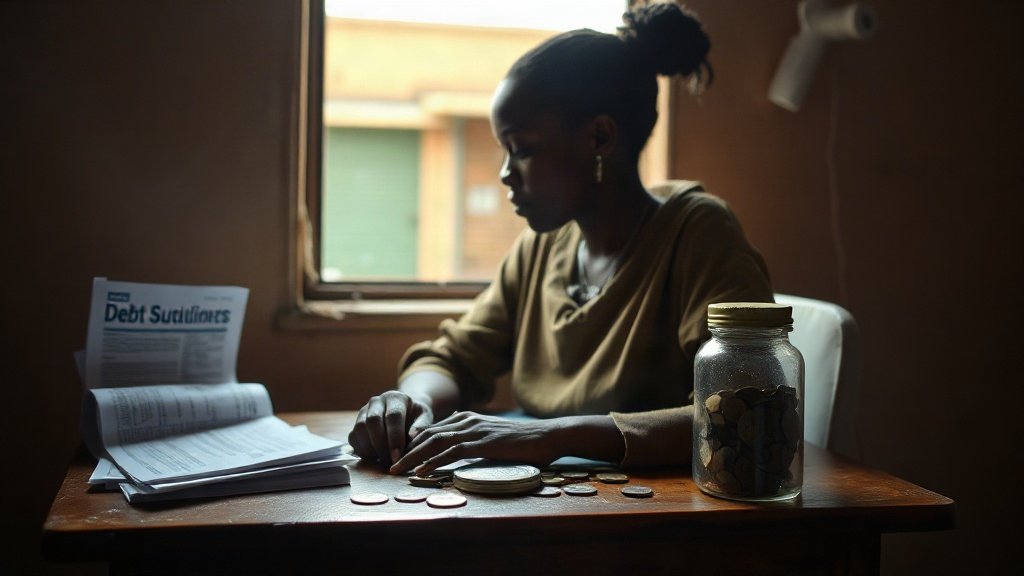
South Africans carrying student loans and other debt are regularly told to clear the balance before they put a cent into investments. The advice given in a personal finance discussion published by eNCA (YouTube) on 11 October 2026 goes the other way, and it is a two-pronged approach rather than a sequence.
The question put to the guest was the one many young people are living with. A person sitting with a student loan may conclude that they cannot pay, cannot invest and cannot save, and that the only sensible route is to attack the debt first, even if that takes two or three years.
The answer was that both should be running at once, on one condition. The debt must not be allowed to spiral out of control. Balance is described as the most important thing.
The broadcast worked through the mechanics with a simple example. On a monthly amount of R1,000, a person could decide to put an additional R200 towards reducing the debt beyond the contractual instalment, and direct the rest elsewhere. The point made was that allocation is difficult and sometimes painful, because it forces a decision between paying the debt and investing.
On the investing side, the guidance was specific. Putting 10% to 15% of whatever comes in every month into investments was described as good, and the discussion continued on that basis.
Nothing in the discussion suggested the debt instalment itself should be skipped. The additional amount sits on top of what the contract already requires, which is what keeps the balance from running away while a portion of the money goes to work elsewhere.
The transcript does not name the guest, does not identify the amounts as anything other than an illustration, and does not set out rates, products or returns. What it offers is a method for people who feel stuck between two obligations and have been treating them as a choice.