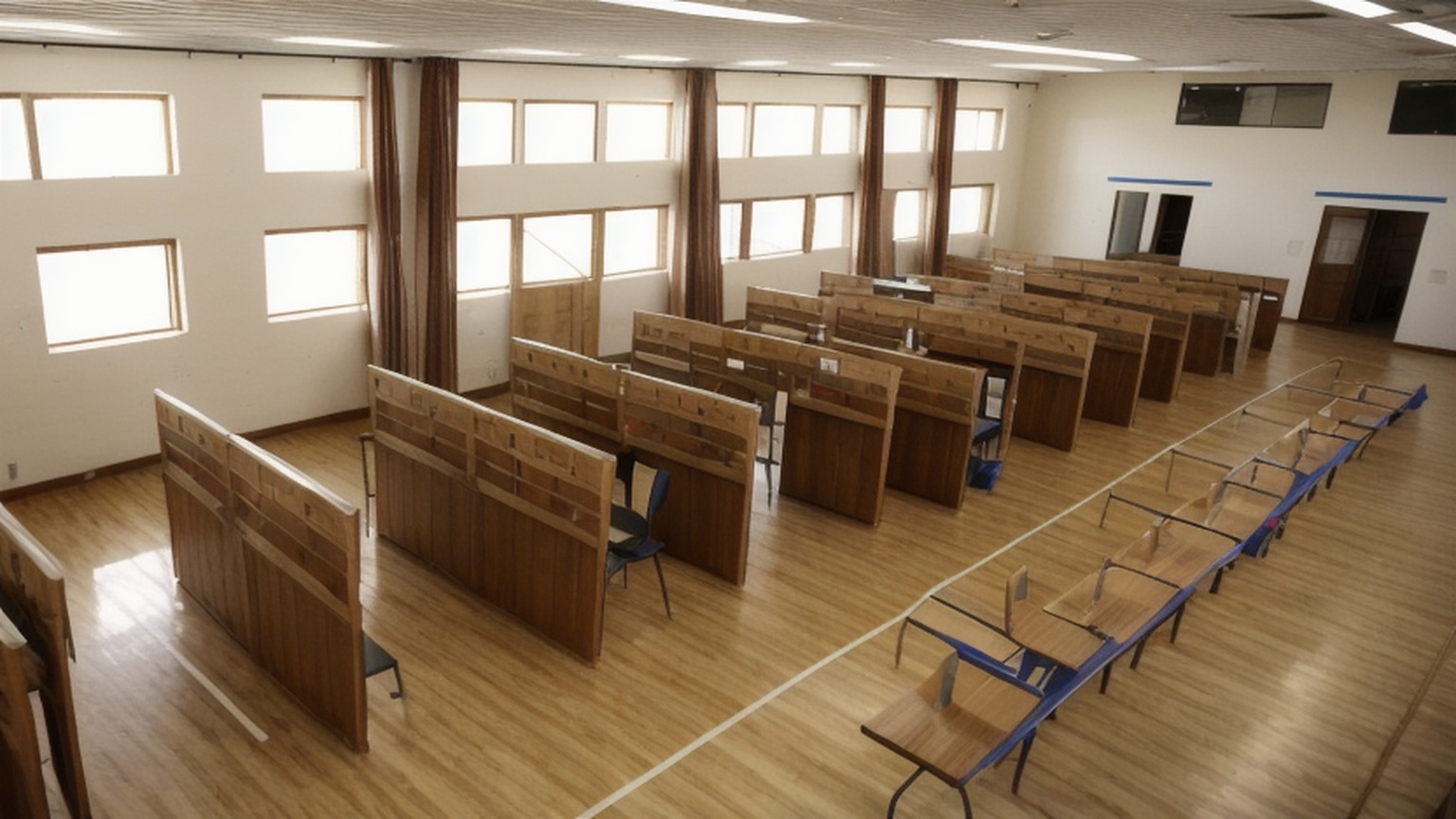
Malema works the Seshego voting station table as the EFF tells South Africans to punish captured municipalities
The party's election-day message put contractors, corrupt officials and politicians at the centre of its case, and promised insourced workers if it wins.
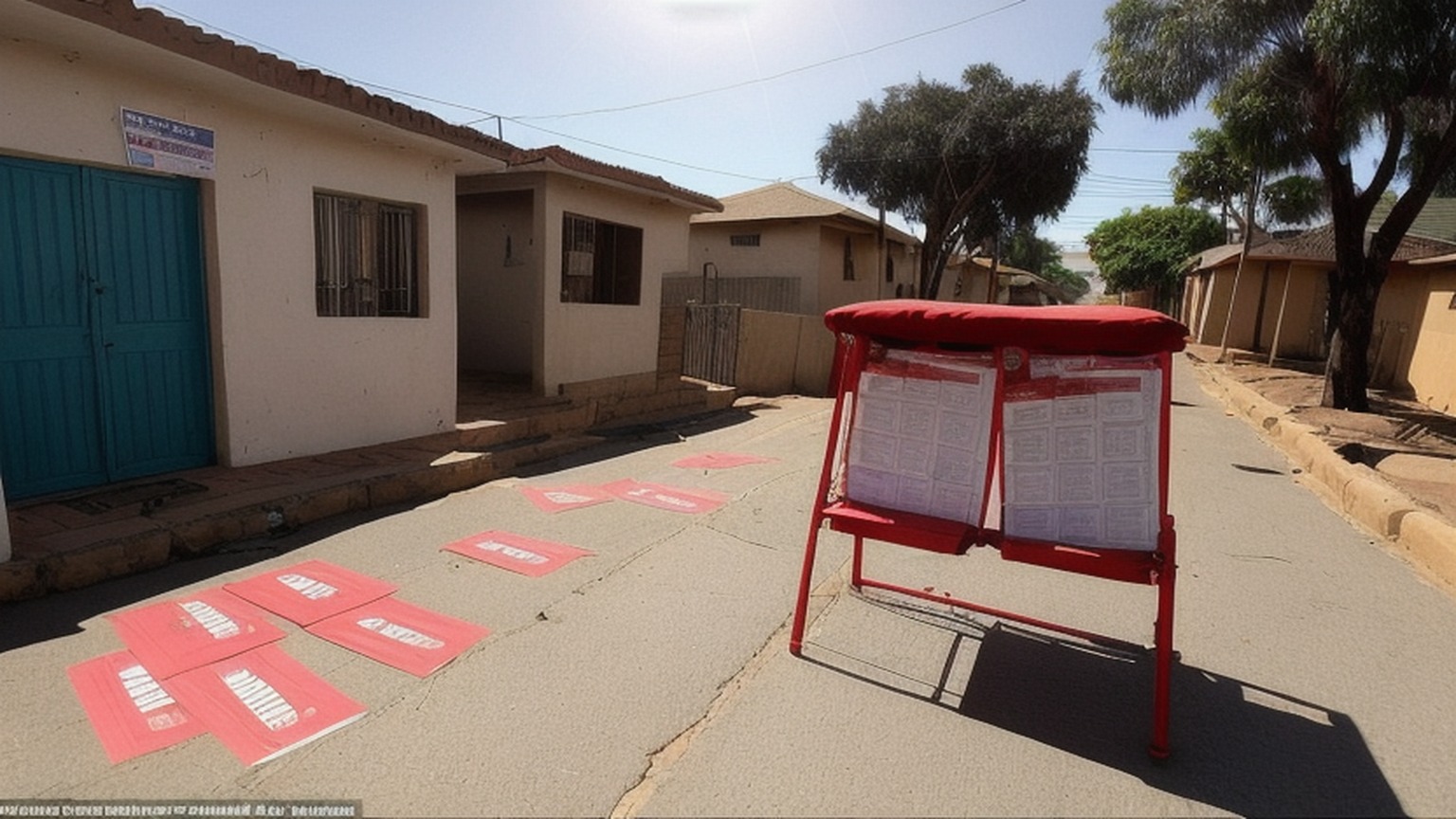
Julius Malema spent election morning at an Economic Freedom Fighters table outside voting stations in Seshego, working the ground with party members and supporters as South Africans cast their votes.
The party announced the visit on its own account on 4 November, saying the EFF president was engaging with Fighters and supporters at the table outside the stations.
From that table the party put its election-day case to voters in the plainest terms it has: cast a ballot for the EFF and the municipalities it says have been captured by service providers, contractors, corrupt officials and politicians will be run differently.
The EFF’s own account of the morning says public finances have been turned into private bank accounts, and that residents are left with broken promises and failing infrastructure. Its answer is accountable governance, an end to corruption, and the immediate insourcing of workers.
That is the party’s claim about how municipal money has been spent, made in its own words to voters on polling day. It is the argument the EFF wants South Africans to carry into the voting booth, and it is the reason it gives for its call to vote EFF.
The party framed the choice as one about who benefits from public money. Its post asked voters to remember, as they cast their ballots, how the municipalities it describes have been run, and it set that against its promise of a government that puts the people first.
Seshego, outside Polokwane in Limpopo, is where the EFF chose to make that argument in person on the day it counts. Malema at a party table outside voting stations is a familiar election-day picture, and the party used it to keep its message on municipal delivery rather than on the campaign’s closing speeches.
The insourcing demand is the concrete promise in the party’s election-day message. Workers employed through contractors, the EFF says, should be brought directly onto municipal payrolls, and it presents that as part of the same argument about who controls public money and who is left with nothing when contracts are awarded.
The party’s post carried its campaign hashtags, including #VoteEFF2026, and closed on its call for a government that puts the people first.
What the EFF has not done in this message is put a figure on what it says was lost, name a municipality, or identify a contractor or official. The claim is made at the level of the country’s municipal system as a whole, and it is the party’s characterisation of that system rather than an audit finding published with the post.
That distinction matters for voters weighing the EFF’s record against its promise. The party is asking to be trusted with municipal governance on the strength of an argument about how the current system fails residents, and it is making that argument at the moment voters are deciding.
The Enquirer has reported the EFF’s election-day message as the party put it, and will keep testing the municipal claims it makes against the public record as the results come in.
- Cape Town's opposition leader in council quits his seat 13 days before the election 2026-10-25
- Army sent to KwaZulu-Natal as asylum ruling unrest builds toward the 4 November vote 2026-10-27
- Ramaphosa sends 510 soldiers to KwaZulu-Natal as anti-immigration protests build before the 4 November vote 2026-10-27
- Police block March and March at Berea station as Moore Road march ends in a wall of officers 2026-10-27
- Ramaphosa sends 510 soldiers into KwaZulu-Natal to stop the violence 2026-10-27
- Police block March and March at Berea as Durban marchers demand action over motorcycle attack 2026-10-27
- Durban and Soweto burn as anti-migrant marches spread, Ramaphosa sends 510 soldiers to KwaZulu-Natal 2026-10-27
- March and March tells Durban crowd: don't vote ANC on November 4 2026-10-27
- How a protest march gets stopped: the interdict, the route and the right to march 2026-10-27
- 21 months of marching, then Jacinta Ngobese-Zuma tells Durban: vote out the ANC 2026-10-27