KwaMhlanga festival fills guest houses as Mpumalanga traders sell art, food and culture
Traders at the Zikhakhazise Ngesikhenu cultural event say the weekend trade could be worth millions to the local economy.
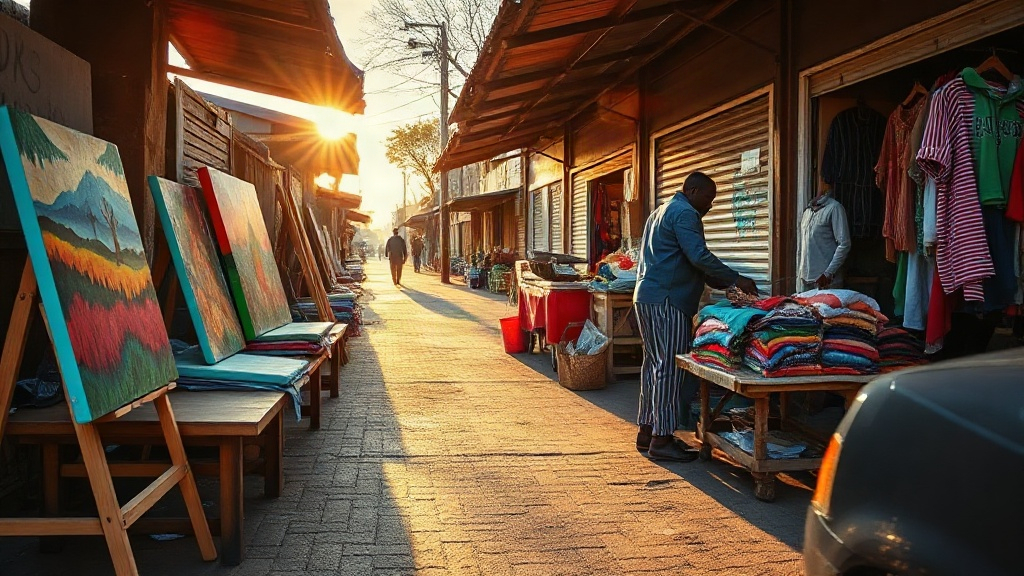
Traders at a cultural festival in KwaMhlanga in Mpumalanga spent Saturday selling art, food and clothing to a crowd that organisers say arrived in numbers from early morning, with visitors expected to stay overnight in local guest houses.
The Zikhakhazise Ngesikhenu cultural event, now in its third edition, was reported on by SABC News, whose reporter Nonhlanhla Ntshingila spoke to stallholders and a cultural activist at the grounds.
One of the stallholders, Tandoangu, who described himself as a cultural activist and was showcasing his work at the event, said the market was busy within hours of opening. He thanked the local municipality and the organisers for putting the event together, and said the programme had begun the day before with a tour of local attractions, including a nature reserve and a dam, so that visitors could see what the area offers.
He said guest houses and lifestyle spots in the area had been part of that tour, and that the aim was to show visitors the places they could stay and return to. The stalls, he said, were selling more than goods. They were selling the area’s culture, its language and its way of life, and he pointed to hand-painted hats and traditional attire as examples of what was on offer. He said visitors were already taking photographs of the clothing on display.
Asked what the weekend could be worth, he estimated that more than R6 million would be left in the local economy once visitors had paid for accommodation, food, hats, t-shirts and other items. That figure is his own estimate and not an audited count.
He also thanked the management of the local radio station and the Thembisile Hani Local Municipality for what he described as their support for the traders and artists taking part.
The reporter said the grounds were filling up as the day went on, with people arriving in different traditional attire and stalls selling a range of goods. She described speaking to a woman who was chopping onions ahead of preparing food for sale, one of several food traders working through the morning.
Music on the programme ranged from hip-hop to maskandi and Zulu songs, according to the broadcast. The reporter noted that most of the people at the event were locals from the KwaMhlanga area, and that they were using the stalls to showcase their own food and language.
She said the local municipality had been invited to speak but had not yet arrived at the time of the broadcast, and that the coverage would continue as the day went on.
For traders in the area, the value of an event like this is not only in a single day’s takings. Festivals that draw overnight visitors put money into accommodation, transport and food at the same time, and they give small producers a market they would not otherwise reach. The estimate of R6 million, if it holds, would represent a significant injection into a local economy that depends heavily on small traders and informal businesses.
What the weekend does not yet have is an official figure. Neither the municipality nor the organisers have released a count of visitors, stallholders or spending, and the estimate given on the day remains a trader’s projection rather than a measured outcome.
The Enquirer will follow up with the Thembisile Hani Local Municipality and the event organisers for the official numbers and for what the festival’s third edition means for next year’s plans.
Source: SABC News, Zikhakhazise Ngesikhenu cultural event in KwaMhlanga, Mpumalanga: Nonhlanhla Ntshingila updates