JSE jumps 5% as US midterm results land, but the rally is not a recovery
Mining shares rode a weaker dollar and firmer dollar-denominated commodity prices while South African households saw no change in living costs, and trade access under AGOA remains the open question.
The Johannesburg Stock Exchange rose 5% as investors responded to the US midterm elections, a move that lifted the value of shares traded in Sandton without changing the cost of bread, transport or electricity for anyone outside the market.
As eNCA reported on 5 November, the gain came as attention shifted to what the American results might mean for US economic and foreign policy, with oil prices, the dollar and precious metals moving in the same conversation. That is the plain account of what happened. What follows is what sits underneath it for a South African reader.
The first thing to understand is that a rally of this kind is a statement about expectations, and expectations are not outcomes. Investors do not price what a company earned last quarter. They price what it might earn next year, and a shift in the political balance in Washington changes what they think about taxation, trade, regulation and stability. That repricing can happen long before any law, tariff or agreement actually changes, and it can reverse just as quickly once negotiations turn out to be harder than the market assumed.
The second thing is why South Africa in particular catches these waves. Gold and platinum are priced in US dollars on international markets. When the dollar weakens, buyers holding other currencies find those metals cheaper, which can support demand and prices. For South African mining companies, that can lift expected revenue. It does not decide how much of the benefit reaches the financial results, because exchange rates, production costs and operational conditions all take their cut first.
That is why mining shares can climb sharply on a day when domestic conditions look as difficult as they did the day before. The companies on the JSE are not a proxy for the South African economy. Many of them earn most of their value from customers, currencies and commodity prices outside the country.
The gap between a share price and a payslip is the part that matters most to readers. A higher market valuation is not a wage increase and not a hiring plan. Whether a rally turns into jobs, investment or infrastructure spending depends on whether companies decide the improved conditions justify expanding production, and on whether the domestic environment makes that expansion worth the money.
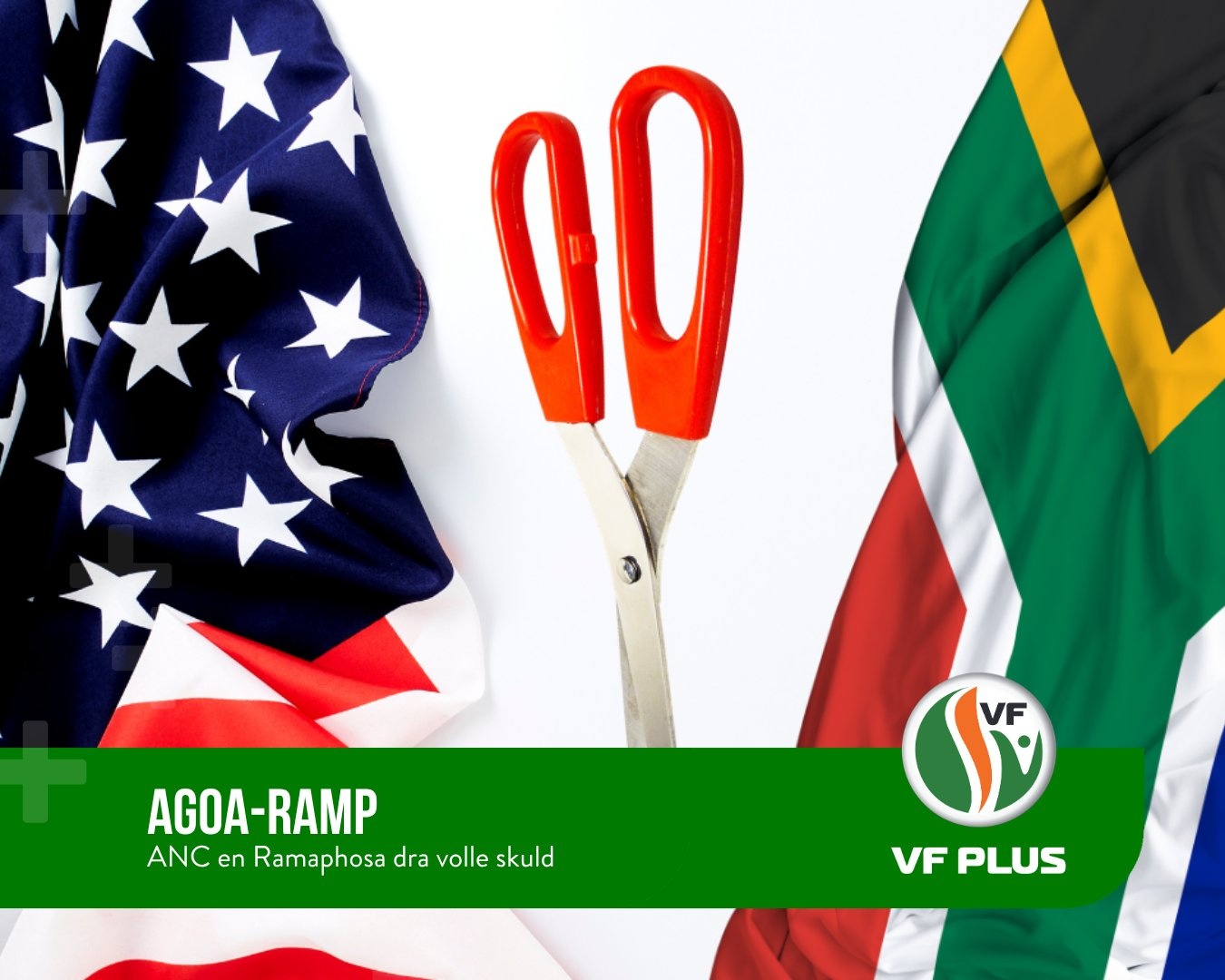
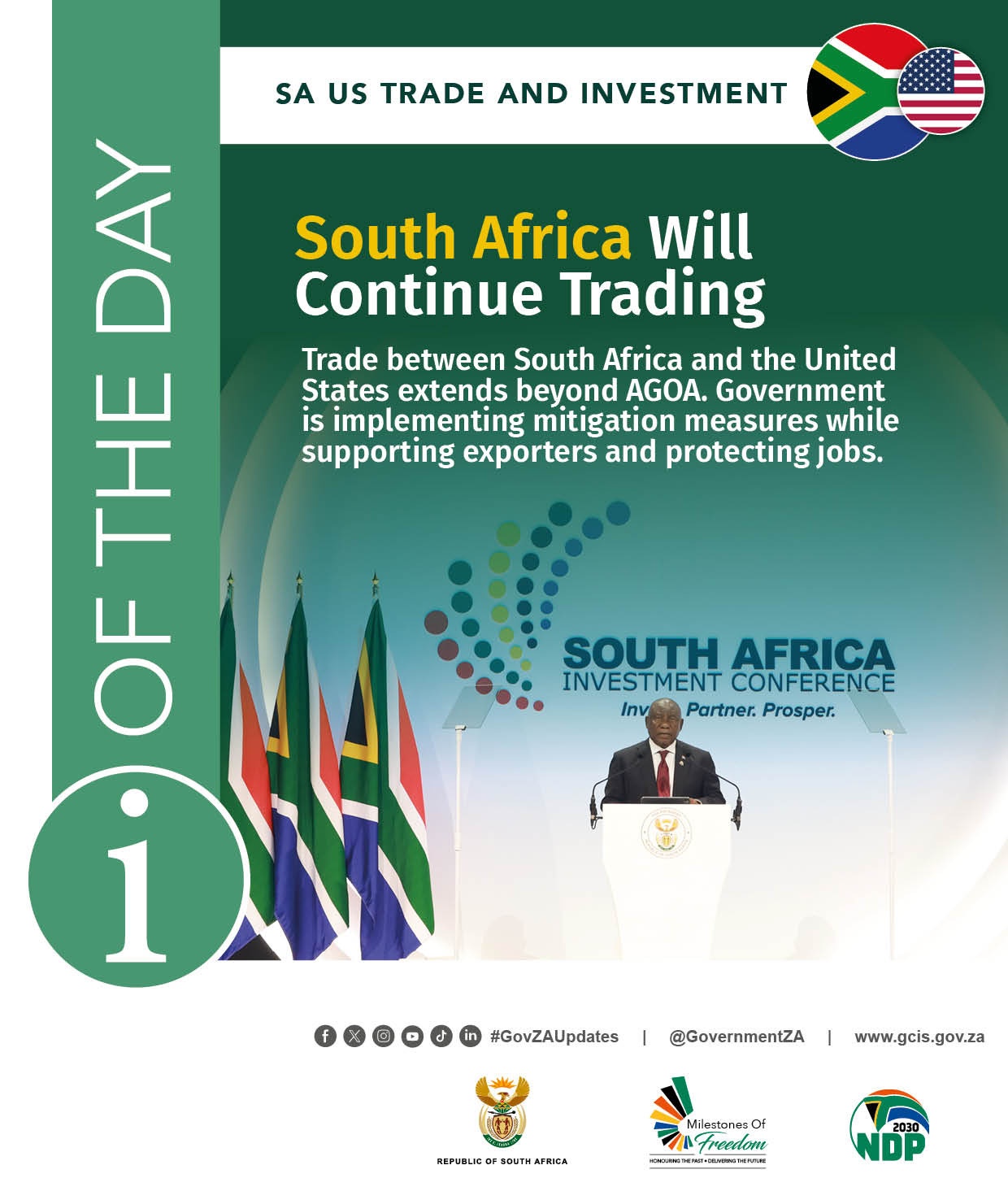
Trade is the other lever running through this story. South Africa’s commercial relationship with the United States matters to manufacturers, farmers and other exporters, and the African Growth and Opportunity Act, AGOA, is the framework that shapes much of that access. AGOA’s terms affect pricing, investment, production and employment decisions that businesses have to make long before the policy environment is settled. A change in the American political balance may shift expectations about future trade policy. It does not by itself deliver a favourable outcome, because preferential access depends on legislation, eligibility requirements and diplomatic relationships that no election result settles on its own.
The practical lesson is that South Africa cannot vote in American elections and cannot set the dollar or the commodity cycle. What it can control is whether its own foundations allow the economy to capture the upside when global conditions turn helpful. Reliable infrastructure, logistics that move goods on time, regulatory certainty and institutions that hold their ground are what let exporters compete whatever Washington does.
The 5% figure is real and it is worth reporting. Whether it becomes anything more than a good trading day is a question the market cannot answer and the trading floor cannot settle. That answer will be found in investment decisions, in production and in whether the sentiment survives the next round of political negotiation.
- Cape Town's opposition leader in council quits his seat 13 days before the election 2026-10-25
- Army sent to KwaZulu-Natal as asylum ruling unrest builds toward the 4 November vote 2026-10-27
- Ramaphosa sends 510 soldiers to KwaZulu-Natal as anti-immigration protests build before the 4 November vote 2026-10-27
- Police block March and March at Berea station as Moore Road march ends in a wall of officers 2026-10-27
- Ramaphosa sends 510 soldiers into KwaZulu-Natal to stop the violence 2026-10-27
- Police block March and March at Berea as Durban marchers demand action over motorcycle attack 2026-10-27
- Durban and Soweto burn as anti-migrant marches spread, Ramaphosa sends 510 soldiers to KwaZulu-Natal 2026-10-27
- March and March tells Durban crowd: don't vote ANC on November 4 2026-10-27
- How a protest march gets stopped: the interdict, the route and the right to march 2026-10-27
- 21 months of marching, then Jacinta Ngobese-Zuma tells Durban: vote out the ANC 2026-10-27