India's food bills stay high as farmers run short of water
Staples such as grain, poultry and dairy are expected to keep climbing in price, with water shortages making the work harder for the farmers who produce them.
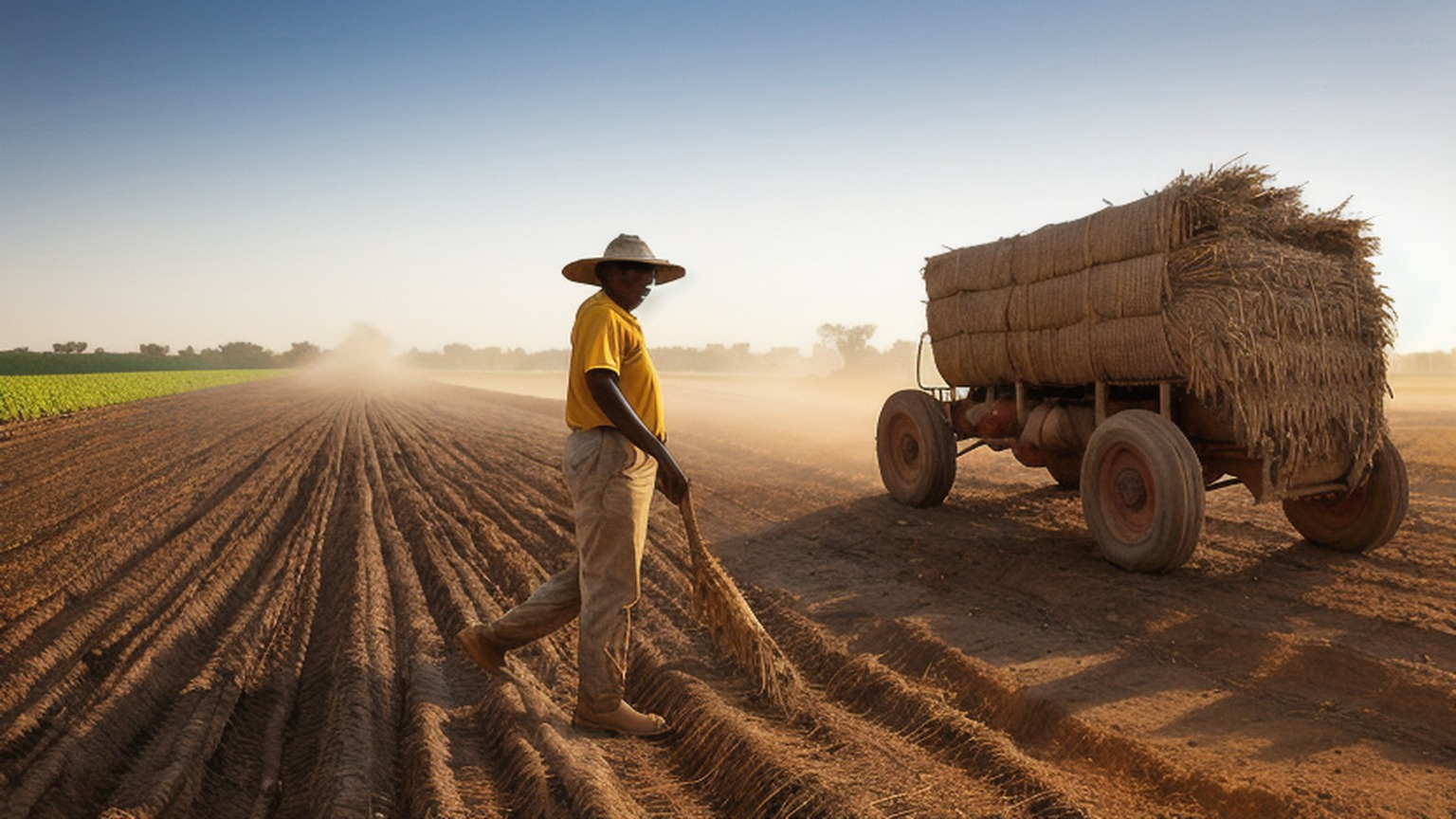
Food inflation in India is set to run longer than usual, with the cost of staple goods such as grain, poultry and dairy climbing, and water shortages making life harder for the farmers who produce them.
That is the picture carried in reporting by TimesLIVE, which sets out how the pressure on food prices is spread across a range of everyday staples rather than confined to one item on the shelf. Grain, chicken and milk all feature in the account, which points to a broad squeeze rather than a single bad harvest.
The mechanism the reporting describes is straightforward. Farmers are working against water shortages, and water is the input that decides how much of a crop comes off the land and how reliably livestock and dairy production can be sustained. When the water is short, the output that reaches the market is smaller or more expensive to produce, and the cost travels down the chain to the person buying food.
For Indian households the consequence is a food bill that stays high for longer than usual. Staples matter more than almost any other line in a household budget because they are bought every week and cannot easily be substituted. A sustained rise in the price of grain, poultry and dairy is felt first by poorer families, who spend a larger share of their income on basic food.
There is a South African reason to pay attention. South Africa imports a range of food products and agricultural inputs, and global food prices feed into what local shoppers pay. When a large producer such as India faces prolonged food inflation, the effect is not confined to India’s borders. It adds to the wider pressure on global food prices that South African consumers and policymakers already track.
South Africa’s own farmers are not immune to the same underlying risk. Water security is a live question on this side of the Indian Ocean too, and the lesson in the Indian reporting is that a shortage of water does not stay a farming problem. It becomes a food price problem, and then a household budget problem.
The reporting does not put a figure on how high prices will go or how long the period will last. It describes a prolonged squeeze rather than a forecast, and readers should treat it that way. What it does establish is the direction of travel and the reason being given for it.
What happens next will depend on water. If the shortages ease, the pressure on the price of staples should ease with them. If they persist, Indian households can expect to keep paying more for the basics, and the effects will continue to be felt in food markets well beyond India.
The Enquirer will keep tracking global food price pressure and what it means for South African shoppers and farmers.
Source: TimesLIVE, India faces prolonged food inflation