G7 releases 100 million barrels of oil but SA fuel prices still head for record highs on Wednesday
The International Energy Agency says 4.3 million barrels a day were still being taken off the market in August, which is why the extra supply has barely moved the price.
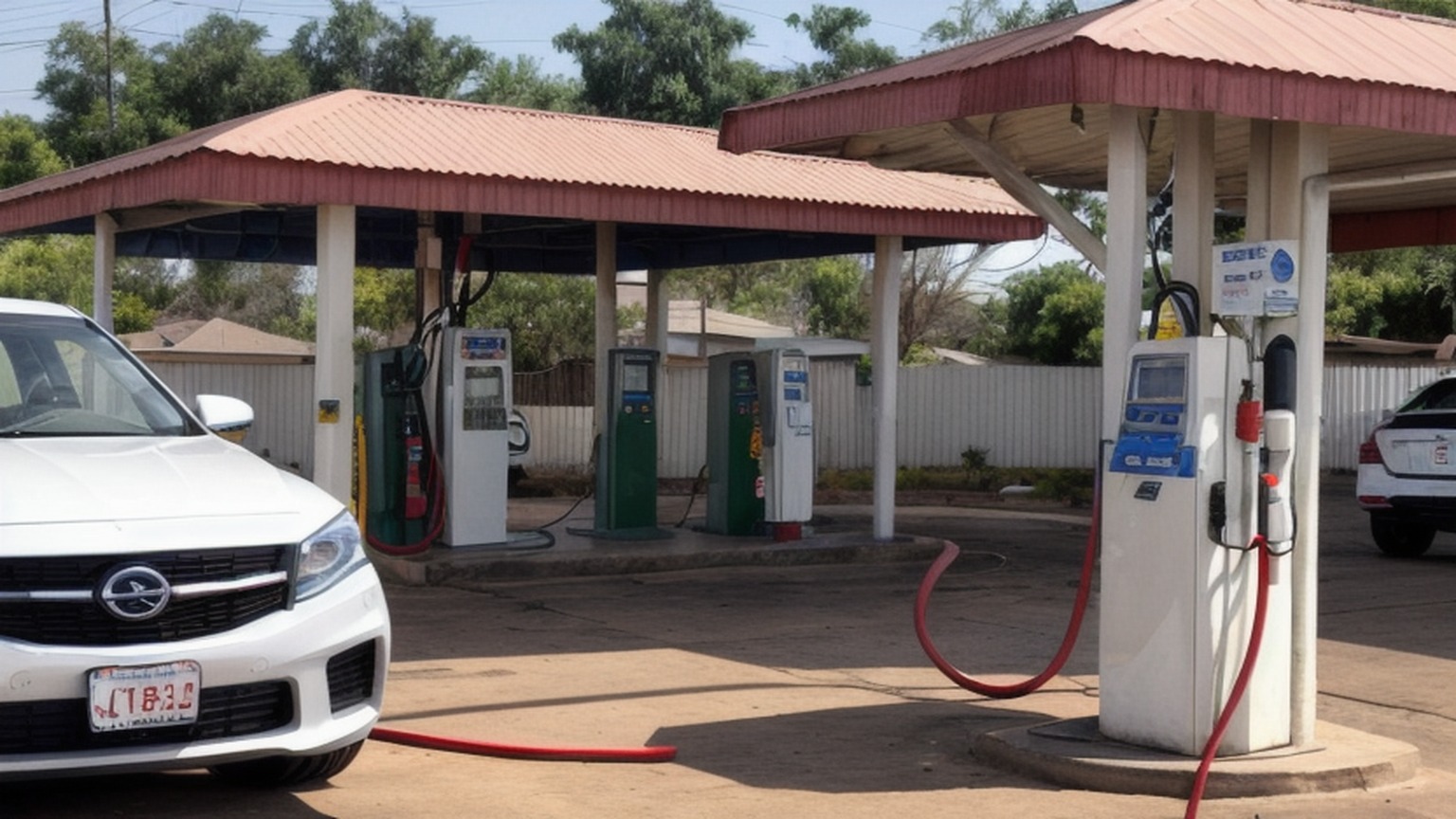
South African motorists should brace for record petrol and diesel prices on Wednesday, even after the Group of Seven nations agreed on Friday to release 100 million barrels of oil into the global market.
The release was meant to cool prices that have climbed to records around the world. According to eNCA’s Number of the Day, it has not worked. Brent crude dipped below $100 a barrel during the past month but has since moved back up to around $102, leaving prices only marginally changed.
The reason is arithmetic. The International Energy Agency said in August that 4.3 million barrels a day were being taken off the market. Over seven months of war, that works out to roughly 840 million barrels withdrawn, against the 100 million barrels now being added back. In March, IEA member countries had already agreed to release 400 million barrels.
Global oil inventories stood at 7.8 billion barrels in August, according to the IEA. Much of that oil is in pipelines or stuck in places where it cannot easily be moved. The problem is not the volume of oil in the ground or in storage. It is getting it to where it is needed.
Diesel has been hit hardest because it is often the refined end product that runs short, not only the raw crude. The United States had threatened to stop its diesel exports if other countries did not act, prompting the G7 to agree on a coordinated release rather than disrupt the market further.
The war continues to unsettle supply routes. The Strait of Hormuz was the main concern, and a Saudi pipeline became another. The head of Saudi Aramco has said supply is tight, but that more oil is now flowing through the Strait of Hormuz.
For South African consumers, the timing is painful. Wednesday’s fuel price is calculated on the previous month’s data. The rand weakened during September, which raises the cost of imported oil, and the global oil price has stayed at around $100 or higher. Before the war, oil traded at $70 a barrel or below. The current price is still far above that level.
The broadcast’s assessment is blunt: the 100 million barrels have made little difference to the global price of Brent crude. The pain at the pump is acute and immediate. If the oil price holds at current levels, it may level off to some extent, but the prediction is for ongoing pressure into next year.
Source: eNCA (YouTube), Number of the Day | 100 million | 5 October 2026