Freedom Front Plus tells South Africa: vote today, the landscape changes tomorrow
The party's election-day message on X urges voters to treat casting a ballot as the small act that shifts the country's politics, with stations open from 07:00 to 21:00.
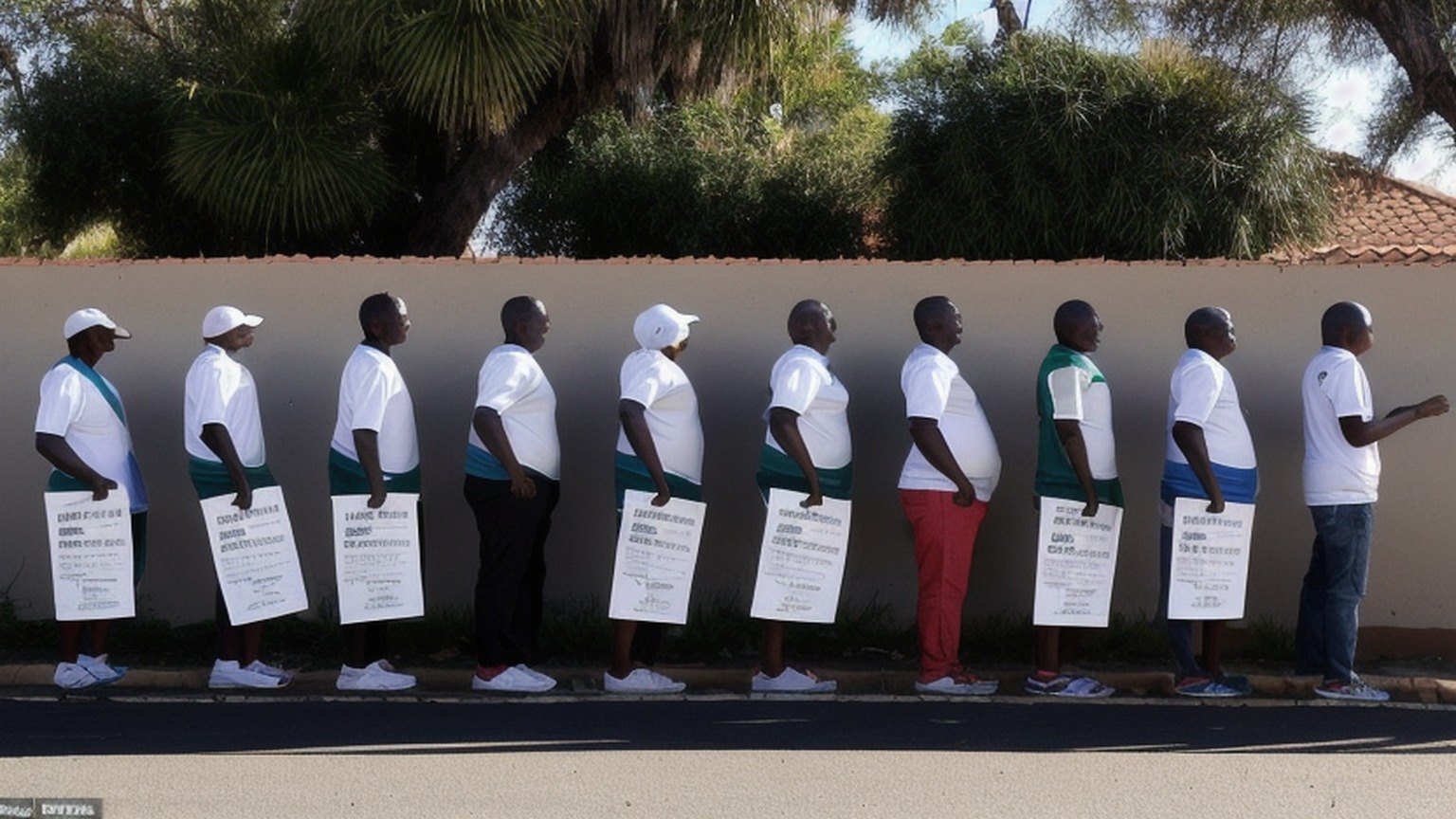
Freedom Front Plus spent election morning urging South Africans to vote, telling its followers on X that the small act of casting a ballot is what changes the country’s political landscape.
The party’s official account posted the message on Wednesday 4 November 2026, the day voting stations are open from 07:00 to 21:00. The post carried the line “DIS NOU JOU TYD SUID-AFRIKA!” and its English rendering, “NOW IS YOUR TIME SOUTH AFRICA!”, before making the case in both languages.
“Dit is die klein dade, soos om te gaan stem, wat ons vandag moeg maak, maar wat môre ons politieke landskap verander,” the party wrote, and in English: “It is the small acts, such as casting your vote, that may leave us tired today but will change our political landscape tomorrow.”
The closing line was a plain appeal to immediacy. “‘n Beter toekoms begin nie eendag nie. Dit begin vandag,” the post read, translated as “A better future does not begin someday. It begins today.” The party ended with the practical detail that voting stations are open from 07:00 to 21:00.
The message is a turnout appeal rather than a policy statement. It does not name a rival party, a coalition preference or a specific demand beyond getting voters to the polls, and it carries no claim about the expected result.
Freedom Front Plus has contested elections since its formation in 1994, drawing its support largely from Afrikaans-speaking and other minority voters, and has held seats in the National Assembly and in several provincial legislatures. The party’s public platform has centred on minority rights, language and cultural protections, property rights and opposition to race-based policy, and it has campaigned on federalist arrangements that would devolve more power from the centre.
On election day its message stayed on the ground it has often occupied, addressing voters directly in Afrikaans and English and treating the ballot as the instrument at hand. Whether that appeal moves anyone is the question the count will answer.