Former police general arrested over SAPS-issued ammunition as Mfazi murder probe widens
A 56-year-old who left the service in 2009 was held after a search of his Centurion home, with investigators seizing documents and devices in the investigation into Lieutenant General Sindile Mfazi's murder.
A 56-year-old former police general has been arrested on a charge of unlawful possession of ammunition after a search of his Centurion home, in an operation tied to the investigation into the murder of Lieutenant General Sindile Mfazi.
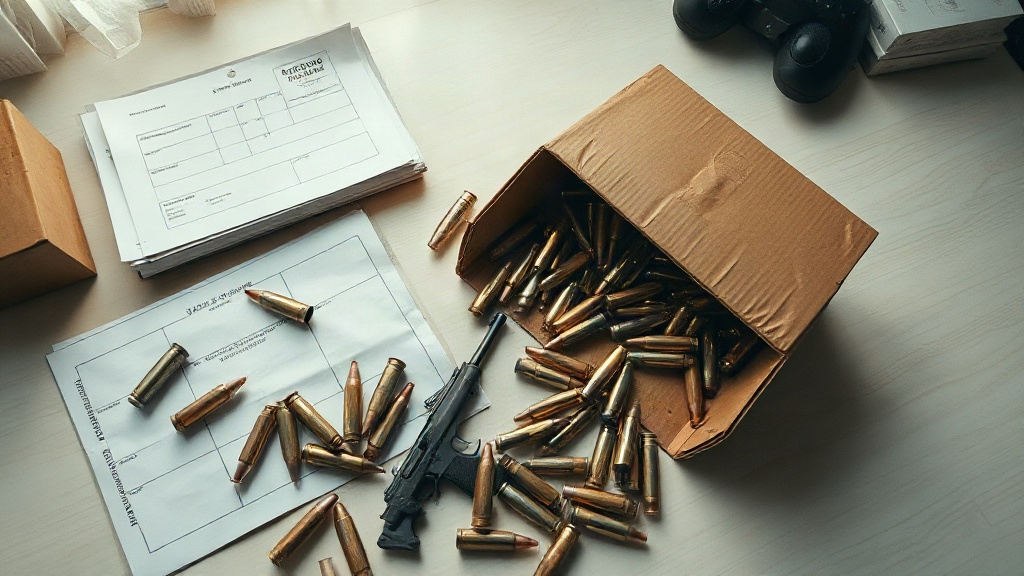
More than 100 rounds of South African Police Service-issued ammunition were allegedly found at the property, including R5 rifle rounds and 9mm rounds, according to eNCA, which reported the arrest on 20 October 2026. The Enquirer has not independently verified the quantity or type of ammunition.
The search and seizure was carried out at the Centurion home on 6 July 2026 by the SAPS National Cold Case Unit. Investigators also seized documents and electronic devices they believe are relevant to the Mfazi murder investigation.
The former general left the police service in 2009. Authorities say there is no valid reason for him to hold SAPS-issued ammunition more than a decade and a half after leaving the service.
He faces a charge under the Firearms Control Act 60 of 2000 and is expected to appear in the Johannesburg Magistrate’s Court on Tuesday. Investigations continue.
The arrest puts a second former senior officer inside the orbit of the Mfazi case, and it turns on a question South African readers will recognise from their own streets: how SAPS ammunition leaves police stores and where it ends up. R5 rounds are the standard ammunition for the police service rifle, and 9mm rounds are used in service pistols. Ammunition carrying SAPS markings is state property, and the Firearms Control Act sets out when a person may lawfully hold it.
The National Cold Case Unit’s involvement signals that investigators are treating the ammunition as part of the Mfazi murder file rather than as a standalone firearms matter. The documents and devices taken from the Centurion home are the material the unit will now work through.
What the arrest does not yet establish is how the ammunition came to be at the property, whether the former general is alleged to have any role in Mfazi’s death, or what the devices and documents are said to show. The charge on the court roll is unlawful possession of ammunition, not murder. The State will have to put its case on the ammunition charge when he appears on Tuesday.
For a reader following the Mfazi investigation, the appearance in the Johannesburg Magistrate’s Court is the next dated step, and the first public test of what the Cold Case Unit believes it has.