Eastern Cape farmer convicted of trafficking and raping six young women recruited through job adverts
Louis Stephanus Lategan was found guilty on 19 charges after a trial that ran more than 18 months, with sentencing set to begin on Monday.
A 42-year-old Eastern Cape farmer has been convicted on 19 charges, including six counts of trafficking in persons and five counts of rape, after a trial in the High Court in Makhanda that ran for more than 18 months.
The court found Louis Stephanus Lategan guilty on Wednesday, 16 September. The National Prosecuting Authority says the case will move to sentencing on Monday, 21 September.
As CapeTown ETC reported on 17 September, the convictions follow a prosecution case built on the evidence of 24 witnesses, led by Deputy Director of Public Prosecutions Nickie Turner.
How the women were recruited
Lategan lived alone on his farm in 2020 after separating from his wife. He advertised on Facebook for an au pair to work on the farm and care for his minor children when they visited, and later used an employment agency to recruit workers.
Prosecutors argued the employment offers were being used to bring young women onto the isolated property for sexual exploitation. Between 2020 and 2023, women aged between 18 and 21 responded to the offers.
They travelled from Bloemfontein, Emalahleni, Standerton and Amanzimtoti, with promised payments ranging from R5 000 to R30 000. For young people searching for work, those numbers are not small. An entry-level farm or au pair wage can mean the difference between staying at home and being able to send money back.
That is what the adverts traded on. In a labour market where unemployment among young people is the country’s most stubborn problem, a job offer that comes with accommodation and a place to stay is a powerful thing, and it travels easily on Facebook and WhatsApp into provinces far from the Eastern Cape.
What the court heard
NPA spokesperson Luxolo Tiyali said evidence during the trial showed Lategan made complainants consume alcohol or drinks allegedly containing drugs. The women became extremely drowsy and, on the evidence, some later woke up naked with pain in their genital areas.
The prosecution also presented evidence of physical abuse involving workers on the farm. Some were allegedly beaten with a broomstick or sjambok, kicked and pushed into water. The court considered multiple assault allegations involving both adult workers and children.
Lategan pleaded not guilty and called four witnesses in his defence before giving evidence himself.
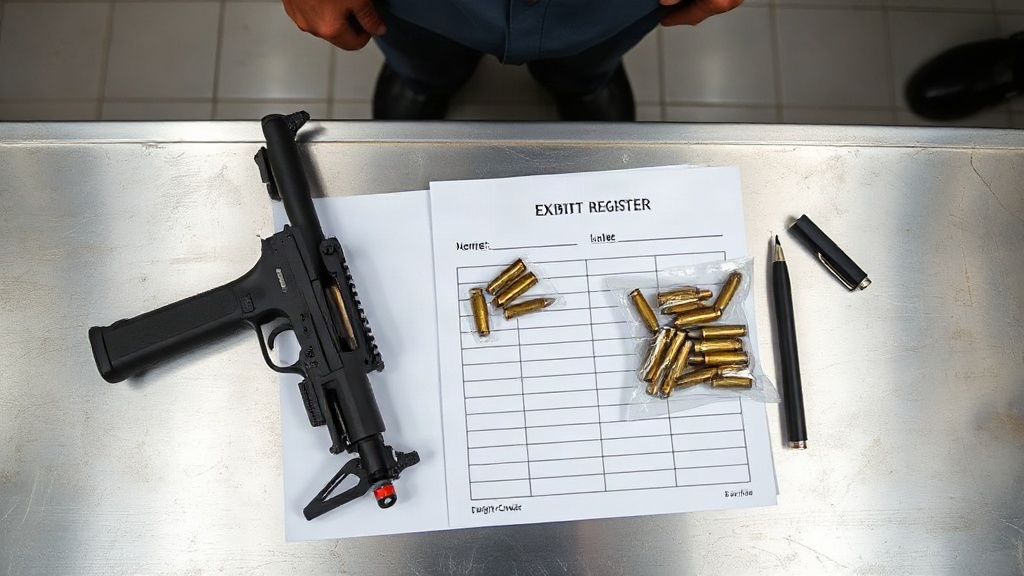
The convictions are six counts of trafficking in persons, five counts of rape, two counts of assault as competent verdicts on two rape charges, three counts of assault with intent to cause grievous bodily harm to children, two counts of common assault involving adult workers, one count of assaulting a child, and two counts of unlawful possession of more than 200 rounds of ammunition.
He was acquitted on one rape charge after the child complainant in that matter did not testify.
Why the case matters beyond this farm
The conviction is one of a small number of trafficking in persons prosecutions to reach a verdict in South Africa, and it is a reminder of how the crime actually works here. It rarely looks like a border crossing. It looks like a job advert, a bus ticket and a remote property where the person who answered the advert has no transport, no local network and no way to leave.
That is why the Prevention and Combating of Trafficking in Persons Act, which came into force in 2015, treats recruitment by deception as part of the offence and not as a preliminary to it. The Act carries a maximum penalty of life imprisonment for trafficking, and the Criminal Law (Sexual Offences and Related Matters) Amendment Act provides for life imprisonment for rape in the circumstances the court has now convicted on.
Sentencing on Monday will be the first indication of what the courts will do with a matter of this scale. The NPA has framed the conviction as part of its wider work on gender-based violence and femicide, and it has secured other convictions in the same area this year, including the case of a Paarl couple jailed for 16 life terms after exploiting vulnerable teenage girls.
For the families of the women who came forward, the trial has already cost years. For the 24 witnesses who testified, the sentencing phase is the last step in a process that began with adverts placed in 2020.
The High Court in Makhanda sits again on Monday, 21 September, when sentencing proceedings are expected to begin.
Source: CapeTown ETC, EC farmer convicted after young women were lured to remote farm with job offers
- ConCourt orders Cholota to stand trial, refuses NPA appeal in Schultz 2026-09-13
- Eastern Cape farmer convicted on six counts of trafficking young women 2026-09-17
- Free State court finds Eskom liable for Koffiefontein farm cable burns 2026-09-19
- Two brothers, 9 and 11, missing from Wepener since Thursday as police widen search to taxi routes 2026-09-19
- Free State court jails Mpho Moloi for life over 2022 farmland killing 2026-09-21
- Free State hosts MSME indaba in Bloemfontein on 22 September 2026-09-21
- Bloemfontein court jails Mpho Moloi for life for Rocklands murder plot 2026-09-21
- SAPS to farewell Free State sergeant killed in N8 convoy crash 2026-09-22