Durban's scrapyard owners count the cost as arson and looting hit the CBD
Vehicles were torched, buildings set alight and businesses looted during protests against undocumented immigration, with KwaZulu-Natal Premier Thami Ntuli requesting SANDF deployment.
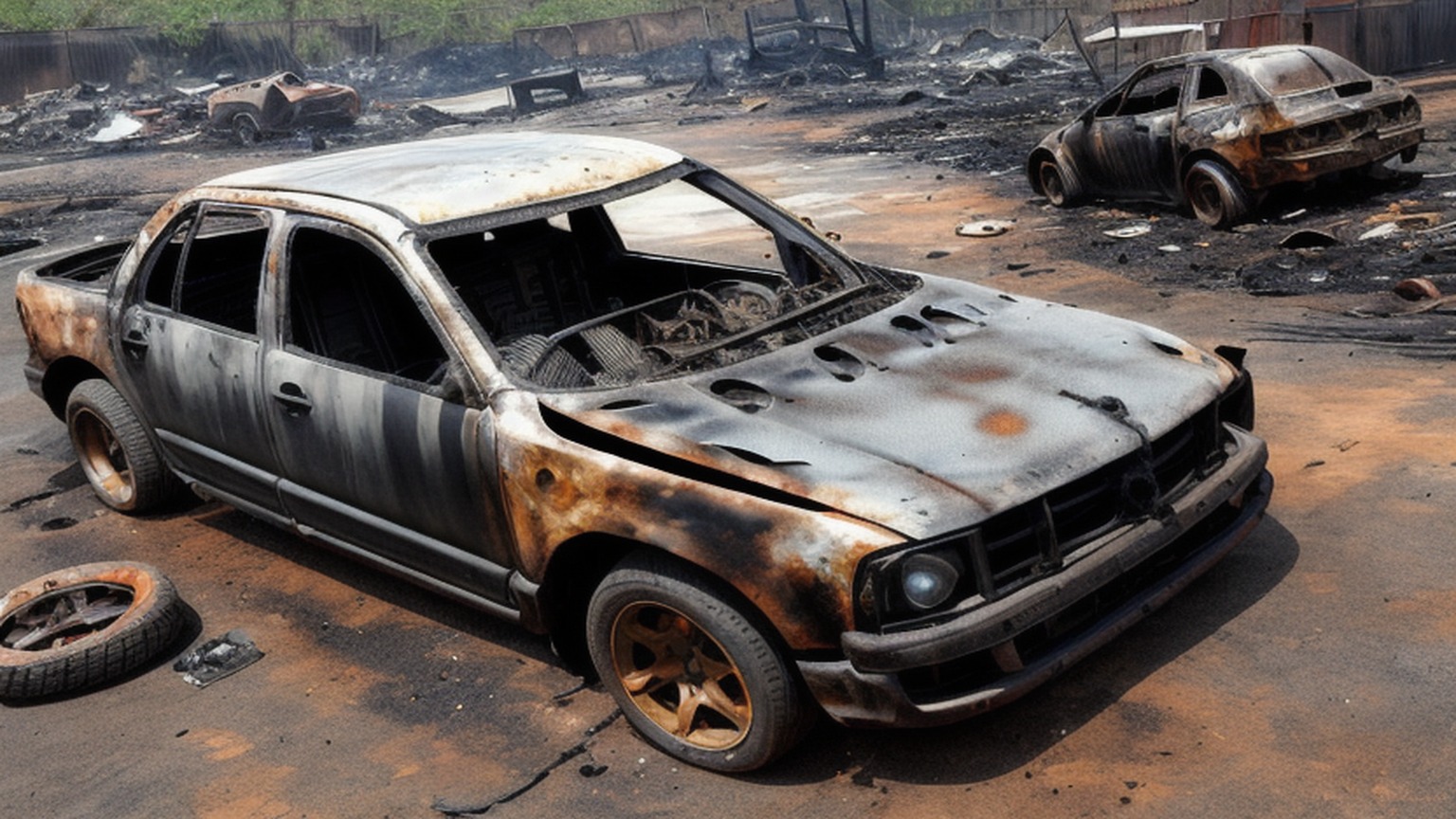
Vehicles were torched, buildings set alight and businesses looted in Durban’s central business district during protests against undocumented immigration, with KwaZulu-Natal Premier Thami Ntuli requesting the deployment of the South African National Defence Force to help restore order.
SABC News reported on the unrest on 10 October 2026, crossing to its reporter Nonhlakanipho Magwaza in Durban. Police remain on high alert following reports of planned marches.
The unrest follows tensions surrounding asylum applications after a Constitutional Court ruling opened access to the asylum process. The ruling is the legal trigger, not the cause of the violence. The people who pay the price are the ones whose vehicles, buildings and stock were destroyed.
A scrapyard owner in the CBD described to SABC News how the arson attack unfolded, one of several businesses hit during the protests. The cost is not abstract. A torched vehicle is a lost tool of trade. A looted shop is stock that will not be replaced before the next rent cycle. A burned building is a workplace that will not reopen this week.
Durban’s CBD is the commercial spine of eThekwini, hosting thousands of small traders, spaza owners, mechanics, scrapyard operators and informal sellers who depend on daily foot traffic. When vehicles burn and shops close, the loss lands on the people who work there, not on the institutions debating immigration policy.
Premier Ntuli’s request for SANDF deployment is a formal step. It signals that provincial authorities judge the situation beyond the capacity of the South African Police Service alone to contain. Police have not said how many arrests, if any, have been made, or how many cases have been opened. Those numbers matter because they determine whether the people who torched vehicles and looted shops face consequences under the law.
Arson is a crime under the common law. Public violence is a crime. Looting is theft. No group, movement or individual may enforce immigration law in South Africa. That authority belongs to the state, and a crowd does not acquire it by marching.
The Constitutional Court ruling that opened access to the asylum process is a legal development, not a licence for anyone to take the law into their own hands. South Africans who are frustrated with the pace of immigration enforcement have a right to protest. They do not have a right to burn a scrapyard.
The people who will feel this longest are not the ones making speeches. They are the mechanic whose bay is now ash, the shopkeeper whose shelves were stripped, the commuter whose taxi route runs through a street that is no longer safe to walk. Those are the costs that do not appear in a press statement.
SABC News reported the unrest and the premier’s request for SANDF deployment. What a South African reader adds is the knowledge that Durban’s CBD has absorbed shocks before and that its recovery depends on how quickly policing returns to normal and how quickly the people who did this are held to account.
The police remain on high alert. The premier has asked for the army. The traders are counting what is left.
Source: SABC News, Resident recounts scrapyard arson attack amid immigration crisis, 10 October 2026.